
Research ArticleMetabolismNeuroscience
Open Access |  10.1172/jci.insight.201466
Metabolic reprogramming is critical to microglial activation in Huntington’s disease
Abhishek Jauhari,1 Adam C. Monek,1 Olena S. Abakumova,1 Tanisha Singh,1 Sukhman Singh,1 Xiaomin Wang,1 Carley S. Clise,1 Diane L. Carlisle,1 and Robert M. Friedlander2
1Neuroapoptosis Laboratory, Department of Neurological Surgery, University of Pittsburgh, School of Medicine, Pittsburgh, Pennsylvania, USA.
2Helexva Inc., Pittsburgh, Pennsylvania, USA.
Address correspondence to: Robert M. Friedlander, Helexva Inc., 112 Woodland Road, Pittsburgh, Pennsylvania 15232, USA. Phone: 412.973.9398; Email: robert.friedlander@helexva.com.
Find articles by
Jauhari, A.
in:
PubMed
|
Google Scholar
|

1Neuroapoptosis Laboratory, Department of Neurological Surgery, University of Pittsburgh, School of Medicine, Pittsburgh, Pennsylvania, USA.
2Helexva Inc., Pittsburgh, Pennsylvania, USA.
Address correspondence to: Robert M. Friedlander, Helexva Inc., 112 Woodland Road, Pittsburgh, Pennsylvania 15232, USA. Phone: 412.973.9398; Email: robert.friedlander@helexva.com.
Find articles by Monek, A. in: PubMed | Google Scholar
1Neuroapoptosis Laboratory, Department of Neurological Surgery, University of Pittsburgh, School of Medicine, Pittsburgh, Pennsylvania, USA.
2Helexva Inc., Pittsburgh, Pennsylvania, USA.
Address correspondence to: Robert M. Friedlander, Helexva Inc., 112 Woodland Road, Pittsburgh, Pennsylvania 15232, USA. Phone: 412.973.9398; Email: robert.friedlander@helexva.com.
Find articles by Abakumova, O. in: PubMed | Google Scholar
1Neuroapoptosis Laboratory, Department of Neurological Surgery, University of Pittsburgh, School of Medicine, Pittsburgh, Pennsylvania, USA.
2Helexva Inc., Pittsburgh, Pennsylvania, USA.
Address correspondence to: Robert M. Friedlander, Helexva Inc., 112 Woodland Road, Pittsburgh, Pennsylvania 15232, USA. Phone: 412.973.9398; Email: robert.friedlander@helexva.com.
Find articles by Singh, T. in: PubMed | Google Scholar
1Neuroapoptosis Laboratory, Department of Neurological Surgery, University of Pittsburgh, School of Medicine, Pittsburgh, Pennsylvania, USA.
2Helexva Inc., Pittsburgh, Pennsylvania, USA.
Address correspondence to: Robert M. Friedlander, Helexva Inc., 112 Woodland Road, Pittsburgh, Pennsylvania 15232, USA. Phone: 412.973.9398; Email: robert.friedlander@helexva.com.
Find articles by Singh, S. in: PubMed | Google Scholar
1Neuroapoptosis Laboratory, Department of Neurological Surgery, University of Pittsburgh, School of Medicine, Pittsburgh, Pennsylvania, USA.
2Helexva Inc., Pittsburgh, Pennsylvania, USA.
Address correspondence to: Robert M. Friedlander, Helexva Inc., 112 Woodland Road, Pittsburgh, Pennsylvania 15232, USA. Phone: 412.973.9398; Email: robert.friedlander@helexva.com.
Find articles by Wang, X. in: PubMed | Google Scholar
1Neuroapoptosis Laboratory, Department of Neurological Surgery, University of Pittsburgh, School of Medicine, Pittsburgh, Pennsylvania, USA.
2Helexva Inc., Pittsburgh, Pennsylvania, USA.
Address correspondence to: Robert M. Friedlander, Helexva Inc., 112 Woodland Road, Pittsburgh, Pennsylvania 15232, USA. Phone: 412.973.9398; Email: robert.friedlander@helexva.com.
Find articles by Clise, C. in: PubMed | Google Scholar
1Neuroapoptosis Laboratory, Department of Neurological Surgery, University of Pittsburgh, School of Medicine, Pittsburgh, Pennsylvania, USA.
2Helexva Inc., Pittsburgh, Pennsylvania, USA.
Address correspondence to: Robert M. Friedlander, Helexva Inc., 112 Woodland Road, Pittsburgh, Pennsylvania 15232, USA. Phone: 412.973.9398; Email: robert.friedlander@helexva.com.
Find articles by
Carlisle, D.
in:
PubMed
|
Google Scholar
|
1Neuroapoptosis Laboratory, Department of Neurological Surgery, University of Pittsburgh, School of Medicine, Pittsburgh, Pennsylvania, USA.
2Helexva Inc., Pittsburgh, Pennsylvania, USA.
Address correspondence to: Robert M. Friedlander, Helexva Inc., 112 Woodland Road, Pittsburgh, Pennsylvania 15232, USA. Phone: 412.973.9398; Email: robert.friedlander@helexva.com.
Find articles by Friedlander, R. in: PubMed | Google Scholar
Published April 2, 2026 - More info
JCI Insight. 2026;11(10):e201466. https://doi.org/10.1172/jci.insight.201466.
© 2026 Jauhari et al. This work is licensed under the Creative Commons Attribution 4.0 International License. To view a copy of this license, visit http://creativecommons.org/licenses/by/4.0/.
Received: October 20, 2025; Accepted: March 27, 2026


-
Results
Metformin inhibits mtDNA release and subsequent inflammation in R6/2 mice. We previously demonstrated that mitochondrial DNA (mtDNA) release into the cytosol activates the cGAS/STING pathway, leading to an inflammatory response in HD (R6/2) and accelerated-aging (AANAT-KO) mouse brains (46). Inhibition of mtDNA release by melatonin supplementation reduces proinflammatory cytokine levels in the brains of HD mice (46). Metformin is known to attenuate neuroinflammation via TREM2/SYK and TRPV1/NLRP3 pathways, alleviating central sensitization in migraine and depressive-like behaviors in allergic rhinitis models (47, 48). Therefore, we evaluated whether metformin inhibited mtDNA release from mitochondria to the cytosol and the subsequent inflammatory responses in the cortex and striatum of R6/2 mice, which express mutant human huntingtin exon 1 with expanded CAG repeats and show HD-like symptoms and neurodegeneration (49). Five- to six-week-old wild-type (WT) and R6/2 mice (presymptomatic/early symptomatic) were treated with metformin for 4 weeks. Ten-week-old R6/2 mice are in their mid-symptomatic stage. As previously reported, a significant increase in mtDNA release was observed in the cortex and striatum of R6/2 mice, and this release was inhibited by metformin (Figure 1, A and B, and Supplemental Figure 1, A and B; supplemental material available online with this article; https://doi.org/10.1172/jci.insight.201466DS1). We then evaluated the impact of metformin on mtDNA-mediated signaling, microglial activation, synaptic degeneration, and proinflammatory cytokine gene expression. Increased expression of genes related to mtDNA signaling (cGAS in cortex and cGAS, STING, and IRF3 in striatum), proinflammatory cytokines (IL6, IL1B, IL18, IFNA, and IFNB in both cortex and striatum), and microglial activation markers (B2M, OAS1, CLEC7A, and SPP1 in cortex and B2M, OAS1, CLEC7A, IFI27L2A, SPP1, and CXCL10 in striatum) was observed in 10-week-old R6/2 mice. Metformin suppressed these changes in both the cortex (Figure 1C and Supplemental Table 1) and striatum (Figure 1D and Supplemental Table 2).
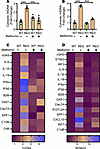 Figure 1
Metformin regulates mtDNA release and subsequent inflammation in HD. (A) Quantification of cytosolic mtDNA in WT and R6/2 cortex treated with or without metformin; n = 4 for vehicle and n = 5 for metformin group. (B) Quantification of cytosolic mtDNA in WT and R6/2 striatum treated with or without metformin; n = 4. (C) Heatmap showing qPCR-based mRNA expression of inflammatory, microglial activation, and synaptic genes in the cortex of WT and R6/2 mice, demonstrating that genes significantly upregulated in R6/2 mice were significantly downregulated following metformin treatment; n = 3–5. (D) Heatmap showing qPCR-based mRNA expression of inflammatory, microglial activation, and synaptic genes in the striatum of WT and R6/2 mice, demonstrating that genes significantly upregulated in R6/2 mice were significantly downregulated following metformin treatment. WT and R6/2 mice were treated with metformin 200 mg/kg body weight intraperitoneally. Data are represented as mean ± SEM. Individual data points in the graphs represent an independent biological sample; n = 3–5. Data were analyzed by 2-way ANOVA followed by Tukey’s test. ***P < 0.001.
Metformin inhibits proinflammatory microglial activation in R6/2 mice. Gene expression analysis revealed that metformin treatment tended to normalize mRNA levels associated with proinflammatory cytokines and synaptic markers in the cortex and striatum of symptomatic R6/2 mice (Figure 1, C and D). Given the elevated levels of proinflammatory cytokine mRNA and the known microglial activation in R6/2 mouse brain (50, 51), we evaluated the impact of metformin treatment on proinflammatory microglia in the R6/2 striatum. Immunofluorescence analysis using IBA1 (a microglial marker) and CD16 (a marker for phagocytic and inflammatory microglia) (52) demonstrated increased colocalization of CD16 and IBA1 in R6/2 striatum in comparison with WT mice (Figure 2, A and B). These findings suggest increased phagocytic and proinflammatory microglial activation in HD (3, 50, 53), and metformin treatment reduced this activation to near WT levels (Figure 2, A and B). Further, immunoblot analysis of proinflammatory microglial markers, including ASC/TMS1, HS1, CD68, CD86, and iNOS (52), revealed increased protein levels in the R6/2 striatum. Metformin normalized these levels to those observed in WT mice (Figure 2, C and D). Immunostaining and immunoblot analysis together demonstrated increased proinflammatory microglial activation in R6/2 brains, and this response was attenuated by metformin treatment.
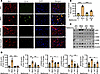 Figure 2
Metformin inhibits proinflammatory microglial activation in HD. (A) Representative immunofluorescence images stained with IBA1 (microglia marker), CD16 (proinflammatory microglia marker), and DAPI (nuclear marker) in WT and R6/2 striatum treated with metformin (200 mg/kg body weight) or vehicle. Scale bars: 50 μm. (B) Quantification of immunofluorescence in percentage of microglial cells showing CD16 signals per view fields in WT and R6/2 striatum treated with metformin (200 mg/kg body weight) or vehicle; n = 3. Twelve images per animal. (C) Representative immunoblot images of ASC, HS1, CD68, CD86, iNOS, and β-actin in WT and R6/2 striatum treated with metformin (200 mg/kg body weight) or vehicle. (D) Normalized quantification of immunoblots of ASC, HS1, CD68, CD86, and iNOS shown in C. Data are represented as mean ± SEM. Individual data points in the graphs represent an independent biological sample. Data were analyzed by 2-way ANOVA followed by Tukey’s test. *P < 0.05; **P < 0.01; ***P < 0.001.
To further investigate microglial activation and the effect of metformin, we analyzed microglial morphology in the R6/2 striatum. Using the NeuronJ plug-in in ImageJ (NIH) and IBA1-immunostained brain sections, we traced individual microglial processes in the striatum of WT and R6/2 mice, with and without metformin treatment. Morphologically, most IBA1+ microglia in the R6/2 striatum exhibited an activated phenotype, characteristic of proinflammatory phagocytic microglia, with reduced process ramification and number compared with age-matched WT controls (Figure 3, A and B). In contrast, microglia in the metformin-treated R6/2 striatum displayed a quiescent, homeostatic phenotype, characterized by highly ramified processes that occupied a larger area of brain tissue (Figure 3C), with no significant changes observed in WT mice following metformin treatment (Figure 3D).
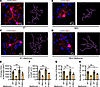 Figure 3
Metformin regulates microglial ramification in HD. (A–D) Representative images of microglial morphology traced with NeuronJ of ImageJ from the striatum of WT brain (A), striatum of R6/2 brain (B), striatum of WT brain treated with metformin (C), and striatum of R6/2 brain treated with metformin (D). Note that microglial cells from untreated R6/2 mice display shorter processes and diminished ramification of processes (B), whereas microglia from metformin-treated R6/2 mice show longer and highly ramified processes (D). Scale bars: 10 μm. (E) Quantification of average area occupied by individual microglia (in μm2) in the striatum of WT and R6/2 mice treated with metformin or vehicle. (F) Quantification of total process length by individual microglia (in μm) in striatum of WT and R6/2 mice treated with metformin or vehicle; n = 3. (G) Quantification of number of nodes in individual microglia in striatum of WT and R6/2 mice treated with metformin or vehicle. (H) Quantification of number of endings in individual microglia in the striatum of WT and R6/2 mice treated with metformin or vehicle (10–14 microglial cells per animal, n = 3 animals per group). Data are represented as mean ± SEM. Individual data points in the graphs represent an independent biological sample. Data were analyzed by 2-way ANOVA followed by Tukey’s test. *P < 0.05; **P < 0.01; ***P < 0.001.
Quantitative analysis confirmed the protective antiinflammatory effects of metformin treatment in the R6/2 striatum, as evidenced by increased area occupied by individual microglia (Figure 3E), enhanced total process length (Figure 3F), and a higher number of nodes and endings (Figure 3, G and H). These results provide evidence that metformin mitigates the phenotypic and functional characteristics of proinflammatory microglia.
Metformin reprograms impaired metabolism in R6/2 mouse brain. Microglia are highly responsive to their microenvironment and dynamically modulate metabolic pathways and immune properties in response to various stimuli (54). Inflammatory signals reprogram microglial metabolism, a key feature being increased glycolytic flux. Given this, we determined whether metformin influenced metabolic pathways in R6/2 brains. Glycolysis converts glucose to pyruvate through a series of steps, with pyruvate subsequently metabolized to acetyl-coenzyme A (acetyl-CoA), which enters the mitochondria to activate OXPHOS (Figure 4A) (55). To examine metabolic deregulation in R6/2 brains and the modulatory effects of metformin, we analyzed the gene expression profiles of glycolytic and OXPHOS enzymes in striatum (Figure 4B and Supplemental Table 3). This analysis revealed that the expression of the glucose transporter GLUT1 and glycolytic enzymes — hexokinases (HK1 and HK2), phosphofructokinase (PFKP), glyceraldehyde-3-phosphate dehydrogenase (GAPDH), phosphoglycerate mutase (PGAM), pyruvate kinase M (PKM), and lactate dehydrogenase A and B (LDHA and LDHB) — was elevated in the R6/2 striatum, and this increase was significantly inhibited by metformin (Figure 4B and Supplemental Table 3). Notably, we did not find any significant alterations in the enzymes’ mRNAs involved in the conversion of pyruvate to acetyl-CoA (Supplemental Table 3). In the OXPHOS pathway, aconitase 2 (ACO2) was reduced, whereas succinate-CoA ligase α (SUCLA1) and components of succinate dehydrogenase complex (SDHC and SDHD) were increased in R6/2 striatum (Figure 4B and Supplemental Table 3), and metformin only mitigated the level of SUCLA1 (Figure 4B and Supplemental Table 3). These results suggest deregulation of the glycolysis component in the R6/2 striatum. We therefore evaluated whether the changes of key glycolytic enzymes (hexokinases, phosphofructokinase, pyruvate kinase, pyruvate dehydrogenase, etc.) can also be demonstrated at the protein level. We found higher levels of glycolytic enzymes in R6/2 mouse striatum as compared with WT, which were normalized by metformin as demonstrated at the mRNA level (Figure 4, C and D). We analyzed levels of 2 isoforms of hexokinase (HK1 and HK2), which convert glucose to glucose-6-phosphate as the first step of glycolysis (56), and found a significant increase in HK1 and HK2 in R6/2 mouse brain, which was reduced by metformin (Figure 4, C and D).
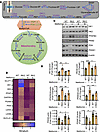 Figure 4
Metformin reprograms impaired metabolism in the R6/2 mouse brain. (A) Pictorial representation of glucose metabolism. (B) Heatmap showing qPCR-based mRNA expression of glucose glycolytic metabolic enzymes in the striatum of WT and R6/2 mice, demonstrating that genes significantly altered in R6/2 mice were significantly modulated following metformin treatment; n = 4. (C and D) Representative immunoblot images of hexokinase 1 (HK1), hexokinase 2 (HK2), PFKFB3, PKM2, pyruvate dehydrogenase (PDH), PDHK1, and β-actin (C) and their normalized expression levels (D) in WT and R6/2 striatum treated with vehicle or metformin (200 mg/kg body weight for 4 weeks); n = 4 for HK1, HK2, PFKFB3, and PKM2 and n = 5 for metformin group for PDH and PDHK1. Data are represented as mean ± SEM. Individual data points in the graphs represent an independent biological sample. Data were analyzed by 2-way ANOVA followed by Tukey’s test. *P < 0.05; **P < 0.01; ***P < 0.001.
We further investigated the level of PFKFB3 (6-phosphofructo-2-kinase/fructose-2,6-biphosphatase 3), an activator of the rate-limiting glycolytic enzyme phosphofructokinase (PFKP) (56). Consistent with the findings for hexokinase, the PFKFB3 level was elevated in the R6/2 mouse striatum and was normalized by metformin (Figure 4, C and D). PKM2, which catalyzes the conversion of phosphoenolpyruvate to pyruvate (56), was also increased in the R6/2 mouse striatum; however, it was not reduced by metformin (P = 0.09) (Figure 4, C and D). Interestingly, we observed a reduction in pyruvate dehydrogenase (PDH) levels in the R6/2 mouse striatum, which was ameliorated by metformin (Figure 4, C and D). The decreased PDH levels suggest impaired conversion of pyruvate to acetyl-CoA, a crucial step for initiating OXPHOS. Elevated hexokinase levels coupled with decreased PDH suggest an increased reliance on glycolysis with reduced OXPHOS in the R6/2 mouse striatum. Additionally, we found that pyruvate dehydrogenase kinase 1 (PDHK1), which regulates PDH activity, was also decreased in R6/2 mouse striatum and was normalized by metformin (Figure 4, C and D). Collectively, these results indicate that metformin reprograms the impaired metabolic pathways in the R6/2 mouse striatum, which could be linked to the microglial activation and inflammation observed in HD pathology.
Metabolic impairment in HD human brain. We observed deregulated glucose metabolism gene expression in the R6/2 striatum, which was restored by metformin (Figure 4). To assess the relevance of these findings to human HD, we examined postmortem human brain samples from HD patients, including grade IV cortex and grade II striatum, alongside age-matched non-neurological controls. Our analysis revealed upregulation of glycolytic enzymes, including HK1, HK2, PFKP, aldolase A, PKM2, and LDHA, in both HD cortex and striatum compared with their age-matched controls (Figure 5, A and B). Similarly, HK1, HK2, PFKP, aldolase A, PKM2, and LDHA were significantly upregulated in the HD striatum compared with age-matched controls (Figure 5, C and D). Notably, PDH was significantly reduced in the HD striatum (Figure 5, C and D). The elevated levels of glycolytic enzymes suggest increased glycolytic flux in HD, while the reduced PDH indicates impaired conversion of pyruvate to acetyl-CoA, pointing to a disruption in OXPHOS. These results highlight metabolic impairment in the HD cortex and striatum, potentially linked to proinflammatory microglial activation.
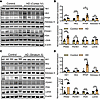 Figure 5
Impaired metabolism in human HD. (A and B) Immunoblot images of HK1, HK2, PFKP, aldolase A, PKM2, PDHK1, PDH, LDHA, and β-actin (A) and their normalized expression levels (B) in human postmortem brain cortex of control and HD grade IV; n = 5. (C and D) Immunoblot images of HK1, HK2, PFKP, aldolase A, PKM2, PDHK1, PDH, LDHA, and β-actin (C) and their normalized expression levels (D) in human postmortem brain striatum of control and HD grade II; n = 5. Data are represented as mean ± SEM. Individual data points in the graphs represent an independent biological repeat and were analyzed by 2-tailed Student’s t test. *P < 0.05; **P < 0.01; ***P < 0.001.
Metformin modulates mitochondrial fission to enhance OXPHOS and suppress microglial activation. Impaired metabolic regulation and microglial activation were observed in the R6/2 mouse brain, with metformin rescuing these abnormalities (Figures 3 and 4). We then performed real-time metabolic assessments in primary microglia isolated from WT and R6/2 mice (Figure 6A). Primary microglia were maintained in vitro for 21 days to acquire adult-like phenotypes (57, 58). Similar to the in vivo findings, primary microglia from R6/2 mice exhibited significant upregulation of proinflammatory cytokines (IL6, IL1B, and IL18) and markers of microglial activation (TNFA, CD68, and IRF7) (Figure 6B). Treatment with metformin for 72 hours significantly reduced the expression of these proinflammatory markers (Figure 6B). Next, we evaluated real-time bioenergetics in primary microglia from R6/2 mice to assess the effect of metformin on mitochondrial respiration. Using an extracellular flux analyzer, we measured the oxygen consumption rate, a key indicator of mitochondrial respiration (Figure 6B). We found that basal respiration was significantly reduced in R6/2 primary microglia compared with WT controls (Figure 6, C and D). Notably, metformin treatment enhanced basal respiration in R6/2 microglia (Figure 6, C and D), with no effect observed in WT microglia (Figure 6, C and D). Maximal respiratory capacity was also decreased in R6/2 microglia compared with WT, which was significantly improved by metformin (Figure 6, C and D). However, spare respiratory capacity remained unchanged in R6/2 microglia and was unaffected by metformin treatment (Supplemental Figure 2). These findings demonstrate that R6/2 microglia exhibit metabolic impairments, which are reversed by metformin, highlighting the potential of metformin to reprogram microglial metabolism. It is of interest to note that HD microglia express mutant huntingtin, suggesting that in addition to an indirect reaction from neuronal toxicity, additional mitochondrial stress may take place endogenously in microglia mediated by mutant huntingtin (17–20).
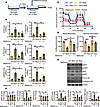 Figure 6
Metformin reprograms microglial metabolism via mitochondrial fission. (A) Schematic diagram of metformin treatment in WT and R6/2 mouse primary microglia. (B) qPCR analysis of proinflammatory and microglial activation marker mRNAs (IL6, IL1B, IL18, TNFA, CD68, and IRF7) in primary microglial cells isolated from WT (n = 5) and R6/2 (n = 4) mouse brains following treatment with metformin or vehicle. (C) Real-time oxygen consumption rate (OCR) measurements in WT and R6/2 primary microglia treated with or without metformin (25 μM) for 72 hours. Mitochondrial stress test was performed using sequential injections of oligomycin, FCCP, and rotenone/antimycin A (Rot/AA); OCR was normalized to nuclear staining. (D) Quantification of basal and maximal respiration from the same experiment. OCR was measured using a Seahorse XFe96 analyzer; WT, n = 5; R6/2, n = 4. (E and F) Representative immunoblot images (E) and their normalized quantification (F) showing expression of DRP1 (n = 3), phosphorylated DRP1, MFF, phosphorylated MFF, pro-IL1B, cleaved IL1B, and β-actin (n = 4) in primary microglia. Data in all panels are presented as mean ± SEM and were analyzed by 2-way ANOVA followed by Tukey’s test. *P < 0.05; **P < 0.01; ***P < 0.001.
Further, we investigated the effects of metformin on mitochondrial fission in primary microglia derived from R6/2 mice, because altered mitochondrial dynamics contribute to microglial dysfunction and neuroinflammation in HD (59, 60). Metformin treatment reduced dynamin-related protein 1 phosphorylation (p-DRP1) at Ser616, a modification associated with increased mitochondrial fragmentation in HD (Figure 6, E and F) (59). Similarly, mitochondrial fission factor phosphorylation (p-MFF) was decreased following metformin treatment in HD microglia, indicating a coordinated downregulation of fission machinery (Figure 6, E and F). These changes were complemented by a reduction of IL1B accumulation (Figure 6, E and F), which suggests that mitochondrial fission is associated with metabolic reprogramming and microglial activation in R6/2 microglia. In parallel, metformin treatment led to a significant reduction in IL1B mRNA accumulation (Figure 6B) and cleavage of pro-IL1B, generating active mature IL1B protein (Figure 6, E and F). Similarly, metformin reduced phosphorylation of DRP1 and MFF, markers of mitochondrial fission, in the R6/2 striatum (Supplemental Figure 3). This was accompanied by decreased IL1B, indicating reduced neuroinflammation (Supplemental Figure 3). Reduced IL1B level in R6/2 mice is observed with caspase-1 inhibition and minocycline-mediated neuroprotection (18, 21). Improved mitochondrial fission is associated with enhanced OXPHOS, as demonstrated by increased basal and maximal oxygen consumption rates measured via Seahorse assay (Figure 6, C and D). Together, these findings suggest that metformin promotes mitochondrial health by regulating the phosphorylation status of DRP1 and MFF. Collectively, these results demonstrate that metformin enhances mitochondrial function by modulating mitochondrial fission and simultaneously mitigates neuroinflammatory responses.
-
Discussion
Microglial activation is a hallmark of neurodegenerative diseases, including HD, yet the mechanisms underlying this activation remain poorly understood. Recent studies have linked alterations in cellular metabolic pathways to the dysfunction of immune cells, including microglia (61). In this study, we demonstrate that metformin regulates mtDNA release, proinflammatory gene expression, microglial activation, and metabolic dysregulation in R6/2 mice, with key findings corroborated with human HD samples. Our findings highlight the potential of metformin as a therapeutic agent for modulating neuroinflammation and metabolic dysfunction in HD.
Previously, we identified mtDNA release as a regulatory switch for neuroinflammation (46). Consistent with this, we observed elevated mtDNA release in the cortex and striatum of HD R6/2 mice, which was rescued by metformin. Increased mtDNA release promotes cGAS/STING signaling, a pathway that triggers inflammatory responses. Elevated levels of proinflammatory cytokines have been reported in the central nervous system and plasma of HD patients and in other neurodegenerative diseases (5, 25, 37, 62–66). In line with these and our earlier findings that inflammation in R6/2 mice can be attenuated by caspase-1 inhibition and minocycline treatment (18, 21, 67, 68), the present study further demonstrates that metformin similarly reduces and attenuates the expression of proinflammatory cytokines and microglial activation markers in the R6/2 brain. This suggests that metformin’s antiinflammatory effects may be mediated in part by its ability to regulate mtDNA release and downstream signaling pathways, thereby modulating neuroinflammation in HD.
Activated microglia, which exhibit a proinflammatory phenotype, are known to contribute to neuroinflammation and synaptic degeneration in HD (69). Our data indicate that metformin treatment reduces the microglial activation in R6/2 mice, as evidenced by the downregulation of microglial activation markers, such as CD16, CD68, CD86, etc. Additionally, we observed that metformin significantly increased the ramification of microglial cells, which is a characteristic of the quiescent microglia. This effect was reflected in the increased area, process length, number of nodes, and number of endings of microglial processes in metformin-treated R6/2 mice. These morphological changes suggest that metformin not only inhibits proinflammatory microglial activation but also restores the quiescent phenotype (70, 71). It is of interest that HD microglia express mutant huntingtin. This, and the fact that isolated R6/2 microglia demonstrate aberrant metabolism, suggest that the HD microglial phenotype is likely mediated by direct endogenous mutant huntingtin toxicity, superimposed upon a pathological neuronal milieu in HD (67).
The metabolic flexibility of immune cells, including microglia, enables them to adapt to different microenvironments and modulate immune responses (1–4). In the context of HD, metabolic reprogramming plays a crucial role in microglial activation and inflammation. Our study found that glycolytic enzymes were upregulated in the cortex and striatum of HD patients and striatum of R6/2 mice, indicating a shift toward glycolysis in response to neuroinflammation. In contrast, PDH, which catalyzes the conversion of pyruvate to acetyl-CoA for OXPHOS, was inhibited in HD samples. PDH inhibition suggests that energy production in HD reflects a shift toward glycolysis rather than OXPHOS at the level of striatal tissue. Because these measurements were performed in whole striatal homogenates, the observed metabolic changes likely represent combined contributions from all brain cell types. Metformin treatment rescued the inhibition of PDH in R6/2 striatum, restoring its activity to levels comparable to those in WT mice. PDH activity is regulated by pyruvate dehydrogenase kinase (PDHK), which phosphorylates and inactivates PDH, and by pyruvate dehydrogenase phosphatase, which dephosphorylates and activates PDH. We found that PDHK expression was reduced in R6/2 striatal tissue and normalized by metformin, suggesting that metformin may influence PDH activity through modulation of PDHK within the broader striatal cellular environment. Although these tissue-level findings are consistent with a shift toward enhanced OXPHOS and reduced glycolytic flux, any direct link to microglial metabolic activation remains speculative without cell type–specific analyses. Importantly, our independent measurements of mitochondrial respiration in isolated R6/2 microglia treated with metformin support this possibility, but further microglia-specific metabolic studies will be required to establish a definitive mechanism.
Furthermore, metabolic reprogramming in activated microglia leads to the generation of ROS, which serve as secondary messengers in inflammatory signaling pathways (72, 73). ROS production, through NADPH oxidases, can activate the MAPK and NFkB pathways, leading to the increased synthesis of proinflammatory cytokines (74–76). By restoring PDH activity and promoting OXPHOS, metformin treatment likely reduces ROS production and mitigates the inflammatory response in HD microglia. Metformin enhances mitochondrial function and reduces neuroinflammation by regulating key components of the mitochondrial fission machinery and suppressing proinflammatory signaling. Specifically, metformin decreased the phosphorylation of DRP1 and MFF, leading to improved OXPHOS (59, 77). Modulation of these mitochondrial dynamics likely contributes to the observed reduction in proinflammatory cytokine expression, including IL-1β, suggesting that mitochondrial dynamics are closely linked to the metabolic reprogramming and microglial activation in HD. These results align with emerging evidence that mitochondrial dysfunction and inflammation are interconnected drivers of neurodegenerative pathology (78, 79). By simultaneously targeting mitochondrial fission and inflammatory signaling, metformin may offer a dual therapeutic strategy to protect against neurodegeneration. An ongoing clinical trial testing the therapeutic effects of metformin on cognitive decline in HD is a promising step toward evaluating its efficacy in humans. Our findings are consistent with previous studies identifying metabolic reprogramming as a critical event in microglial activation and neuroinflammation (80). Notably, metformin’s ability to normalize metabolic dysfunction and reduce microglial activation suggests that it may be a promising therapeutic strategy for HD.
In conclusion, metabolic reprogramming plays a pivotal role in the microglial activation and function of microglia. During activation, microglia undergo significant metabolic shifts to meet the energy demands of their functional states (Figure 7). Proinflammatory activation is typically characterized by enhanced glycolysis, providing rapid energy for immediate immune responses. Thus, our study provides compelling evidence that metabolic reprogramming plays a key role in microglial activation and neuroinflammation in HD. Metformin, through its ability to restore mitochondrial dynamics and function and regulate metabolic reprogramming, offers a novel approach to modulating these pathogenic processes. By inhibiting proinflammatory cytokine expression and promoting an antiinflammatory microglial phenotype, metformin holds significant promise as a therapeutic strategy for HD. Further studies are needed to fully explore metformin’s potential in treating HD and other neurodegenerative diseases.
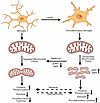 Figure 7
Graphical representation of metabolic reprogramming and microglial activation. Figure created with BioRender (biorender.com) under a University of Pittsburgh license.


