
Research ArticleGeneticsOncology
Open Access |  10.1172/jci.insight.196665
AURKA inhibitor VIC-1911 induces mitotic defects and functional BRCAness, sensitizing prostate cancer to PARP inhibition
Galina Gritsina,1 Sandip Kumar Rath,2 Hongshun Shi,1 Qi Chu,1 Wanqing Xie,1 Que Thanh Thanh Nguyen,1 Sambhavi Senthil,1 Thomas J. Myers,3 Mehmet A. Bilen,4,5 Sarah E. Fenton,6 Maha Hussain,6 David S. Yu,2,7 Jonathan C Zhao,1,5,7 and Jindan Yu1,5,7
1Department of Urology and
2Department of Radiation Oncology, Emory University School of Medicine, Atlanta, Georgia, USA.
3VITRAC Therapeutics LLC, Natick, Massachusetts, USA.
4Department of Hematology and Medical Oncology, Emory University School of Medicine, Atlanta, Georgia, USA
5Winship Cancer Institute of Emory University, Atlanta, Georgia, USA.
6Robert H. Lurie Comprehensive Cancer Center, Northwestern University Feinberg School of Medicine, Chicago, Illinois, USA.
7Department of Human Genetics, Emory University School of Medicine, Atlanta, Georgia, USA.
Address correspondence to: Jindan Yu, Department of Urology and Department of Human Genetics, Emory University, School of Medicine, 1760 Haygood Dr. NE, HSRB1 E330, Atlanta, Georgia, 30322, USA. Phone: 404.778.6871; Email: jindan.yu@emory.edu.
Find articles by
Gritsina, G.
in:
PubMed
|
Google Scholar
|

1Department of Urology and
2Department of Radiation Oncology, Emory University School of Medicine, Atlanta, Georgia, USA.
3VITRAC Therapeutics LLC, Natick, Massachusetts, USA.
4Department of Hematology and Medical Oncology, Emory University School of Medicine, Atlanta, Georgia, USA
5Winship Cancer Institute of Emory University, Atlanta, Georgia, USA.
6Robert H. Lurie Comprehensive Cancer Center, Northwestern University Feinberg School of Medicine, Chicago, Illinois, USA.
7Department of Human Genetics, Emory University School of Medicine, Atlanta, Georgia, USA.
Address correspondence to: Jindan Yu, Department of Urology and Department of Human Genetics, Emory University, School of Medicine, 1760 Haygood Dr. NE, HSRB1 E330, Atlanta, Georgia, 30322, USA. Phone: 404.778.6871; Email: jindan.yu@emory.edu.
Find articles by Rath, S. in: PubMed | Google Scholar
1Department of Urology and
2Department of Radiation Oncology, Emory University School of Medicine, Atlanta, Georgia, USA.
3VITRAC Therapeutics LLC, Natick, Massachusetts, USA.
4Department of Hematology and Medical Oncology, Emory University School of Medicine, Atlanta, Georgia, USA
5Winship Cancer Institute of Emory University, Atlanta, Georgia, USA.
6Robert H. Lurie Comprehensive Cancer Center, Northwestern University Feinberg School of Medicine, Chicago, Illinois, USA.
7Department of Human Genetics, Emory University School of Medicine, Atlanta, Georgia, USA.
Address correspondence to: Jindan Yu, Department of Urology and Department of Human Genetics, Emory University, School of Medicine, 1760 Haygood Dr. NE, HSRB1 E330, Atlanta, Georgia, 30322, USA. Phone: 404.778.6871; Email: jindan.yu@emory.edu.
Find articles by Shi, H. in: PubMed | Google Scholar
1Department of Urology and
2Department of Radiation Oncology, Emory University School of Medicine, Atlanta, Georgia, USA.
3VITRAC Therapeutics LLC, Natick, Massachusetts, USA.
4Department of Hematology and Medical Oncology, Emory University School of Medicine, Atlanta, Georgia, USA
5Winship Cancer Institute of Emory University, Atlanta, Georgia, USA.
6Robert H. Lurie Comprehensive Cancer Center, Northwestern University Feinberg School of Medicine, Chicago, Illinois, USA.
7Department of Human Genetics, Emory University School of Medicine, Atlanta, Georgia, USA.
Address correspondence to: Jindan Yu, Department of Urology and Department of Human Genetics, Emory University, School of Medicine, 1760 Haygood Dr. NE, HSRB1 E330, Atlanta, Georgia, 30322, USA. Phone: 404.778.6871; Email: jindan.yu@emory.edu.
Find articles by Chu, Q. in: PubMed | Google Scholar
1Department of Urology and
2Department of Radiation Oncology, Emory University School of Medicine, Atlanta, Georgia, USA.
3VITRAC Therapeutics LLC, Natick, Massachusetts, USA.
4Department of Hematology and Medical Oncology, Emory University School of Medicine, Atlanta, Georgia, USA
5Winship Cancer Institute of Emory University, Atlanta, Georgia, USA.
6Robert H. Lurie Comprehensive Cancer Center, Northwestern University Feinberg School of Medicine, Chicago, Illinois, USA.
7Department of Human Genetics, Emory University School of Medicine, Atlanta, Georgia, USA.
Address correspondence to: Jindan Yu, Department of Urology and Department of Human Genetics, Emory University, School of Medicine, 1760 Haygood Dr. NE, HSRB1 E330, Atlanta, Georgia, 30322, USA. Phone: 404.778.6871; Email: jindan.yu@emory.edu.
Find articles by
Xie, W.
in:
PubMed
|
Google Scholar
|
1Department of Urology and
2Department of Radiation Oncology, Emory University School of Medicine, Atlanta, Georgia, USA.
3VITRAC Therapeutics LLC, Natick, Massachusetts, USA.
4Department of Hematology and Medical Oncology, Emory University School of Medicine, Atlanta, Georgia, USA
5Winship Cancer Institute of Emory University, Atlanta, Georgia, USA.
6Robert H. Lurie Comprehensive Cancer Center, Northwestern University Feinberg School of Medicine, Chicago, Illinois, USA.
7Department of Human Genetics, Emory University School of Medicine, Atlanta, Georgia, USA.
Address correspondence to: Jindan Yu, Department of Urology and Department of Human Genetics, Emory University, School of Medicine, 1760 Haygood Dr. NE, HSRB1 E330, Atlanta, Georgia, 30322, USA. Phone: 404.778.6871; Email: jindan.yu@emory.edu.
Find articles by Nguyen, Q. in: PubMed | Google Scholar
1Department of Urology and
2Department of Radiation Oncology, Emory University School of Medicine, Atlanta, Georgia, USA.
3VITRAC Therapeutics LLC, Natick, Massachusetts, USA.
4Department of Hematology and Medical Oncology, Emory University School of Medicine, Atlanta, Georgia, USA
5Winship Cancer Institute of Emory University, Atlanta, Georgia, USA.
6Robert H. Lurie Comprehensive Cancer Center, Northwestern University Feinberg School of Medicine, Chicago, Illinois, USA.
7Department of Human Genetics, Emory University School of Medicine, Atlanta, Georgia, USA.
Address correspondence to: Jindan Yu, Department of Urology and Department of Human Genetics, Emory University, School of Medicine, 1760 Haygood Dr. NE, HSRB1 E330, Atlanta, Georgia, 30322, USA. Phone: 404.778.6871; Email: jindan.yu@emory.edu.
Find articles by Senthil, S. in: PubMed | Google Scholar
1Department of Urology and
2Department of Radiation Oncology, Emory University School of Medicine, Atlanta, Georgia, USA.
3VITRAC Therapeutics LLC, Natick, Massachusetts, USA.
4Department of Hematology and Medical Oncology, Emory University School of Medicine, Atlanta, Georgia, USA
5Winship Cancer Institute of Emory University, Atlanta, Georgia, USA.
6Robert H. Lurie Comprehensive Cancer Center, Northwestern University Feinberg School of Medicine, Chicago, Illinois, USA.
7Department of Human Genetics, Emory University School of Medicine, Atlanta, Georgia, USA.
Address correspondence to: Jindan Yu, Department of Urology and Department of Human Genetics, Emory University, School of Medicine, 1760 Haygood Dr. NE, HSRB1 E330, Atlanta, Georgia, 30322, USA. Phone: 404.778.6871; Email: jindan.yu@emory.edu.
Find articles by Myers, T. in: PubMed | Google Scholar
1Department of Urology and
2Department of Radiation Oncology, Emory University School of Medicine, Atlanta, Georgia, USA.
3VITRAC Therapeutics LLC, Natick, Massachusetts, USA.
4Department of Hematology and Medical Oncology, Emory University School of Medicine, Atlanta, Georgia, USA
5Winship Cancer Institute of Emory University, Atlanta, Georgia, USA.
6Robert H. Lurie Comprehensive Cancer Center, Northwestern University Feinberg School of Medicine, Chicago, Illinois, USA.
7Department of Human Genetics, Emory University School of Medicine, Atlanta, Georgia, USA.
Address correspondence to: Jindan Yu, Department of Urology and Department of Human Genetics, Emory University, School of Medicine, 1760 Haygood Dr. NE, HSRB1 E330, Atlanta, Georgia, 30322, USA. Phone: 404.778.6871; Email: jindan.yu@emory.edu.
Find articles by Bilen, M. in: PubMed | Google Scholar
1Department of Urology and
2Department of Radiation Oncology, Emory University School of Medicine, Atlanta, Georgia, USA.
3VITRAC Therapeutics LLC, Natick, Massachusetts, USA.
4Department of Hematology and Medical Oncology, Emory University School of Medicine, Atlanta, Georgia, USA
5Winship Cancer Institute of Emory University, Atlanta, Georgia, USA.
6Robert H. Lurie Comprehensive Cancer Center, Northwestern University Feinberg School of Medicine, Chicago, Illinois, USA.
7Department of Human Genetics, Emory University School of Medicine, Atlanta, Georgia, USA.
Address correspondence to: Jindan Yu, Department of Urology and Department of Human Genetics, Emory University, School of Medicine, 1760 Haygood Dr. NE, HSRB1 E330, Atlanta, Georgia, 30322, USA. Phone: 404.778.6871; Email: jindan.yu@emory.edu.
Find articles by Fenton, S. in: PubMed | Google Scholar
1Department of Urology and
2Department of Radiation Oncology, Emory University School of Medicine, Atlanta, Georgia, USA.
3VITRAC Therapeutics LLC, Natick, Massachusetts, USA.
4Department of Hematology and Medical Oncology, Emory University School of Medicine, Atlanta, Georgia, USA
5Winship Cancer Institute of Emory University, Atlanta, Georgia, USA.
6Robert H. Lurie Comprehensive Cancer Center, Northwestern University Feinberg School of Medicine, Chicago, Illinois, USA.
7Department of Human Genetics, Emory University School of Medicine, Atlanta, Georgia, USA.
Address correspondence to: Jindan Yu, Department of Urology and Department of Human Genetics, Emory University, School of Medicine, 1760 Haygood Dr. NE, HSRB1 E330, Atlanta, Georgia, 30322, USA. Phone: 404.778.6871; Email: jindan.yu@emory.edu.
Find articles by Hussain, M. in: PubMed | Google Scholar
1Department of Urology and
2Department of Radiation Oncology, Emory University School of Medicine, Atlanta, Georgia, USA.
3VITRAC Therapeutics LLC, Natick, Massachusetts, USA.
4Department of Hematology and Medical Oncology, Emory University School of Medicine, Atlanta, Georgia, USA
5Winship Cancer Institute of Emory University, Atlanta, Georgia, USA.
6Robert H. Lurie Comprehensive Cancer Center, Northwestern University Feinberg School of Medicine, Chicago, Illinois, USA.
7Department of Human Genetics, Emory University School of Medicine, Atlanta, Georgia, USA.
Address correspondence to: Jindan Yu, Department of Urology and Department of Human Genetics, Emory University, School of Medicine, 1760 Haygood Dr. NE, HSRB1 E330, Atlanta, Georgia, 30322, USA. Phone: 404.778.6871; Email: jindan.yu@emory.edu.
Find articles by Yu, D. in: PubMed | Google Scholar
1Department of Urology and
2Department of Radiation Oncology, Emory University School of Medicine, Atlanta, Georgia, USA.
3VITRAC Therapeutics LLC, Natick, Massachusetts, USA.
4Department of Hematology and Medical Oncology, Emory University School of Medicine, Atlanta, Georgia, USA
5Winship Cancer Institute of Emory University, Atlanta, Georgia, USA.
6Robert H. Lurie Comprehensive Cancer Center, Northwestern University Feinberg School of Medicine, Chicago, Illinois, USA.
7Department of Human Genetics, Emory University School of Medicine, Atlanta, Georgia, USA.
Address correspondence to: Jindan Yu, Department of Urology and Department of Human Genetics, Emory University, School of Medicine, 1760 Haygood Dr. NE, HSRB1 E330, Atlanta, Georgia, 30322, USA. Phone: 404.778.6871; Email: jindan.yu@emory.edu.
Find articles by Zhao, J. in: PubMed | Google Scholar
1Department of Urology and
2Department of Radiation Oncology, Emory University School of Medicine, Atlanta, Georgia, USA.
3VITRAC Therapeutics LLC, Natick, Massachusetts, USA.
4Department of Hematology and Medical Oncology, Emory University School of Medicine, Atlanta, Georgia, USA
5Winship Cancer Institute of Emory University, Atlanta, Georgia, USA.
6Robert H. Lurie Comprehensive Cancer Center, Northwestern University Feinberg School of Medicine, Chicago, Illinois, USA.
7Department of Human Genetics, Emory University School of Medicine, Atlanta, Georgia, USA.
Address correspondence to: Jindan Yu, Department of Urology and Department of Human Genetics, Emory University, School of Medicine, 1760 Haygood Dr. NE, HSRB1 E330, Atlanta, Georgia, 30322, USA. Phone: 404.778.6871; Email: jindan.yu@emory.edu.
Find articles by Yu, J. in: PubMed | Google Scholar
Published March 31, 2026 - More info
JCI Insight. 2026;11(9):e196665. https://doi.org/10.1172/jci.insight.196665.
© 2026 Gritsina et al. This work is licensed under the Creative Commons Attribution 4.0 International License. To view a copy of this license, visit http://creativecommons.org/licenses/by/4.0/.
Received: June 11, 2025; Accepted: March 16, 2026


-
Results
VIC-1911 selectively and effectively inhibits AURKA activities. To assess the on-target effects of VIC-1911 in PCa cells, we performed overnight incubation with a panel of androgen-dependent, castration-sensitive PCa cells, including LNCaP, VCaP, and LAPC4 (Figure 1A). Immunoblotting analyses revealed that VIC-1911 treatment markedly reduced phosphorylation of AURKA and TACC3, an AURKA cognate substrate (20), at concentrations as low as 0.05 μM. Critically, both AURKB and AURKC phosphorylation status remained unaffected by VIC-1911 at concentrations up to 1 μM, suggesting at least 20-fold higher selectivity for AURKA (Figure 1A). To further validate this finding, we examined androgen receptor–positive (AR-positive) but androgen-independent cell lines, 22Rv1 and C4-2B, that represent a majority of clinical CRPC patients. We found that VIC-1911 remained highly effective and selective in inhibiting AURKA activity in these CRPC cell lines (Figure 1B). Interestingly, in C4-2B cells, as low as 0.01 μM VIC-1911 was sufficient to substantially reduce AURKA activity and as high as 10 μM still failed to reduce AURKB and AURKC phosphorylation levels, indicating over 1,000 times increased selectivity for AURKA over AURKB/C. Similar high selectivity was also observed in AR-negative PC3 and DU145 cells (Figure 1C).
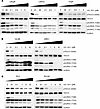 Figure 1
VIC-1911 robustly inhibits AURKA activities in a diverse panel of PCa cells. (A–C). Immunoblotting images show a gradual decrease in phospho-TACC3 and phospho-AURKA levels with increasing doses of VIC-1911 in AR-positive, androgen-dependent PCa cells (A), AR-positive, androgen-independent PCa cells (B), and AR-negative PCa cells (C). Cells were synchronized by overnight exposure to nocodazole (100 ng/mL) and cotreated with VIC-1911 for 24 hours.
Further, as VIC-1911 is known to also target TRKs (14), we evaluated the effect of VIC-1911 on activation of MAPK1/2 (ERK) and AKT, 2 kinases that play an important role in CRPC progression (21, 22). We observed a dose-dependent decrease in ERK phosphorylation under VIC-1911 treatment in androgen-sensitive LNCaP cells, AR-positive but androgen-insensitive 22Rv1 cells, and AR-negative PC3 cells. In contrast, AKT phosphorylation did not show a robust response. Among the 3 tested cell lines, only 22Rv1 exhibited decreased AKT activation (Supplemental Figure 1A; supplemental material available online with this article; https://doi.org/10.1172/jci.insight.196665DS1). In aggregate, our data validate VIC-1911 as a highly selective and effective AURKA inhibitor across diverse PCa cell types and show enhanced selectivity for AURKA relative to AURKB and AURKC in PCa cells. In addition, VIC-1911 co-targets MAPK1/2, whose activation is also frequently elevated in advanced PCa, thereby providing additional therapeutic benefit.
VIC-1911 represses the growth of a diverse panel of PCa cells. Given that VIC-1911 effectively inhibits AURKA across all tested PCa cell lines and considering the essential role of AURKA in regulating the cell cycle, especially mitosis, we next investigated the impact of VIC-1911 on PCa cell proliferation. The PCa cell line panel was treated with serial dilutions of VIC-1911 for 7 days, followed by cell viability analyses. Out of the AR-positive PCa cell lines, VCaP was the most sensitive, followed by C4-2B and 22Rv1, and then LNCaP and LAPC4, all of which showed an IC50 of less than 1 μM, suggesting that the efficacy was due to AURKA inhibition, but not AURKB and AURKC, which required high doses for inhibition (Figure 2A). Moreover, this aligns with the baseline expression and activation of AURKA in AR-positive PCa cells, with VCaP exhibiting the highest endogenous levels of total and phospho-AURKA, while the levels of phosphorylated AURKB/C remained similar across these cell lines (Supplemental Figure 2A).
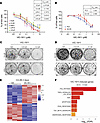 Figure 2
VIC-1911 inhibits cell growth and activates the P53 pathway. (A and B) Dose-response curves after 7 days of treatment with VIC-1911 of AR-positive (A) and AR-negative (B) PCa cell lines. Data are presented as mean ± SEM (n = 2 independent experiments). IC50 concentrations in PCa cell lines were calculated by the normalized response variable slope equation using GraphPad Prism 10. (C and D) Colony formation assay shows VIC-1911 inhibits PCa cell survival. A total of 6,000–10,000 cells/well of AR-positive (C) and AR-negative (D) PCa cell lines were seeded on 6-well plates and grown in the presence of different doses of VIC-1911 for 7 days, fixed, stained, and imaged. Representative experiments of n = 3 are presented. (E and F) C4-2B cells were subjected to triplicate RNA-Seq analyses after 48 hours of treatment with vehicle or VIC-1911 (0.1 μM). (E) Gene expression heatmap shows 50 upregulated and 48 repressed differentially expressed genes with 1.5-fold change. (F) Gene ontology analysis reveals a list of HALLMARK concepts that are induced by VIC-1911 treatment in C4-2B cells.
Interestingly, although VIC-1911 effectively inhibited AURKA activity in PC3 and DU145 cells at concentrations as low as 0.01 μM, comparable to its effects in AR-positive cells (Figure 1C), it was less efficacious at suppressing their proliferation, likely due to AR-negative PCa cells being more resistant to G2/M cell cycle arrest, as previously noted (23, 24) (Figure 2B). Coincidentally, VIC-1911 sensitivity did not correlate with the baseline expression of AURKA in these cells, although only 2 AR-negative cell lines were tested (Supplemental Figure 2A). The IC50 of VIC-1911 in the AR-negative PC3 and DU145 cells was 1.2 and 2.9 μM (Figure 2B), respectively, which was still well within the range of the selectivity of VIC-1911 on AURKA compared with AURKB/C in these cells. Likewise, a colony formation assay demonstrated that 0.1 μM of VIC-1911 eliminated AR-positive C4-2B and 22Rv1 cells but only substantially slowed the growth of AR-negative PC3 and DU145 cells (Figure 2, C and D). Taken together, these data suggest that, via AURKA targeting, VIC-1911 suppresses the growth of a wide spectrum of PCa cells.
To gain insights into the mechanism by which VIC-1911 inhibits PCa cell growth, we treated C4-2B cells with 0.1% DMSO vehicle control or 0.1 μM of VIC-1911 for 48 hours, followed by RNA-Seq analysis to evaluate changes in gene expression in response to the drug. We discovered that VIC-1911 caused 1.5-fold upregulation of 50 genes and 1.5-fold downregulation of 48 genes (Figure 2E and Supplemental Table 1). Gene Ontology (GO) analyses of VIC-1911–induced genes revealed highly significant induction of the p53 pathway, which is known to become upregulated in response to DNA damage to trigger cell cycle arrest, initiate DNA repair, and/or induce cell death (25) (Figure 2F). Indeed, TNF-α signaling and apoptosis, 2 major cell death programs, were also strongly enriched. By contrast, MTORC1 signaling, a key driver in cell growth and metabolism that is known to be suppressed by p53 activation (26), was the most inhibited pathway under VIC-1911 treatment (Supplemental Figure 2B).
VIC-1911 drastically induces mitotic defects and DNA DSBs. AURKA is instrumental in proper chromosome segregation during cell division, and its restriction causes G2/M checkpoint failure (27), DNA damage, mitotic arrest, and cell death (28). Thus, we aimed to investigate the immediate molecular response triggered by AURKA inhibition by VIC-1911 in PCa models. We treated PCa cell lines with increasing doses of VIC-1911. Immunoblotting revealed substantially increased γH2AX phosphorylation, a marker for DNA DSBs, suggesting that AURKA inhibition leads to major DNA damage (Figure 3A). Furthermore, VIC-1911 treatment, particularly at 1 μM, increased cleaved caspase-3 levels, indicating apoptosis (Figure 3A). Moreover, we subjected C4-2B cells to confocal imaging after 24 hours of drug treatment. Interestingly, we observed a substantial number of cells with extensive mitotic abnormalities after exposure to 0.1 μM of VIC-1911 (Figure 3B). Staining of α-tubulin revealed that some cells were arrested in the prometaphase/metaphase of mitosis, possibly due to failure in proper spindle checkpoint satisfaction, whereas other cells showed monopolar or multipolar spindles, which may have been caused by impaired centrosome separation. These cells showed a costaining of elevated γH2AX phosphorylation, indicating DSBs and DNA damage (Figure 3B). We also assessed morphological changes triggered by overnight treatment with VIC-1911 in 22Rv1 cells and observed similar induction of mitotic abnormalities and γH2AX phosphorylation (Supplemental Figure 3A). Therefore, by targeting AURKA, VIC-1911 rapidly induces mitotic defects, resulting in extensive DSBs and cell cycle arrest.
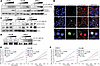 Figure 3
VIC-1911 induces mitotic defects, DNA damage, and apoptosis in PCa cells. (A) Immunoblotting analysis shows a dose-dependent increase in cleaved caspase-3 and phospho-γH2AX (S139) in response to 48 hours of incubation with increasing doses of VIC-1911. (B) VIC-1911 treatment induces mitotic abnormalities. Representative immunofluorescent images show increased nuclear-specific phospho-γH2AX (S139) staining in C4-2B cells with mitotic defects after 24 hours of treatment with 0.1 μM of VIC-1911. Scale bar: 30 μm. (C) Immunoblotting images show a gradually increasing level of phospho-ATM (S1981) in pKAP1 (S824) in response to 24 hours of treatment with increasing doses of VIC-1911. (D) Immunoblotting images show a gradually increasing level of phospho-ATR (T1989) in response to 24 hours of treatment with increasing doses of VIC-1911. (E) VIC-1911 in combination with lartesertib (ATMi) reduces the proliferation of AR-positive CRPC cells. Relative cell confluence was assessed using IncuCyte live-cell imaging. (F) VIC-1911 in combination with ceralasertib (ATRi) reduces the proliferation of AR-positive CRPC cells. Relativ e cell confluence was assessed using IncuCyte live-cell imaging. Bliss coefficient (S): S = 0 indicates an additive effect, S > 0 indicates synergy, and S < 0 indicates antagonism. The IncuCyte experiments were run once.
To determine whether VIC-1911 affects DNA damage response, we examined ATM and ATR signaling. Immunoblotting revealed that VIC-1911 treatment activates ATM, a critical sensor protein that detects DNA damage, such as DSBs, and becomes phosphorylated (29) (Figure 3C and Supplemental Figure 3B). Activated ATM in turn phosphorylates serine 139 of the H2A.X histone variant near the sites of DNA DSBs, which serves as a scaffold to recruit other DNA damage response proteins. Among these, KAP1, a direct ATM substrate (30), also showed robust activation upon VIC-1911 treatment (Figure 3C and Supplemental Figure 3B). These data support an active DNA damage response after VIC-1911 treatment and are consistent with the accumulation of γH2AX phosphorylation in cells with mitotic abnormalities, as shown in Figure 3B. To further examine the downstream events, we analyzed ATR, a critical DNA damage response kinase involved in S-phase and G2/M checkpoints (31) that functions as a gatekeeper for cell cycle arrest (32), and we found that VIC-1911 treatment also induced ATR activation (Figure 3D and Supplemental Figure 3C).
With this robust activation of DNA damage response regulators, we wondered whether VIC-1911 might exhibit synergistic effects with either clinically available ATM or ATR inhibitors. Interestingly, VIC-1911 and lartesertib (ATMi) showed strong combinatory effects in suppressing the growth of 22Rv1 and C4-2B cells (Figure 3E). Bliss model analysis indicated a synergistic effect in C4-2B cells but an additive effect in 22Rv1 cells at the tested dose ratio (Supplemental Table 2). The combination of VIC-1911 with ceralasertib (ATRi) showed an additive effect in 22Rv1 but not as much in C4-2B cells, which were already highly sensitive to ceralasertib alone at the tested dose (Figure 3F). These results suggest that VIC-1911 induces a DNA damage response and exhibits combinatorial effects with DNA damage–targeting agents in the treatment of PCa.
VIC-1911 acts synergistically with PARPi to suppress PCa cell growth. We next hypothesized that combining PARPi with VIC-1911 could be a promising approach since VIC-1911 induces massive DNA DSBs and mitotic catastrophe. To test this hypothesis, we first treated a panel of AR-positive PCa cells with olaparib to identify optimal doses for the drug combination (Figure 4A). We found that LNCaP and C4-2B showed much better responses to olaparib than VCaP and LAPC4, being consistent with previous reports that LNCaP and C4-2B harbor some BRCA2 and other HR gene mutations, albeit not functionally HR deficient (32). The 22Rv1 cells demonstrated much less sensitivity to olaparib than LNCaP and C4-2B but better sensitivity than VCaP and LAPC4. We thus chose 1 μM of olaparib for LNCaP and C4-2B and 10 μM for LAPC4 and 22Rv1 in combination assays. VCaP cells were not analyzed because they do not work well with the IncuCyte live-cell imaging system due to their mixed growth of adherent and clumping/floating cells. Notably, the combination of VIC-1911, used at only a 0.05 μM concentration, with olaparib substantially decreased the growth of all 4 cell lines tested (Figure 4B). Moreover, the Bliss independence model indicated synergistic effects of VIC-1911 and olaparib across all 4 cell lines, despite their differences in sensitivity to PARPi (Supplemental Table 2).
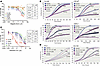 Figure 4
VIC-1911 acts synergistically with PARPi to inhibit PCa cell growth in vitro. (A) Dose-response curves after 7 days of treatment with olaparib of AR-positive PCa cell lines. Data are presented as mean ± SD (n = 3 independent experiments); the IC50 concentrations were calculated by the normalized response variable slope equation using GraphPad Prism 10. (B) VIC-1911 in combination with olaparib reduces the proliferation of AR-positive PCa cells. Relative cell confluence was assessed using IncuCyte live-cell imaging. The representative experiment of n = 3 replicates is presented. (C) Dose-response curves after 7 days of treatment with talazoparib of AR-positive and AR-negative CRPC cell lines. Data are presented as mean ± SD (n = 3 independent experiments). (D) VIC-1911 in combination with talazoparib reduces the proliferation of AR-negative CRPC cells. Relative cell confluence was evaluated using IncuCyte live-cell imaging. Bliss coefficient (S): S = 0 indicates an additive effect, S > 0 indicates synergy, and S < 0 indicates antagonism. The representative experiment of n = 3 replicates is presented.
Talazoparib is another PARPi that has been recently approved as a therapeutic agent for mCRPC in combination with enzalutamide (33). We analyzed PCa cell sensitivity to talazoparib in a panel of AR-positive CRPC cells (C4-2B and 22Rv1) and AR-negative CRPC cells (DU145 and PC3) (Figure 4C). Among all 4 cell lines tested, C4-2B showed the highest sensitivity to talazoparib, and PC3 and DU145 showed a comparable sensitivity to 22Rv1 cells. Further, the IC50 values of talazoparib in C4-2B and 22Rv1 cells were substantially lower than those of olaparib. Since we already tested the olaparib and VIC-1911 combination in the AR-positive cell lines, here we focused on the 2 AR-negative cell lines. We observed that the combination of sublethal doses of talazoparib and VIC-1911 synergistically decreased the proliferation of both DU145 and PC3 cells, as indicated by Bliss coefficients, with a more pronounced effect in DU145 cells (Figure 4D). Saruparib, a first-in-class PARP1-specific inhibitor, was well tolerated in a phase I/II clinical study in patients with metastatic cancer (34). We sought to evaluate the effect of combining VIC-1911 with saruparib in 2 AR-dependent PCa cell lines. First, we observed that C4-2B was much more sensitive to saruparib than 22Rv1, consistent with the olaparib data (Supplemental Figure 4A). Further, VIC-1911 and saruparib cotreatment showed strong combinatorial effects in inhibiting the proliferation of both 22Rv1 and C4-2B cells. Bliss coefficient analysis suggested a synergy in 22Rv1 cells but not in C4-2B, which was already strongly inhibited by each agent alone at the dose tested (Supplemental Table 2). Taken together, our results support that VIC-1911 is a promising candidate for combination therapies with PARPi to synergistically inhibit PCa, even when HR proficient.
VIC-1911 induces functional BRCAness, abolishing HR repair after PARP inhibition. Next, we sought to understand the molecular mechanisms by which VIC-1911 and PARPi combination synergistically inhibited PCa. To this end, we performed RNA-Seq of C4-2B cells treated with sublethal doses of VIC-1911 (0.1 μM), olaparib (1 μM), or their combination for 7 days. We observed that VIC-1911 induced a 2-fold increase in the expression of 427 genes and a 2-fold reduction of 454 genes, olaparib induced a 2-fold increase in the expression of 434 genes and a 2-fold reduction of 504 genes, and, finally, the VIC-1911 and PARPi combination induced a 2-fold increase of 628 and a 2-fold reduction of 566 genes (Supplemental Table 3). Critically, most olaparib-repressed genes were also strongly suppressed by VIC-1911, whereas olaparib-induced genes were also slightly induced by VIC-1911, with the VIC-1911 and PARPi combination showing the strongest effect, indicating a similar molecular function (Figure 5, A and B). Indeed, GO analysis revealed that olaparib-induced or VIC-1911/PARPi combination–induced genes were strongly enriched for p53 pathways, whereas their repressed genes were involved in MTOR1 signaling (Supplemental Figure 2), being very comparable to VIC-1911–induced or –repressed genes, respectively. Together, these results suggest that VIC-1911 and olaparib regulate similar molecular processes, activating the p53 pathway while inhibiting mTORC1 signaling, which are strongly linked to DNA damage, cell cycle arrest, and apoptosis.
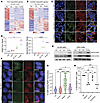 Figure 5
VIC-1911 induces mitotic defects and functional BRCAness, abolishing HR repair after PARP inhibition. (A and B) C4-2B cells were subjected to RNA-Seq analyses in triplicate after 7 days of treatment with vehicle or VIC-1911 (0.1 μM), olaparib (1 μM), or a combination of both. The heatmaps display upregulated and downregulated genes with a 2-fold change for olaparib and VIC-1911/PARPi combination. (C) VIC-1911 combined with olaparib increases the number of γH2AX nuclear foci and abnormal mitosis sites: 22Rv1 cells were treated with either vehicle, olaparib (1 μM), VIC-1911 (0.1 μM), or both for 24 hours, fixed, and subjected to confocal imaging, which revealed an increased number of nuclear γH2AX foci (yellow arrowheads) and abnormal mitotic sites (red arrowheads) in cells subjected to VIC-1911 and PARPi combination treatment. Scale bar: 30 μm. (D) Scatter plots show the quantification of γH2AX foci per nucleus (left) or the number of abnormal mitotic sites per nucleus (right) across 3 separate field views. Data are shown as mean ± SD, *P < 0.05, ****P < 0.0001, 1-way ANOVA combined with Dunnett’s multiple-comparison test (GraphPad Prism 10). (E) Immunoblotting analysis of the protein lysates derived from C4-2B or 22Rv1 cells treated with vehicle, VIC-1911 (0.1 μM), olaparib (1 μM), or a combination of both for 48 hours. (F) VIC-1911 in combination with olaparib inhibits olaparib-induced RAD51 foci. C4-2B cells were treated with either vehicle, olaparib (1 μM), VIC-1911 (0.1 μM), or both for 24 hours, fixed, and subjected to confocal imaging, which revealed an increased number of nuclear RAD51 foci in olaparib-treated cells, but not in cells treated with VIC-1911 or VIC-1911 and PARPi combination. Scale bar: 30 μm. (G) Scatter plot shows the quantification of RAD51 nuclear foci per view field; 150 fields per treatment were evaluated. *P < 0.05, **** P < 0.0001, 1-way ANOVA combined with Dunnett’s multiple-comparison test (GraphPad Prism 10). (H) Scatter plots show decreased GFP signal in DR-GFP reporter U2OS cells under olaparib (1 μM) and VIC-1911 and PARPi combination. However, no significant effect was observed under VIC-1911 (0.1 μM) treatment alone. **P < 0.01, ***P < 0.001, 1-way ANOVA combined with Dunnett’s multiple-comparison test (GraphPad Prism 10).
We subsequently asked whether the effect of the combination treatment is associated with accumulated DNA damage. To this end, we conducted fluorescent imaging to detect nuclear foci of γH2AX phosphorylation in 22Rv1 cells after overnight treatment with VIC-1911, olaparib, or their combination. We observed that olaparib alone led to some increases in phospho-γH2AX nuclear foci, but VIC-1911 as a single agent led to substantially more nuclear phospho-γH2AX, with the addition of DNA damage in cells with mitotic defects (Figure 5C). Their combination further increased the number of phospho-γH2AX foci per nucleus, indicating more severe DNA damage (Figure 5D). Moreover, there were significantly more cells with mitotic abnormalities after treatment by VIC-1911 or the drug combination. Immunoblotting analysis confirmed increased γH2AX phosphorylation and showed higher levels of cleaved PARP, a marker of apoptosis, in cells treated with VIC-1911, especially when it was combined with olaparib (Figure 5E). These results indicate that the drug combination increases mitotic defects, DNA DSBs, and apoptosis.
We next sought to determine whether the synergistic effects between VIC-1911 and PARPi are linked to altered HR activity in these cells, since PARPi is most effective in HR-deficient cancer cells. To this end, we investigated HR repair by assessing RAD51 foci formation using immunofluorescence staining in cells treated with VIC-1911, olaparib, or their combination. First, we found that olaparib alone induced a strong HR response in C4-2B cells, evident by a significant increase in nuclear RAD51 foci (Figure 5, F and G), consistent with the increase in DSBs and the HR-proficient nature of the cells. However, despite inducing more increase in DSBs, VIC-1911 did not induce nuclear RAD51 foci formation, suggesting an inhibition of HR repair. Moreover, when used in combination with olaparib, VIC-1911 diminished nuclear RAD51 foci formation expected to be induced by olaparib, manifesting a functional BRCAness phenotype. Similar results were also observed in AR-independent PC3 cells, which are HR-proficient and insensitive to PARPi (Supplemental Figure 5, C and D). These results suggest that VIC-1911 leads to functional BRCAness in PCa cells.
Next, we sought to assess whether the VIC-1911–dependent inhibition of RAD51 foci formation is due to a direct impairment of HR machinery. First, we demonstrated that this functional BRCAness was not caused by a reduction in RAD51 protein expression, as shown by immunoblotting (Supplemental Figure 5E). Next, we used U2OS cells with stable direct repeats (DR)-GFP reporter expression to assess how drug treatment affects HR repair in these cells. In the DR-GFP reporter experiment, a site-specific DSB is introduced by I-SceI endonuclease within an upstream, inactive GFP cassette. HR repair employs endogenous HR factors in these cells and a downstream truncated GFP fragment as the donor template to restore a functional GFP sequence. Successful HR repair enables GFP expression in these cells, providing a quantitative fluorescent readout (35). Interestingly, olaparib treatment decreased GFP reporter activity (Figure 5H), indicating inhibition of HR, consistent with previous reports (35). The net increase in RAD51 foci formation observed earlier in PCa cells (Figure 5, F and G) is likely due to drastically increased DSBs being repaired by an attenuated HR system. Importantly, VIC-1911 did not significantly affect HR repair of the reporter gene, despite a trend toward a decrease, in both control and olaparib-treated cells. We observed similar responses to VIC-1911 in combination with talazoparib (Supplemental Figure 5F). These findings are in contrast to its inhibition of RAD51 foci formation in PCa cells. Of note, the DR-GFP reporter system contains a downstream homologous sequence as a template for HR repair, whereas endogenous DSBs on a chromosome requires a sister chromatid as a template, the proper alignment of which, however, is likely disrupted by mitotic defects and chromosome mis-segregation upon AURKA inhibition. Therefore, by inducing mitotic defects, VIC-1911 triggers functional BRCAness, sensitizing otherwise HR-proficient PCa cells to PARP inhibition.
VIC-1911 inhibits xenograft PCa tumor growth and sensitizes PCa to PARPi. To investigate the ability of VIC-1911 to inhibit PCa tumor growth in vivo, we first evaluated its efficacy as a single agent. We grafted (s.c.) Nod-SCID mice with 22Rv1 cells, representing the majority of CRPC tumors that were AR-positive, and treated tumor-bearing mice with either vehicle or 60 mg/kg of VIC-1911 twice a day for 2 weeks. We observed that VIC-1911 significantly inhibited 22Rv1 xenograft tumor growth, flattening the growth curve after 1.5 weeks of treatment (Figure 6A). Importantly, there were no statistically significant differences in the whole-body weight of the treated mice, suggesting the tolerability of the drug in vivo (Supplemental Figure 6A). Next, we examined whether VIC-1911 could inhibit the growth of currently incurable, AR-negative CRPC tumors derived from patients. To this end, we grafted Nod-SCID mice with LuCaP93, a patient-derived xenograft of CRPC with neuroendocrine features (36). Importantly, there was a clear decrease in tumor growth after 7 days of treatment and a remarkably inhibited tumor growth within 14 days of treatment, while having no apparent effects on the whole-body weights of drug-treated mice (Figure 6B and Supplemental Figure 6B). To confirm that VIC-1911 targets AURKA, we performed histological analysis of tissue samples derived from the studied mice. IHC staining showed that VIC-1911 completely abrogated phospho-AURKA staining but greatly increased caspase-3 cleavage compared with the vehicle-treated tumors (Figure 6C). Therefore, by targeting AURKA and inducing apoptosis, VIC-1911, as a single agent, exhibits promising antitumor activity in suppressing both AR-positive 22Rv1 and AR-negative LuCaP93 patient-derived xenograft tumor growth in vivo.
 Figure 6
VIC-1911 significantly inhibits PCa tumor growth either as a single agent or in combination with PARPi. (A) VIC-1911 delays AR-positive CRPC tumor growth: 22Rv1 cells were s.c. injected into the right flank of Nod-SCID mice. Once tumors reached approximately 100 mm3, the mice were treated with either VIC-1911 (60 mg/kg) or vehicle for 2 weeks. Tumor growth data are shown as mean ± SEM. ****P < 0.0001, 2-way ANOVA repeated-measures test combined with Bonferroni’s multiple-comparison test. Arrow indicates starting point of treatment. (B) VIC-1911 delays AR-negative CRPC tumor growth. LuCaP93 patient-derived xenograft was s.c. grafted in flanks of Nod-SCID mice on both sides. Once the tumors reached approximately100 mm3, mice were started on treatment with either VIC-1911 (60 mg/kg) or vehicle for 2 weeks. Tumor growth data are shown as mean ± SEM. **P < 0.01, 2-way ANOVA repeated-measures test combined with Bonferroni’s multiple-comparison test. Arrow indicates starting point of treatment. (C) Representative IHC images confirm the reduction of phospho-AURKA in VIC-1911–treated tumors and increased staining for cleaved caspase-3, an apoptosis marker. Synaptophysin (SYP) staining validates the neuroendocrine phenotype of the AR-negative CRPC tumors of LuCaP93. Scale bar: 30 μm. (D) 22Rv1 (0.5 × 10⁶) cells were s.c. injected into the right flanks of Nod-SCID mice. Sixteen days after inoculation, mice were treated with either vehicle, olaparib (50 mg/kg), VIC-1911 (30 mg/kg), or a combination of both for 2 weeks. Tumor growth data are shown as mean ± SEM. *P < 0.05, 2-way ANOVA repeated-measures test combined with Bonferroni’s multiple-comparison test. (E) Representative IHC images of tumor sections stained for Ki67 or phospho-γH2AX (S139) are shown. Scale bar: 30 μm. (F) A model depicting VIC-1911 induction of functional BRCAness, sensitizing PCa cells to PARP inhibitors. VIC-1911 triggers G2/M arrest and mitotic defects, thereby compromising HR repair of DSBs induced by VIC-1911 itself and by PARPi, leading to massive accumulation of DNA damage and mitotic catastrophe and synergistically inhibiting tumor growth.
We next sought to test whether VIC-1911 could be a promising therapeutic strategy to sensitize HR-proficient CRPC tumors to PARPi. To this end, we inoculated (s.c.) Nod-SCID mice with 22Rv1 cells. After the tumors reached 100 mm³, we initiated 4 treatment arms: vehicle, VIC-1911 (30 mg/kg), olaparib (50 mg/kg), or their combination. To enable us to assess the effects of the drug combination, we reduced the VIC-1911 therapeutic dose to half of the previously tested amount to avoid complete tumor killing as a single agent. We observed that this half dose of VIC-1911 alone only slightly reduced 22Rv1 xenograft tumor growth, whereas olaparib, as a single agent, did not show a clear antitumor effect in these HR-proficient cells. Remarkably, the combination of VIC-1911 and olaparib abolished tumor growth after 14 days of treatment (Figure 6D). Once more, there was no apparent effect on the body weight of the treated mice, suggesting tolerability of the drug combination (Supplemental Figure 6C). IHC analysis of endpoint 22Rv1 tumors revealed that VIC-1911, at this half dose, already led to some patches of decreased Ki67, whereas olaparib did not reduce Ki67, consistent with its lack of tumor inhibition in this HR-proficient model (Figure 6E and Supplemental Figure 6D). Despite their strong combinatorial antitumor effects, there was no further decrease in Ki67 in tumors treated with the VIC-1911 and PARPi combination. Notably, previous studies have reported that cells arrested at G2/M can remain positive for Ki67 (37), which is maximally expressed in the G2/M phase (38). Moreover, clinical evidence indicates that changes in Ki67 expression do not necessarily correlate directly with tumor response to therapy (39). Surprisingly, cleaved caspase-3 staining showed increased apoptosis in tumors treated with VIC-1911, but this effect was also not further augmented by combination with olaparib (Supplemental Figure 6E), suggesting other cell death pathways, such as necrosis and autophagy, which have been associated with mitotic catastrophe (40). Moreover, γH2AX accumulation in tumors was markedly enhanced by combination treatment, indicating severe DNA damage relative to tumors treated with either agent alone (Figure 6E), consistent with our earlier data (Figure 5, F and G) showing that VIC-1911 inhibits HR repair initiated by olaparib. Taken together, these results indicate that the drug combination synergistically inhibits PCa tumor growth primarily by inducing mitotic catastrophe and massive DNA damage. Our findings underscore the preclinical significance and safety of using VIC-1911 to sensitize PCa, including HR-proficient PCa cells, to PARP inhibitors.


