
Research ArticlePulmonologyVascular biology
Open Access |  10.1172/jci.insight.189107
FOSL2 regulates endothelial cell state and chromatin accessibility in systemic sclerosis pulmonary vascular remodeling
Rithika Behera,1 Yuechen Zhou,1 Peter H. Gerges,2 Jingyu Fan,2 Tracy Tabib,1 Alyxzandria M. Gaydosik,1 Mengqi Huang,1 Jishnu Das,2 Elena Pachera,3 Amela Hukara,3 Ying Tang,4 Florian Renoux,3 Miranda Tai,4 Oliver Distler,3 Gabriela Kania,3 Stephen Y. Chan,4 Harinder Singh,2 Eleanor Valenzi,5 and Robert Lafyatis1
1Division of Rheumatology and Clinical Immunology and
2Center for Systems Immunology and Department of Immunology, University of Pittsburgh, Pittsburgh, Pennsylvania, USA.
3Center for Experimental Rheumatology, Department of Rheumatology, University Hospital Zurich, University of Zurich, Schlieren, Switzerland.
4Division of Cardiology, Cardiovascular Institute, and
5Division of Pulmonary, Allergy and Critical Care Medicine, University of Pittsburgh, Pittsburgh, Pennsylvania, USA.
Address correspondence to: Robert Lafyatis, Division of Rheumatology and Clinical Immunology, University of Pittsburgh, 3500 Terrace Street, Room S720 BST, Pittsburgh, Pennsylvania, 15261, USA. Phone: 412.383.8123; Email: lafyatis@pitt.edu.
Authorship note: RB and YZ contributed equally to this work.
Find articles by Behera, R. in: PubMed | Google Scholar
1Division of Rheumatology and Clinical Immunology and
2Center for Systems Immunology and Department of Immunology, University of Pittsburgh, Pittsburgh, Pennsylvania, USA.
3Center for Experimental Rheumatology, Department of Rheumatology, University Hospital Zurich, University of Zurich, Schlieren, Switzerland.
4Division of Cardiology, Cardiovascular Institute, and
5Division of Pulmonary, Allergy and Critical Care Medicine, University of Pittsburgh, Pittsburgh, Pennsylvania, USA.
Address correspondence to: Robert Lafyatis, Division of Rheumatology and Clinical Immunology, University of Pittsburgh, 3500 Terrace Street, Room S720 BST, Pittsburgh, Pennsylvania, 15261, USA. Phone: 412.383.8123; Email: lafyatis@pitt.edu.
Authorship note: RB and YZ contributed equally to this work.
Find articles by Zhou, Y. in: PubMed | Google Scholar
1Division of Rheumatology and Clinical Immunology and
2Center for Systems Immunology and Department of Immunology, University of Pittsburgh, Pittsburgh, Pennsylvania, USA.
3Center for Experimental Rheumatology, Department of Rheumatology, University Hospital Zurich, University of Zurich, Schlieren, Switzerland.
4Division of Cardiology, Cardiovascular Institute, and
5Division of Pulmonary, Allergy and Critical Care Medicine, University of Pittsburgh, Pittsburgh, Pennsylvania, USA.
Address correspondence to: Robert Lafyatis, Division of Rheumatology and Clinical Immunology, University of Pittsburgh, 3500 Terrace Street, Room S720 BST, Pittsburgh, Pennsylvania, 15261, USA. Phone: 412.383.8123; Email: lafyatis@pitt.edu.
Authorship note: RB and YZ contributed equally to this work.
Find articles by Gerges, P. in: PubMed | Google Scholar
1Division of Rheumatology and Clinical Immunology and
2Center for Systems Immunology and Department of Immunology, University of Pittsburgh, Pittsburgh, Pennsylvania, USA.
3Center for Experimental Rheumatology, Department of Rheumatology, University Hospital Zurich, University of Zurich, Schlieren, Switzerland.
4Division of Cardiology, Cardiovascular Institute, and
5Division of Pulmonary, Allergy and Critical Care Medicine, University of Pittsburgh, Pittsburgh, Pennsylvania, USA.
Address correspondence to: Robert Lafyatis, Division of Rheumatology and Clinical Immunology, University of Pittsburgh, 3500 Terrace Street, Room S720 BST, Pittsburgh, Pennsylvania, 15261, USA. Phone: 412.383.8123; Email: lafyatis@pitt.edu.
Authorship note: RB and YZ contributed equally to this work.
Find articles by Fan, J. in: PubMed | Google Scholar
1Division of Rheumatology and Clinical Immunology and
2Center for Systems Immunology and Department of Immunology, University of Pittsburgh, Pittsburgh, Pennsylvania, USA.
3Center for Experimental Rheumatology, Department of Rheumatology, University Hospital Zurich, University of Zurich, Schlieren, Switzerland.
4Division of Cardiology, Cardiovascular Institute, and
5Division of Pulmonary, Allergy and Critical Care Medicine, University of Pittsburgh, Pittsburgh, Pennsylvania, USA.
Address correspondence to: Robert Lafyatis, Division of Rheumatology and Clinical Immunology, University of Pittsburgh, 3500 Terrace Street, Room S720 BST, Pittsburgh, Pennsylvania, 15261, USA. Phone: 412.383.8123; Email: lafyatis@pitt.edu.
Authorship note: RB and YZ contributed equally to this work.
Find articles by Tabib, T. in: PubMed | Google Scholar
1Division of Rheumatology and Clinical Immunology and
2Center for Systems Immunology and Department of Immunology, University of Pittsburgh, Pittsburgh, Pennsylvania, USA.
3Center for Experimental Rheumatology, Department of Rheumatology, University Hospital Zurich, University of Zurich, Schlieren, Switzerland.
4Division of Cardiology, Cardiovascular Institute, and
5Division of Pulmonary, Allergy and Critical Care Medicine, University of Pittsburgh, Pittsburgh, Pennsylvania, USA.
Address correspondence to: Robert Lafyatis, Division of Rheumatology and Clinical Immunology, University of Pittsburgh, 3500 Terrace Street, Room S720 BST, Pittsburgh, Pennsylvania, 15261, USA. Phone: 412.383.8123; Email: lafyatis@pitt.edu.
Authorship note: RB and YZ contributed equally to this work.
Find articles by Gaydosik, A. in: PubMed | Google Scholar
1Division of Rheumatology and Clinical Immunology and
2Center for Systems Immunology and Department of Immunology, University of Pittsburgh, Pittsburgh, Pennsylvania, USA.
3Center for Experimental Rheumatology, Department of Rheumatology, University Hospital Zurich, University of Zurich, Schlieren, Switzerland.
4Division of Cardiology, Cardiovascular Institute, and
5Division of Pulmonary, Allergy and Critical Care Medicine, University of Pittsburgh, Pittsburgh, Pennsylvania, USA.
Address correspondence to: Robert Lafyatis, Division of Rheumatology and Clinical Immunology, University of Pittsburgh, 3500 Terrace Street, Room S720 BST, Pittsburgh, Pennsylvania, 15261, USA. Phone: 412.383.8123; Email: lafyatis@pitt.edu.
Authorship note: RB and YZ contributed equally to this work.
Find articles by Huang, M. in: PubMed | Google Scholar
1Division of Rheumatology and Clinical Immunology and
2Center for Systems Immunology and Department of Immunology, University of Pittsburgh, Pittsburgh, Pennsylvania, USA.
3Center for Experimental Rheumatology, Department of Rheumatology, University Hospital Zurich, University of Zurich, Schlieren, Switzerland.
4Division of Cardiology, Cardiovascular Institute, and
5Division of Pulmonary, Allergy and Critical Care Medicine, University of Pittsburgh, Pittsburgh, Pennsylvania, USA.
Address correspondence to: Robert Lafyatis, Division of Rheumatology and Clinical Immunology, University of Pittsburgh, 3500 Terrace Street, Room S720 BST, Pittsburgh, Pennsylvania, 15261, USA. Phone: 412.383.8123; Email: lafyatis@pitt.edu.
Authorship note: RB and YZ contributed equally to this work.
Find articles by
Das, J.
in:
PubMed
|
Google Scholar
|

1Division of Rheumatology and Clinical Immunology and
2Center for Systems Immunology and Department of Immunology, University of Pittsburgh, Pittsburgh, Pennsylvania, USA.
3Center for Experimental Rheumatology, Department of Rheumatology, University Hospital Zurich, University of Zurich, Schlieren, Switzerland.
4Division of Cardiology, Cardiovascular Institute, and
5Division of Pulmonary, Allergy and Critical Care Medicine, University of Pittsburgh, Pittsburgh, Pennsylvania, USA.
Address correspondence to: Robert Lafyatis, Division of Rheumatology and Clinical Immunology, University of Pittsburgh, 3500 Terrace Street, Room S720 BST, Pittsburgh, Pennsylvania, 15261, USA. Phone: 412.383.8123; Email: lafyatis@pitt.edu.
Authorship note: RB and YZ contributed equally to this work.
Find articles by
Pachera, E.
in:
PubMed
|
Google Scholar
|
1Division of Rheumatology and Clinical Immunology and
2Center for Systems Immunology and Department of Immunology, University of Pittsburgh, Pittsburgh, Pennsylvania, USA.
3Center for Experimental Rheumatology, Department of Rheumatology, University Hospital Zurich, University of Zurich, Schlieren, Switzerland.
4Division of Cardiology, Cardiovascular Institute, and
5Division of Pulmonary, Allergy and Critical Care Medicine, University of Pittsburgh, Pittsburgh, Pennsylvania, USA.
Address correspondence to: Robert Lafyatis, Division of Rheumatology and Clinical Immunology, University of Pittsburgh, 3500 Terrace Street, Room S720 BST, Pittsburgh, Pennsylvania, 15261, USA. Phone: 412.383.8123; Email: lafyatis@pitt.edu.
Authorship note: RB and YZ contributed equally to this work.
Find articles by Hukara, A. in: PubMed | Google Scholar
1Division of Rheumatology and Clinical Immunology and
2Center for Systems Immunology and Department of Immunology, University of Pittsburgh, Pittsburgh, Pennsylvania, USA.
3Center for Experimental Rheumatology, Department of Rheumatology, University Hospital Zurich, University of Zurich, Schlieren, Switzerland.
4Division of Cardiology, Cardiovascular Institute, and
5Division of Pulmonary, Allergy and Critical Care Medicine, University of Pittsburgh, Pittsburgh, Pennsylvania, USA.
Address correspondence to: Robert Lafyatis, Division of Rheumatology and Clinical Immunology, University of Pittsburgh, 3500 Terrace Street, Room S720 BST, Pittsburgh, Pennsylvania, 15261, USA. Phone: 412.383.8123; Email: lafyatis@pitt.edu.
Authorship note: RB and YZ contributed equally to this work.
Find articles by Tang, Y. in: PubMed | Google Scholar
1Division of Rheumatology and Clinical Immunology and
2Center for Systems Immunology and Department of Immunology, University of Pittsburgh, Pittsburgh, Pennsylvania, USA.
3Center for Experimental Rheumatology, Department of Rheumatology, University Hospital Zurich, University of Zurich, Schlieren, Switzerland.
4Division of Cardiology, Cardiovascular Institute, and
5Division of Pulmonary, Allergy and Critical Care Medicine, University of Pittsburgh, Pittsburgh, Pennsylvania, USA.
Address correspondence to: Robert Lafyatis, Division of Rheumatology and Clinical Immunology, University of Pittsburgh, 3500 Terrace Street, Room S720 BST, Pittsburgh, Pennsylvania, 15261, USA. Phone: 412.383.8123; Email: lafyatis@pitt.edu.
Authorship note: RB and YZ contributed equally to this work.
Find articles by Renoux, F. in: PubMed | Google Scholar
1Division of Rheumatology and Clinical Immunology and
2Center for Systems Immunology and Department of Immunology, University of Pittsburgh, Pittsburgh, Pennsylvania, USA.
3Center for Experimental Rheumatology, Department of Rheumatology, University Hospital Zurich, University of Zurich, Schlieren, Switzerland.
4Division of Cardiology, Cardiovascular Institute, and
5Division of Pulmonary, Allergy and Critical Care Medicine, University of Pittsburgh, Pittsburgh, Pennsylvania, USA.
Address correspondence to: Robert Lafyatis, Division of Rheumatology and Clinical Immunology, University of Pittsburgh, 3500 Terrace Street, Room S720 BST, Pittsburgh, Pennsylvania, 15261, USA. Phone: 412.383.8123; Email: lafyatis@pitt.edu.
Authorship note: RB and YZ contributed equally to this work.
Find articles by
Tai, M.
in:
PubMed
|
Google Scholar
|
1Division of Rheumatology and Clinical Immunology and
2Center for Systems Immunology and Department of Immunology, University of Pittsburgh, Pittsburgh, Pennsylvania, USA.
3Center for Experimental Rheumatology, Department of Rheumatology, University Hospital Zurich, University of Zurich, Schlieren, Switzerland.
4Division of Cardiology, Cardiovascular Institute, and
5Division of Pulmonary, Allergy and Critical Care Medicine, University of Pittsburgh, Pittsburgh, Pennsylvania, USA.
Address correspondence to: Robert Lafyatis, Division of Rheumatology and Clinical Immunology, University of Pittsburgh, 3500 Terrace Street, Room S720 BST, Pittsburgh, Pennsylvania, 15261, USA. Phone: 412.383.8123; Email: lafyatis@pitt.edu.
Authorship note: RB and YZ contributed equally to this work.
Find articles by
Distler, O.
in:
PubMed
|
Google Scholar
|
1Division of Rheumatology and Clinical Immunology and
2Center for Systems Immunology and Department of Immunology, University of Pittsburgh, Pittsburgh, Pennsylvania, USA.
3Center for Experimental Rheumatology, Department of Rheumatology, University Hospital Zurich, University of Zurich, Schlieren, Switzerland.
4Division of Cardiology, Cardiovascular Institute, and
5Division of Pulmonary, Allergy and Critical Care Medicine, University of Pittsburgh, Pittsburgh, Pennsylvania, USA.
Address correspondence to: Robert Lafyatis, Division of Rheumatology and Clinical Immunology, University of Pittsburgh, 3500 Terrace Street, Room S720 BST, Pittsburgh, Pennsylvania, 15261, USA. Phone: 412.383.8123; Email: lafyatis@pitt.edu.
Authorship note: RB and YZ contributed equally to this work.
Find articles by
Kania, G.
in:
PubMed
|
Google Scholar
|
1Division of Rheumatology and Clinical Immunology and
2Center for Systems Immunology and Department of Immunology, University of Pittsburgh, Pittsburgh, Pennsylvania, USA.
3Center for Experimental Rheumatology, Department of Rheumatology, University Hospital Zurich, University of Zurich, Schlieren, Switzerland.
4Division of Cardiology, Cardiovascular Institute, and
5Division of Pulmonary, Allergy and Critical Care Medicine, University of Pittsburgh, Pittsburgh, Pennsylvania, USA.
Address correspondence to: Robert Lafyatis, Division of Rheumatology and Clinical Immunology, University of Pittsburgh, 3500 Terrace Street, Room S720 BST, Pittsburgh, Pennsylvania, 15261, USA. Phone: 412.383.8123; Email: lafyatis@pitt.edu.
Authorship note: RB and YZ contributed equally to this work.
Find articles by
Chan, S.
in:
PubMed
|
Google Scholar
|
1Division of Rheumatology and Clinical Immunology and
2Center for Systems Immunology and Department of Immunology, University of Pittsburgh, Pittsburgh, Pennsylvania, USA.
3Center for Experimental Rheumatology, Department of Rheumatology, University Hospital Zurich, University of Zurich, Schlieren, Switzerland.
4Division of Cardiology, Cardiovascular Institute, and
5Division of Pulmonary, Allergy and Critical Care Medicine, University of Pittsburgh, Pittsburgh, Pennsylvania, USA.
Address correspondence to: Robert Lafyatis, Division of Rheumatology and Clinical Immunology, University of Pittsburgh, 3500 Terrace Street, Room S720 BST, Pittsburgh, Pennsylvania, 15261, USA. Phone: 412.383.8123; Email: lafyatis@pitt.edu.
Authorship note: RB and YZ contributed equally to this work.
Find articles by
Singh, H.
in:
PubMed
|
Google Scholar
|
1Division of Rheumatology and Clinical Immunology and
2Center for Systems Immunology and Department of Immunology, University of Pittsburgh, Pittsburgh, Pennsylvania, USA.
3Center for Experimental Rheumatology, Department of Rheumatology, University Hospital Zurich, University of Zurich, Schlieren, Switzerland.
4Division of Cardiology, Cardiovascular Institute, and
5Division of Pulmonary, Allergy and Critical Care Medicine, University of Pittsburgh, Pittsburgh, Pennsylvania, USA.
Address correspondence to: Robert Lafyatis, Division of Rheumatology and Clinical Immunology, University of Pittsburgh, 3500 Terrace Street, Room S720 BST, Pittsburgh, Pennsylvania, 15261, USA. Phone: 412.383.8123; Email: lafyatis@pitt.edu.
Authorship note: RB and YZ contributed equally to this work.
Find articles by Valenzi, E. in: PubMed | Google Scholar
1Division of Rheumatology and Clinical Immunology and
2Center for Systems Immunology and Department of Immunology, University of Pittsburgh, Pittsburgh, Pennsylvania, USA.
3Center for Experimental Rheumatology, Department of Rheumatology, University Hospital Zurich, University of Zurich, Schlieren, Switzerland.
4Division of Cardiology, Cardiovascular Institute, and
5Division of Pulmonary, Allergy and Critical Care Medicine, University of Pittsburgh, Pittsburgh, Pennsylvania, USA.
Address correspondence to: Robert Lafyatis, Division of Rheumatology and Clinical Immunology, University of Pittsburgh, 3500 Terrace Street, Room S720 BST, Pittsburgh, Pennsylvania, 15261, USA. Phone: 412.383.8123; Email: lafyatis@pitt.edu.
Authorship note: RB and YZ contributed equally to this work.
Find articles by
Lafyatis, R.
in:
PubMed
|
Google Scholar
|
Published April 22, 2026 - More info
JCI Insight. 2026;11(8):e189107. https://doi.org/10.1172/jci.insight.189107.
© 2026 Behera et al. This work is licensed under the Creative Commons Attribution 4.0 International License. To view a copy of this license, visit http://creativecommons.org/licenses/by/4.0/.
Received: November 11, 2024; Accepted: February 26, 2026

-
Results
Single-cell multiome sequencing of SSc-ILD-PH and healthy control lungs can identify different subtypes of ECs. To investigate the perturbed gene regulatory programs in SSc-ILD-PH, we performed single-cell multiome sequencing on explanted lung tissue from patients with SSc-ILD-PH (n = 9) and from healthy controls declined for transplantation (n = 6, Supplemental Table 1; supplemental material available online with this article; https://doi.org/10.1172/jci.insight.189107DS1). A total of 79,125 cells from SSc-ILD-PH and control lungs passed quality control (Supplemental Figure 1 and Supplemental Table 2) and were integrated using the Harmony (15) algorithm to remove the observed batch effects between samples (Supplemental Figure 2, A–C). We identified a total of 23 clusters (Supplemental Figure 2, D and E). Cell-type identities were assigned to each cluster based on expression of canonical marker genes (Supplemental Figure 2F and Supplemental Table 3).
To better understand the transcriptional regulatory mechanisms associated with SSc-ILD-PH vasculopathy, we subclustered the endothelial and mesenchymal populations (Figure 1, A–C, and Supplemental Figure 2G). Based on literature gene markers (16), we identified 6 endothelial subpopulations including GJA5+IGFBP3+DKK2+ arterial ECs, COL15A1+VWA1+PLVAP+ systemic venous ECs, EDNRB+SOSTDC1+ aerocytes, and FCN3+IL7R+GPIHBP1+ general capillary ECs. Fibroblasts were annotated based on the expression of previously reported markers for adventitial (MFAP5, PLA2G2A, and PI16), alveolar (SPINT2, FGFR4, and CDH13), and myofibroblast (ACTA2, POSTN, CTHRC1) subtypes (17, 18) (Figure 1D and Supplemental Table 4). We additionally identified 1 fibroblast cluster primarily composed of cells from a single patient, which had minimal expression of previously identified gene markers for fibroblast subtypes. Notably, comparing SSc-ILD-PH with healthy control lung samples, we observed a marked increase in the percentage of systemic venous ECs and a decrease in the percentage of arterial ECs (Figure 1E).
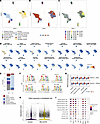 Figure 1
Single-cell multiome sequencing showed enrichment of FOS and FOSL2 motifs in SSc-ILD-PH vascular ECs. (A–C) UMAP visualization of endothelial and mesenchymal populations in SSc and control (NOR) lung tissues. Cells are colored by (A) cell types, (B) health status, or (C) samples. (D) Expression patterns of gene markers used for identification of endothelial or mesenchymal subpopulations. (E) Bar plot shows the percentage of each endothelial or mesenchymal subpopulation from control (NOR) and SSc-ILD-PH lungs. (F) Top 6 motifs showing enrichment in SSc-ILD-PH ECs compared with control ECs. (G) Violin plots showing chromVAR enrichment scores of MA0476.1 (FOS) and MA0478.1 (FOSL2) in each endothelial subpopulation from control (NOR; blue) and SSc-ILD-PH (red) lungs. (H) FOSL2 gene expression in ECs from lungs of healthy controls and patients with SSc-ILD-PH. (I) Average expression (dot color) of selected AP1 family transcription factors and percentage of cells showing expression (dot size) in endothelial subpopulations from healthy controls and patients with SSc-ILD-PH.
Gene regulatory network analysis of vascular ECs in SSc-ILD-PH and healthy control lungs shows an enrichment of FOSL2 regulatory network. To identify TFs associated with SSc-ILD-PH disease pathogenesis in ECs, we performed motif enrichment analysis using chromVAR (19). We found enrichment of binding sites for AP-1 family proteins (FOS, FOSL2, JUN, MAF, and MAFK) and their binding partners (NF-E2 and NFE2L2) in SSc vascular ECs compared with healthy control vascular ECs (Figure 1F and Supplemental Table 5). Notably, FOS and FOSL2 motifs were ranked as the top 2 most differentially enriched motifs, both showing higher activity across all vascular EC subtypes in SSc-ILD-PH compared with healthy control lungs (Figure 1G). On comparing the differential gene expression in healthy control and SSc-ILD-PH lungs, we found that expression of FOSL2 was upregulated in ECs from SSc-ILD-PH lungs compared with healthy control lungs (Figure 1H). Notably, FOSL2 was upregulated in all the vascular EC subtypes from SSc-ILD-PH lungs (Figure 1I). FOS also showed modestly increased expression restricted to arterial ECs and aerocytes, as did NFE2L2 and BACH1.
We took advantage of joint chromatin accessibility and gene expression profiling to explore potential genomic regions and downstream genes targeted by disease-associated TFs using SCENIC+ (20). We identified 161 unique enhancer-driven regulons (eRegulons) targeting a total of 32,463 regions and 7,122 genes. We focused on high-quality eRegulons showing robust correlations between TF expression and target region enrichment score (correlation coefficient > 0.5 or < –0.5, Supplemental Figure 3A). A total of 20 activator eRegulons (positive TF-gene correlation, Figure 2A and Supplemental Figure 3B) and 5 repressor eRegulons (negative TF-gene correlation, Supplemental Figure 3, C and D) met these criteria.
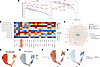 Figure 2
SCENIC+-identified enrichment of FOSL2 eRegulons in SSc-ILD-PH vascular EC populations. (A) TFs ranked according to eRegulon specificity score. TFs colored in red show the top 10 TFs for each condition. (B) Visualization of the FOSL2 eRegulon generated using SCENIC+. Predicted target regions and genes are color-coded by differential accessibility or expression (Padj < 0.05) in SSc-ILD-PH ECs compared with controls. (C) TF expression and gene-based enrichment scores (dot size) for high-quality activator eRegulons. (D and E) Dimensionality reduction of vascular ECs using eRegulon enrichment scores. Cells are colored by (D) cell type or (E) health status. (F) Patterns of region-based enrichment score of FOSL2 eRegulon in the UMAP visualization of ECs. (G) FOSL2 expression patterns in the UMAP visualization of ECs.
Clustering of vascular ECs by eRegulon target region enrichment score suggested cell type–specific and disease-specific effects on the gene regulatory networks (GRNs) (Figure 2, D and E). SSc ECs clustered mainly in one group that included both systemic venous cells and a second cluster composed mainly of pulmonary venous cells (Figure 2F). eRegulons for aerocytes and capillary ECs largely overlapped when comparing SSc-ILD-PH with healthy controls (Figure 2G). Most striking was the difference in eRegulon clustering with SSc-ILD-PH compared with control arterial ECs (Figure 2, F and G).
Consistent with our chromVAR analysis, FOSL2 showed higher expression and enrichment of predicted target genes and regions in SSc-ILD-PH across all vascular EC subpopulations (Figure 2, A, B, F, and G). Notably, among the 862 regions in the FOSL2 eRegulon across all the EC subpopulations, 380 were significantly more accessible in SSc vascular ECs compared with healthy control vascular ECs, with only 22 showing decreased accessibility (Supplemental Table 6). Similarly, 187 out of predicted 201 FOSL2 target genes showed significant upregulation in SSc vascular ECs, and only 4 were downregulated (Padj < 0.05, Figure 2C).
To predict the role of FOSL2 in regulating cell identity across the healthy to diseased state, we applied CellOracle (21) to perturb FOSL2 across vascular ECs from healthy and SSc-ILD-PH lungs in silico. We created a GRN for both the healthy and SSc vascular ECs using the single-cell ATAC-Seq data. This network identified TF-binding motifs (including FOSL2) in our dataset. We performed in silico KO (gene expression set to 0) and overexpression (gene expression increased to 1.5 times the highest expression) perturbations of FOSL2 in 11,720 vascular ECs. Clustering by gene expression recapitulated vascular EC subpopulations (Figure 3A). Our results based on simulation and vector visualization on the GRN model indicate a shift in vascular ECs from a diseased to healthy state when FOSL2 is knocked out (Figure 3B) and an opposite trend, from a healthy state to diseased state when FOSL2 is overexpressed (Figure 3C). These results collectively suggest a role for FOSL2 in driving transcriptional and epigenetic alterations in SSc-ILD-PH vascular ECs.
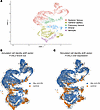 Figure 3
In silico FOSL2 perturbations using CellOracle identifies its role in maintaining healthy cell identity in vascular ECs. (A) UMAP dimensional reduction on ECs and its subtypes from lungs of controls (n = 16) and patients with SSc-ILD-PH (n = 16). Cells are colored by cell type. (B and C) Simulation of cell identity transitions due to FOSL2 perturbations: KO (B) and overexpression (C).
Single-cell RNA-Seq identifies cellular and transcriptomic changes in ECs from Fosl2tg mice. To further explore the function of FOSL2 in vitro, we studied Fosl2 transgenic mice (Fostg) in which the murine Fosl2 gene is expressed under the control of the MHC1 promoter H2Kb (12, 22). The histology on lung sections from WT mice showed well-formed air spaces, bronchioles, vascular channels, and thin-walled venules (Figure 4A). Fosl2tg mice lungs showed loss of air space and dense infiltration of fibrotic and inflammatory cells, as well as vascular smooth muscle cell hypertrophy, inflammatory vascular cuffing, and obliteration of vascular lumen (Figure 4A).
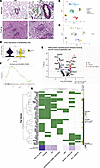 Figure 4
Vascular ECs from Fosl2tg mice have dysregulated gene expression. (A) H&E staining on lungs isolated from WT and Fosl2tg mice. Scale bars: 50 μm and 100 μm. (B and C) UMAP dimensional reduction visualization of cells isolated from single-cell RNA-Seq of WT and Fosl2tg mice lungs. Cells are colored by (B) cell type or (C) mouse origin. (D) Fosl2 expression in ECs from lungs of WT and Fosl2tg mice. (E) Differentially expressed genes between ECs from Fosl2tg and WT mice. (F) Enrichment plot generated of Hallmark hypoxia. (G) Top differentially expressed genes from lungs of WT and Fosl2tg mice that are a part of the top Hallmark gene sets by GSEA.
To explore changes in molecular characteristics at the single-cell level, we carried out single-cell RNA (scRNA) sequencing on lung tissue samples from 3 WT mice and 3 Fosl2tg mice. To minimize batch effects, all 6 samples were processed simultaneously using unique indexing and library preparation. We examined a total of 4,460 cells from 6 mice lung samples (Supplemental Table 7 and Supplemental Figure 4B) and identified 7 distinct cell types based on gene expression markers widely used to identify different mouse cell populations (Figure 4B). Cell type–specific markers for each cluster were identified based on the genes with the highest variable expression relative to all the other clusters (Supplemental Figure 4A and Supplemental Table 8). Vwf, Lyve1, Pecam1, and Tek expression identified a discrete cluster of cells and provided a strong transcriptome signature for murine vascular ECs (Supplemental Figure 4E).
On comparing the proportions of each cell type in WT and Fosl2tg mice, there was a decrease in the number of ECs, B cells, and macrophages and an increase in the cell proportions of T cell and monocyte-like macrophages identified from Fosl2tg mice (Supplemental Figure 4C). Cells in most of the populations showed similar transcriptomic changes when comparing WT with Fosl2tg mice, except for the myeloid and EC compartments, which showed divergent clustering on uniform manifold approximation and projection (UMAP) plots (Figure 4C). Fosl2 gene expression was found to be increased in the vascular ECs from Fosl2tg mice (Figure 4D). Fosl2 expression was slightly lower in T cells but not significantly different in other cell populations.
To better understand the heterogeneity and learn more about the different subpopulations, we subclustered the ECs. However, we couldn’t identify any markers to differentiate between the different subpopulations of ECs. To understand the disease-associated changes in vascular ECs due to Fosl2 overexpression, we compared the differential gene expression between Fosl2tg and WT mice. Several of the upregulated genes in Fosl2tg mice have been reported to be increased in PH and are markers of disease progression, such as Col4a1, Col4a2, and Edn1 (23) (Figure 4E). Other genes differentially overexpressed in Fosl2tg mice are involved in vascular remodeling and hypoxia, such as Sparc, Rgcc, Anxa2, and Abl2 (24–27) (Figure 4E and Supplemental Table 9). We also found Bmp6 and Bmpr2 gene expression to be downregulated in Fosl2tg mice compared with WT mice. We used the Hallmark gene sets from Gene Set Enrichment Analysis (GSEA) to find enriched pathways from the differentially expressed genes in ECs from Fosl2tg compared with WT mice. Of all the Hallmark gene sets, TNF-α signaling through NF-κB, P53, MTORC1, and hypoxia had the highest normalized enrichment scores (Padj < 0.05) (Figure 4, F and G and Supplemental Figure 4, D and G).
We compared results from the mouse data with human data to identify similarities to human vascular ECs isolated from the lungs of patients with SSc-ILD-PH. We used an scRNA-Seq dataset comprising lungs from patients with SSc-ILD-PH (n = 16) and healthy controls declined for transplantation (n = 15) (28). We used this dataset because it is larger than the single-cell multiome dataset, providing increased statistical power. The scRNA-Seq dataset identified identical vascular EC subpopulations as in the multiome dataset (28). As before (Figure 1H and Figure 2G), we observed increased FOSL2 gene expression in the vascular ECs from patients with SSc-ILD-PH compared with healthy controls. We identified 295 genes to be differentially upregulated in vascular ECs from SSc-ILD-PH lungs, and 320 genes were differentially upregulated in vascular ECs from Fosl2tg mice (average log2 fold-change [FC] ≥ 0.32 and Padj < 0.05; Supplemental Figure 4F). In addition,18 genes were differentially upregulated in ECs from both Fosl2tg mice and patients with SSc-ILD-PH (P < 0.05, Figure 5, A and B, and Supplemental Figure 4F). Genes such as ANXA2 are sensitive to oxygen changes (29), and MYC and ANXA2 have been reported to be increased during hypoxia in PH (30) and to induce angiogenesis (31). These observed common genes support similarity in human and murine disease. Gene ontology (GO) biological process analysis on these 18 common genes showed enrichment of angiogenesis, blood vessel formation, and tube development (Figure 5C).
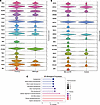 Figure 5
Transcriptomic similarity in ECs from Fosl2tg mice and patients with SSc-ILD-PH. (A and B) Gene expression in ECs from Fosl2tg mice (A) and patients with SSc-ILD-PH (B). (C) GO biological processes associated with the 18-gene overlap in Fosl2tg mouse and SSc-ILD-PH lung ECs.
FOSL2 regulation of EC and T cell phenotypes before onset of significant fibrosis. To more clearly separate fibrosis and inflammation and to better understand whether the effect of FOSL2 overexpression on ECs in murine lung disease is direct or indirect (related to hypoxia or inflammation), we next examined scRNA-Seq gene expression in Fosl2tg mice (n = 2) before the onset of significant lung fibrosis compared with WT mice (n = 2) and in Fosl2tg mice bred to rag2-KO mice (Fosl2tgrag2ko, n = 2), along with rag2-KO mice (rag2ko, n = 1). In these Fosl2tg mice, perivascular inflammation and smooth muscular hyperplasia was apparent but fibrotic disease was minimal by H&E (Supplemental Figure 5) and trichome stains (data not shown). scRNA-Seq was carried out on paraffin embedded sections using FLEX technology (10x Genomics) (32). Sequence reads were mapped and a total of 40,209 cells included from the 7 samples. Cells were clustered, and cell populations were identified by marker genes using Azimuth and manual assignment (Supplemental Figure 6A and Supplemental Table 10 shows cell counts/cluster). Genes upregulated and downregulated in ECs from these mice overlapped largely with regulated genes in the more fibrotic lungs (data not shown). This FLEX RNA-Seq analysis showed more ECs, enabling arterial, capillary, and venous ECs to be discretely separated (Supplemental Figure 6B). Gene expression was generally consistent among phenotypes (Supplemental Figure 6C) and across samples (Supplemental Figure 6D). The change in arterial EC gene expression in Fosl2tg mice compared with WT mice largely overlapped with the changes in gene expression of ECs found in the other clusters (data not shown). Since lungs contain relatively few arterial cells (Supplemental Figure 6B, cluster 4), we combined all ECs to provide more robust comparisons of statistically significantly regulated genes in Fosl2tg mice. Fosl2tg compared with WT mouse EC shared 339 upregulated and 240 downregulated genes with SSc-ILD-PH compared with HC lung ECs (Padj < 0.05 and log2FC > 0.25 for each comparison, Figure 6A and Supplemental Table 11). GO implicated multiple pathways in the overlapping upregulated genes, notably including positive regulation of leukocyte cell-cell adhesion (GO:1903039), regulation of TOR signaling (GO:0032006), cellular response to TGF-β stimulus (GO:0071560), and multiple pathways associated with RNA metabolism (Supplemental Table 12).
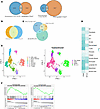 Figure 6
Altered gene regulation in Fra2tg and SSc-ILD ECs. (A) Overlapping genes (Padj < 0.05 and log2FC > 0.25) upregulated (hypergeometric P value: 6.91 × 10–76) and downregulated (hypergeometric P value: 1.54 × 10–55) when comparing Fra2tg with WT mice and SSc-ILD-PH versus HC ECs. (B) Overlapping upregulated and downregulated genes (Padj < 0.05 and log2FC > 0.1) in ECs when comparing Fra2tg with WT and Fra2tg rag2-KO versus WT mice (hypergeometric P value: 1.55 × 10–268). (C) Overlap of upregulated EC genes (Padj < 0.05 and log2FC > 0.25) when comparing FOSL2tg with WT, FOSL2tg rag2-KO with WT, and SSc-ILD with HC lungs; Monte Carlo overlap P = 5.0 × 10⁻⁵. (D) Fosl2 expression in different cell populations in Fosl2tg and WT mice. (E) Subclustering of T cells from Fosl2tg mice. (F) GSEA pathway analysis of genes regulated in Fosl2 lung Treg cells.
We next examined the role of the immune system in affecting the EC phenotype. Rag2ko mice showed few differences in EC gene expression compared with WT ECs (data not shown). To show the set of genes consistently upregulated by Fosl2 that are not dependent on B cells and T cells, we compared Fosl2tg with Fosl2tgrag2ko ECs. Genes upregulated in Fosl2tg compared with WT overlapped strongly with genes upregulated in Fosl2tgrag2ko mice (Figure 6B), indicating that B cells and T cells are not requisite for most of the altered EC gene expression induced in Fosl2tg mice.
We further defined the upregulated genes shared between Fosl2tg and Fosl2tgrag2ko mice that overlap with genes upregulated in ECs from SSc-ILD-PH compared with healthy control lungs (Padj < 0.05 and log2FC > 0.25, Figure 6C). This provided a group of 82 genes by the significant overlap between their overexpression in ECs in Fosl2tg and Fosl2tgrag2ko mice, and in SSc-ILD-PH (P = 5.0 × 10⁻⁵), including EDN1, SMAD5, JAG2, PDGFD, ABL2, as well as FOLSL2 (Supplemental Table 13A). Their upregulated expression in both overlapping gene sets suggests that their regulation is dependent on EC Fosl2 overexpression but not on B cells and T cells.
To further address the role of Tregs, we reclustered the T cells in the scRNA-Seq data from nonfibrotic Fosl2tg mice (Figure 6E). The Tregs did not separate out as a discrete subcluster, and only a few cells (12 from WT and 10 from Fosl2tg mice) expressed high levels of FOXP3, identifying them as Tregs. Surprisingly, these cells coexpressed CD8 rather than CD4, suggesting that they are CD8+ Tregs (33). The small number of cells did not provide significant corrected P value differences in gene expression when comparing Fosl2tg with WT mice. However, when comparing the Fosl2tg with WT Treg transcriptomes, GSEA showed upregulated “Hallmark _inflammatory_response” (nominal P value 0.039) and downregulated “Hallmark IL6_JAK_STAT3 signaling” (nominal P value 0.036). Fosl2tg Tregs showed upregulated but not statistically significant changes in markers of Treg activation: Il10 (5.9-fold increase), Havcr2 (i.e., Tim-3, 38.5-fold increase); Tnfrsf18 (i.e., GITR, 3.5-fold increase) as well as Gzmb. Foxp3 itself was increased 3.2-fold in Fosl2tg CD8-expressing Tregs (nominal P value = 0.00025). GO reinforced the GSEA, showing significant FDR-corrected “Regulation of lymphocyte differentiation (GO:0045619)” and related pathways (Supplemental Table 13B).
We then examined changes in T cells broadly, providing a more robust statistical comparison. A broad shift in Th1, Th2, and CD8 phenotypes was seen in the UMAP clustering (Figure 6E). Using GO to examine genes upregulated by all Fosl2tg T cells (FC > 2 and P value < 0.05) indicated multiple significant pathways (Supplemental Table 14), including “regulation of lymphocyte activation (GO:0051249).” Amongst the 13 genes in this pathway, Fosl2tg T cells showed increased expression of Il5, Il21, Il13, and Il10. Upregulated Il5 and Il13 suggest an activated Th2 response, Il21 suggests an activated Tfh or Th17 response, and Il10 suggests a regulatory response. Together, these results are consistent with activation of multiple T cell subsets in Fosl2tg mice and suggest that deficiency of Tregs may be only part of the T cell response driving inflammation and eventual fibrosis. Fosl2tg mice showed increased Fosl2 expression in most cell populations, including T cells (Figure 6D).
AP-1 inhibitor treatment of Sugen-hypoxia. We then tested the potential for broad AP-1 inhibition to ameliorate PH by treating mice with T-5224 during Sugen-hypoxia–induced (SuHx-induced) PAH. Mice (n = 12/group) were placed under hypoxia or placed under hypoxia after treatment with Sugen (SU5416, 20 mg/kg). These groups were split and treated daily by oral gavage with T-5224 (30 mg/kg; n = 6) dissolved in 10% polyvinylpyrrolidone (PVP) or 10% PVP (control; n = 6). At the end of the 21-day treatment period, the mice showed increased pulmonary ventricular systolic pressure under hypoxia (Hx) and further increased pressure with SuHx, as assessed by catheterization (Figure 7A). However, we did not observe a decrease in pulmonary ventricular systolic pressure associated with T-5224 treatment in either setting (Figure 7A). Further, T-5224 was not associated with any change in right ventricular/left ventricular plus septal mass (data not shown).
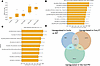 Figure 7
Ap-1 inhibitor T-5224 treatment of murine SuHx. (A) Pulmonary ventricular systolic pressure (PVSP) across experimental groups. Box plots show the distribution of PVSP values. Boxes indicate the IQR, with the horizontal line representing the median. Whiskers denote the range excluding outliers. (B) Pathways (FDRs as indicated) implicated in SuHx by GSEA of differentially regulated genes comparing SuHx with WT ECs (Padj < 0.05). (C) Pathways downregulated by T-5224 in SuHx (FDRs as indicated). GSEA of differentially regulated genes comparing SuHx T-5224 with SuHx ECs (Padj < 0.05). (D) Genes showing overlapping upregulated expression in Fosl2tg, SuHx, and SSc-ILD ECs.
To further understand at a molecular level the effect of T-5224 on PAH, we examined EC gene expression by scRNA-Seq. A total of 45,153 cells from WT (n = 2), HxPVP (n = 1), HxT-5224, HxSuPVP (n = 2), and HxSuT-5224 (n = 1) mice were sequenced and clustered, and the cell clusters were identified as above (cell counts/cluster provided in Supplemental Table 10). SuHx profoundly altered EC gene expression, showing upregulated expression of 1,610/8,354 detected genes (Padj < 0.05 and log2FC > 0.25). GSEA indicated that SuHx increased MTORC1, P53, Myc targets, epithelial-mesenchymal transition, and other GSEA Hallmark pathways (Figure 7B). In contrast, using the same criteria, only 55 genes upregulated in SuHx mice were inhibited in SuHx mice treated with T-5224. Although this suggested that T-5224 had a relatively modest effect on EC gene expression, the pathways affected by T-5224 strongly overlapped, downregulating the same 4 top pathways upregulated by SuHx (Figure 7C). These observations suggest that T-5224 partially reverses the molecular changes in ECs induced by SuHx.
Overlapping EC genes between Fosl2tg and SuHx. Since we would anticipate that the SuHx model might be less dependent on AP-1 than the Fosl2tg model, we examined the relationship between the SuHx and Fosl2tg models and compared both with SSc-ILD-PAH. Upregulated genes in ECs from SuHx mice (Padj < 0.05 and log2FC > 0.25; 1,610 genes) largely overlapped 479 genes (hypergeometric P value: 2.36 × 10⁻²⁸) upregulated in ECs from Fosl2tg mice (Padj < 0.05 and log2FC > 0.25; 1,947 genes). However, there were also significant differences in gene expression comparing the 2 models (Figure 7D).
Overlapping genes between Fosl2tg, SuHx, and SSc-ILD-PH. Reasoning that genes consistently regulated in PAH models are more likely key to pathogenesis, we compared EC genes regulated in these 2 models with SSc-ILD-PAH. Both models showed strong, highly significant overlap with altered gene expression in SSc-ILD-PH versus healthy control lung ECs: 104 genes overlapped between the 2 models and SSc-ILD-PH (Monte Carlo simulation P = 0.0013, Supplemental Table 15). Both models in parallel with SSc-ILD-PH showed upregulated expression of Edn1, Jam2, Jag2, Pdgfd, and Fosl2. Even more genes in each model showed highly significant overlap with SSc-ILD-PH versus healthy controls (231 genes discretely upregulated in SuHx and 235 genes discretely upregulated in Fosl2tg mice compared with WT), suggesting significant differences between the way these models affect pulmonary vascular disease.
To minimize challenges related to multiple comparisons, we selected 4 genes upregulated in Fosl2tg SuHx mice and SSc-ILD-PH (Supplemental Table 15) based on their roles in vascular biology, Edn1, Pdgfd, Jag2, and Jam2, and examined the relationship between their expression and the pretransplant mean pulmonary artery pressure of the lung explants. Of these genes, only Jag2 showed a trend toward correlating with the patient mean pulmonary artery pressure (r = 0.61, nominal P value = 0.08).
Hypoxia-regulated genes differ from Fosl2tg-regulated EC genes. To test the role of hypoxia in Fosl2tg mice, we compared EC gene expression in Fosl2tg lungs showing minimal fibrosis with mice treated with hypoxia. Prefibrotic Fosl2tg mice did not show a significant GSEA Hallmark hypoxia pathway or significant hypergeometric overlap in gene expression with Hx-treated mice, whereas Hx-treated mice did show the Hallmark hypoxic pathway (Supplemental Table 17). Collectively, these studies do not support hypoxia as the main driver of altered EC gene expression in Fosl2tg mice early in the disease. In addition, we did not see evidence in ChomeVAR or ChromBPNet for altered HIF1a binding (data not shown). However, a subset of genes regulated in SSc-ILD-PH strongly overlapped with EC genes regulated in Hx-treated mice (Supplemental Table 16, 37 upregulated and 35 downregulated genes, Padj < 0.05, log2FC > |0.25|, hypergeometric P value: 3.2 × 10⁻²¹).
Elucidating the epigenomic landscape of FOSL2-overexpressing primary ECs. To evaluate the effects of FOSL2 overexpression on primary vascular ECs, we isolated ECs from healthy control human lungs that were declined for transplantation (n = 2). To investigate the regulation of EC chromatin accessibility by FOSL2, we examined changes in lung ECs upon AdV-FOSL2 infection using ATAC-Seq. We used ChromBPnet (34) to correct for Tn5 enzyme bias and predict DNA accessibility at base-pair resolution to gain granular insight into the cis-elements regulated by FOSL2 overexpression at single base-pair resolution. We trained separate ChromBPnet models for bulk ATAC data generated from primary control and AdV-FOSL2–overexpressing ECs and pseudo-bulk single-cell ATAC data from healthy control and SSc-ILD-PH vascular ECs. Using the ChromBPnet models, we extracted a base-level contribution score of each nucleotide and implemented TF-MoDISco (35) to identify motifs and their associated seqlets (motifs with high absolute attribution scores).
TF-MoDISco identified the FOS:JUN(AP-1) motif as exhibiting an increased number of seqlets in FOSL2-overexpressing ECs and in SSc-ILD-PH vascular ECs (Figure 8, A and B). We then extracted all the FOS:JUN(AP-1) motif seqlets (TGAGTCA) and their respective contribution scores from our ATAC-Seq data and clustered them to find changes in contribution scores between primary control and FOSL2-overexpressing ECs and healthy control and SSc-ILD-PH vascular ECs (Figure 8C). Cluster 4 identified genomic regions with the same FOS:JUN(AP-1) motif showing increased contribution scores in both SSc-ILD-PH vascular ECs and FOSL2-overexpressing primary ECs. This enabled us to identify regions that have similar changes in AP-1 binding due to disease (SSc-ILD-PH) and FOSL2 overexpression in ECs. Examining genomic regions that had the highest differences in their contribution scores between primary control and FOSL2-overexpressing ECs and healthy control and SSc-ILD-PH vascular ECs highlighted regions in the ETS1, BMP4, TFEB, and ITGA2 genes (Figure 9A). SSc-ILD-PH ECs also showed upregulated expression of these genes (Figure 9A). The GO biological process associated with genes closest to FOS:JUN(AP-1) seqlets in cluster 4 pointed to integrin-mediated signaling pathway, regulation of angiogenesis, and extracellular matrix disassembly (Figure 9B).
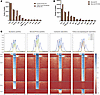 Figure 8
ChromBPNet identified FOS:JUN (AP-1) motifs to be expressed in SSc-ILD-PH and FOSL2 overexpressing ECs. (A and B) TF-MoDISco output on the number of seqlets identified from bulk ATAC data on primary control and FOSL2-overexpressing ECs (A), and single-cell ATAC data from healthy control and SSC-ILD-PH patient ECs (B). (C) Heatmap to observe contribution scores/genomic regions of AP-1 seqlets and nearby regions (± 30 base pair). Each row here is a specific genomic region with the AP-1 seqlet in the center. Each column is a contribution score associated with a particular nucleotide in the region. Cluster 4 has differences in contribution scores between single-cell ATAC healthy control and SSc-ILD-PH ECs, and primary control and FOSL2-overexpressing ECs, respectively.
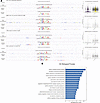 Figure 9
Parallel AP-1 binding in SSc-ILD-PH and FOSL2-overexpressing endothelial cells. (A) Genome browser visualization of FOS:JUN (AP-1) seqlets from genomic regions with highest difference in contribution scores from healthy control and SSc-ILD-PH ECs, and primary control and FOSL2-overexpressing ECs. RNA expression of nearest gene to the genomic region is indicated to the right. (B) GO biological processes associated with genomic regions in cluster 4.
In addition to these upregulated genes, we looked specifically at BMPR2 due to its genetic association with familial PAH and its consistently downregulated expression in SSc-ILD-PH and murine models of PAH. We noted 2 adjacent consensus AP-1 motifs showing increased binding in the BMPR2 first intron and increased binding upon FOSL2 overexpression, suggesting that FOSL2 might downregulate BMPR2 and other genes in certain contexts (Supplemental Figure 7).


