
Research ArticleGeneticsOphthalmology
Open Access |  10.1172/jci.insight.194681
Splicing variants in MYRF cause partial loss of function in the retinal pigment epithelium leading to nanophthalmos
Gabrielle M. Rozumek,1,2 Michelle L. Brinkmeier,3 Bin Guan,4 Su Qing Wang,1 Catherine Tower,3 Nina T. Yang,1 Rachel S. Lim,1 Dejuan Kong,1 Daniel Soden,1 Qitao Zhang,1 John Y.S. Han,1 Jason M.L. Miller,1,5 Lijin Dong,4 D. Ford Hannum,1 Sayoko E. Moroi,5,6 Julia E. Richards,1,7 Robert B. Hufnagel,4,8 and Lev Prasov1,3
1Department of Ophthalmology and Visual Sciences,
2Department of Pathology, and
3Department of Human Genetics, University of Michigan, Ann Arbor, Michigan, USA.
4National Eye Institute, NIH, Bethesda, Maryland, USA.
5Cellular and Molecular Biology Program, University of Michigan, Ann Arbor, Michigan, USA.
6Department of Ophthalmology and Visual Sciences, The Ohio State University, Columbus, Ohio, USA.
7Department of Epidemiology, The University of Michigan, Ann Arbor, Michigan, USA.
8Center for Integrated Healthcare Research, Kaiser Permanente Hawaii, Honolulu, Hawaii, USA.
Authorship note: GMR and MLB contributed equally to this work.
Find articles by Rozumek, G. in: PubMed | Google Scholar
1Department of Ophthalmology and Visual Sciences,
2Department of Pathology, and
3Department of Human Genetics, University of Michigan, Ann Arbor, Michigan, USA.
4National Eye Institute, NIH, Bethesda, Maryland, USA.
5Cellular and Molecular Biology Program, University of Michigan, Ann Arbor, Michigan, USA.
6Department of Ophthalmology and Visual Sciences, The Ohio State University, Columbus, Ohio, USA.
7Department of Epidemiology, The University of Michigan, Ann Arbor, Michigan, USA.
8Center for Integrated Healthcare Research, Kaiser Permanente Hawaii, Honolulu, Hawaii, USA.
Authorship note: GMR and MLB contributed equally to this work.
Find articles by Brinkmeier, M. in: PubMed | Google Scholar
1Department of Ophthalmology and Visual Sciences,
2Department of Pathology, and
3Department of Human Genetics, University of Michigan, Ann Arbor, Michigan, USA.
4National Eye Institute, NIH, Bethesda, Maryland, USA.
5Cellular and Molecular Biology Program, University of Michigan, Ann Arbor, Michigan, USA.
6Department of Ophthalmology and Visual Sciences, The Ohio State University, Columbus, Ohio, USA.
7Department of Epidemiology, The University of Michigan, Ann Arbor, Michigan, USA.
8Center for Integrated Healthcare Research, Kaiser Permanente Hawaii, Honolulu, Hawaii, USA.
Authorship note: GMR and MLB contributed equally to this work.
Find articles by
Guan, B.
in:
PubMed
|
Google Scholar
|

1Department of Ophthalmology and Visual Sciences,
2Department of Pathology, and
3Department of Human Genetics, University of Michigan, Ann Arbor, Michigan, USA.
4National Eye Institute, NIH, Bethesda, Maryland, USA.
5Cellular and Molecular Biology Program, University of Michigan, Ann Arbor, Michigan, USA.
6Department of Ophthalmology and Visual Sciences, The Ohio State University, Columbus, Ohio, USA.
7Department of Epidemiology, The University of Michigan, Ann Arbor, Michigan, USA.
8Center for Integrated Healthcare Research, Kaiser Permanente Hawaii, Honolulu, Hawaii, USA.
Authorship note: GMR and MLB contributed equally to this work.
Find articles by Wang, S. in: PubMed | Google Scholar
1Department of Ophthalmology and Visual Sciences,
2Department of Pathology, and
3Department of Human Genetics, University of Michigan, Ann Arbor, Michigan, USA.
4National Eye Institute, NIH, Bethesda, Maryland, USA.
5Cellular and Molecular Biology Program, University of Michigan, Ann Arbor, Michigan, USA.
6Department of Ophthalmology and Visual Sciences, The Ohio State University, Columbus, Ohio, USA.
7Department of Epidemiology, The University of Michigan, Ann Arbor, Michigan, USA.
8Center for Integrated Healthcare Research, Kaiser Permanente Hawaii, Honolulu, Hawaii, USA.
Authorship note: GMR and MLB contributed equally to this work.
Find articles by Tower, C. in: PubMed | Google Scholar
1Department of Ophthalmology and Visual Sciences,
2Department of Pathology, and
3Department of Human Genetics, University of Michigan, Ann Arbor, Michigan, USA.
4National Eye Institute, NIH, Bethesda, Maryland, USA.
5Cellular and Molecular Biology Program, University of Michigan, Ann Arbor, Michigan, USA.
6Department of Ophthalmology and Visual Sciences, The Ohio State University, Columbus, Ohio, USA.
7Department of Epidemiology, The University of Michigan, Ann Arbor, Michigan, USA.
8Center for Integrated Healthcare Research, Kaiser Permanente Hawaii, Honolulu, Hawaii, USA.
Authorship note: GMR and MLB contributed equally to this work.
Find articles by Yang, N. in: PubMed | Google Scholar
1Department of Ophthalmology and Visual Sciences,
2Department of Pathology, and
3Department of Human Genetics, University of Michigan, Ann Arbor, Michigan, USA.
4National Eye Institute, NIH, Bethesda, Maryland, USA.
5Cellular and Molecular Biology Program, University of Michigan, Ann Arbor, Michigan, USA.
6Department of Ophthalmology and Visual Sciences, The Ohio State University, Columbus, Ohio, USA.
7Department of Epidemiology, The University of Michigan, Ann Arbor, Michigan, USA.
8Center for Integrated Healthcare Research, Kaiser Permanente Hawaii, Honolulu, Hawaii, USA.
Authorship note: GMR and MLB contributed equally to this work.
Find articles by Lim, R. in: PubMed | Google Scholar
1Department of Ophthalmology and Visual Sciences,
2Department of Pathology, and
3Department of Human Genetics, University of Michigan, Ann Arbor, Michigan, USA.
4National Eye Institute, NIH, Bethesda, Maryland, USA.
5Cellular and Molecular Biology Program, University of Michigan, Ann Arbor, Michigan, USA.
6Department of Ophthalmology and Visual Sciences, The Ohio State University, Columbus, Ohio, USA.
7Department of Epidemiology, The University of Michigan, Ann Arbor, Michigan, USA.
8Center for Integrated Healthcare Research, Kaiser Permanente Hawaii, Honolulu, Hawaii, USA.
Authorship note: GMR and MLB contributed equally to this work.
Find articles by Kong, D. in: PubMed | Google Scholar
1Department of Ophthalmology and Visual Sciences,
2Department of Pathology, and
3Department of Human Genetics, University of Michigan, Ann Arbor, Michigan, USA.
4National Eye Institute, NIH, Bethesda, Maryland, USA.
5Cellular and Molecular Biology Program, University of Michigan, Ann Arbor, Michigan, USA.
6Department of Ophthalmology and Visual Sciences, The Ohio State University, Columbus, Ohio, USA.
7Department of Epidemiology, The University of Michigan, Ann Arbor, Michigan, USA.
8Center for Integrated Healthcare Research, Kaiser Permanente Hawaii, Honolulu, Hawaii, USA.
Authorship note: GMR and MLB contributed equally to this work.
Find articles by Soden, D. in: PubMed | Google Scholar
1Department of Ophthalmology and Visual Sciences,
2Department of Pathology, and
3Department of Human Genetics, University of Michigan, Ann Arbor, Michigan, USA.
4National Eye Institute, NIH, Bethesda, Maryland, USA.
5Cellular and Molecular Biology Program, University of Michigan, Ann Arbor, Michigan, USA.
6Department of Ophthalmology and Visual Sciences, The Ohio State University, Columbus, Ohio, USA.
7Department of Epidemiology, The University of Michigan, Ann Arbor, Michigan, USA.
8Center for Integrated Healthcare Research, Kaiser Permanente Hawaii, Honolulu, Hawaii, USA.
Authorship note: GMR and MLB contributed equally to this work.
Find articles by Zhang, Q. in: PubMed | Google Scholar
1Department of Ophthalmology and Visual Sciences,
2Department of Pathology, and
3Department of Human Genetics, University of Michigan, Ann Arbor, Michigan, USA.
4National Eye Institute, NIH, Bethesda, Maryland, USA.
5Cellular and Molecular Biology Program, University of Michigan, Ann Arbor, Michigan, USA.
6Department of Ophthalmology and Visual Sciences, The Ohio State University, Columbus, Ohio, USA.
7Department of Epidemiology, The University of Michigan, Ann Arbor, Michigan, USA.
8Center for Integrated Healthcare Research, Kaiser Permanente Hawaii, Honolulu, Hawaii, USA.
Authorship note: GMR and MLB contributed equally to this work.
Find articles by Han, J. in: PubMed | Google Scholar
1Department of Ophthalmology and Visual Sciences,
2Department of Pathology, and
3Department of Human Genetics, University of Michigan, Ann Arbor, Michigan, USA.
4National Eye Institute, NIH, Bethesda, Maryland, USA.
5Cellular and Molecular Biology Program, University of Michigan, Ann Arbor, Michigan, USA.
6Department of Ophthalmology and Visual Sciences, The Ohio State University, Columbus, Ohio, USA.
7Department of Epidemiology, The University of Michigan, Ann Arbor, Michigan, USA.
8Center for Integrated Healthcare Research, Kaiser Permanente Hawaii, Honolulu, Hawaii, USA.
Authorship note: GMR and MLB contributed equally to this work.
Find articles by Miller, J. in: PubMed | Google Scholar
1Department of Ophthalmology and Visual Sciences,
2Department of Pathology, and
3Department of Human Genetics, University of Michigan, Ann Arbor, Michigan, USA.
4National Eye Institute, NIH, Bethesda, Maryland, USA.
5Cellular and Molecular Biology Program, University of Michigan, Ann Arbor, Michigan, USA.
6Department of Ophthalmology and Visual Sciences, The Ohio State University, Columbus, Ohio, USA.
7Department of Epidemiology, The University of Michigan, Ann Arbor, Michigan, USA.
8Center for Integrated Healthcare Research, Kaiser Permanente Hawaii, Honolulu, Hawaii, USA.
Authorship note: GMR and MLB contributed equally to this work.
Find articles by
Dong, L.
in:
PubMed
|
Google Scholar
|
1Department of Ophthalmology and Visual Sciences,
2Department of Pathology, and
3Department of Human Genetics, University of Michigan, Ann Arbor, Michigan, USA.
4National Eye Institute, NIH, Bethesda, Maryland, USA.
5Cellular and Molecular Biology Program, University of Michigan, Ann Arbor, Michigan, USA.
6Department of Ophthalmology and Visual Sciences, The Ohio State University, Columbus, Ohio, USA.
7Department of Epidemiology, The University of Michigan, Ann Arbor, Michigan, USA.
8Center for Integrated Healthcare Research, Kaiser Permanente Hawaii, Honolulu, Hawaii, USA.
Authorship note: GMR and MLB contributed equally to this work.
Find articles by Hannum, D. in: PubMed | Google Scholar
1Department of Ophthalmology and Visual Sciences,
2Department of Pathology, and
3Department of Human Genetics, University of Michigan, Ann Arbor, Michigan, USA.
4National Eye Institute, NIH, Bethesda, Maryland, USA.
5Cellular and Molecular Biology Program, University of Michigan, Ann Arbor, Michigan, USA.
6Department of Ophthalmology and Visual Sciences, The Ohio State University, Columbus, Ohio, USA.
7Department of Epidemiology, The University of Michigan, Ann Arbor, Michigan, USA.
8Center for Integrated Healthcare Research, Kaiser Permanente Hawaii, Honolulu, Hawaii, USA.
Authorship note: GMR and MLB contributed equally to this work.
Find articles by Moroi, S. in: PubMed | Google Scholar
1Department of Ophthalmology and Visual Sciences,
2Department of Pathology, and
3Department of Human Genetics, University of Michigan, Ann Arbor, Michigan, USA.
4National Eye Institute, NIH, Bethesda, Maryland, USA.
5Cellular and Molecular Biology Program, University of Michigan, Ann Arbor, Michigan, USA.
6Department of Ophthalmology and Visual Sciences, The Ohio State University, Columbus, Ohio, USA.
7Department of Epidemiology, The University of Michigan, Ann Arbor, Michigan, USA.
8Center for Integrated Healthcare Research, Kaiser Permanente Hawaii, Honolulu, Hawaii, USA.
Authorship note: GMR and MLB contributed equally to this work.
Find articles by Richards, J. in: PubMed | Google Scholar
1Department of Ophthalmology and Visual Sciences,
2Department of Pathology, and
3Department of Human Genetics, University of Michigan, Ann Arbor, Michigan, USA.
4National Eye Institute, NIH, Bethesda, Maryland, USA.
5Cellular and Molecular Biology Program, University of Michigan, Ann Arbor, Michigan, USA.
6Department of Ophthalmology and Visual Sciences, The Ohio State University, Columbus, Ohio, USA.
7Department of Epidemiology, The University of Michigan, Ann Arbor, Michigan, USA.
8Center for Integrated Healthcare Research, Kaiser Permanente Hawaii, Honolulu, Hawaii, USA.
Authorship note: GMR and MLB contributed equally to this work.
Find articles by Hufnagel, R. in: PubMed | Google Scholar
1Department of Ophthalmology and Visual Sciences,
2Department of Pathology, and
3Department of Human Genetics, University of Michigan, Ann Arbor, Michigan, USA.
4National Eye Institute, NIH, Bethesda, Maryland, USA.
5Cellular and Molecular Biology Program, University of Michigan, Ann Arbor, Michigan, USA.
6Department of Ophthalmology and Visual Sciences, The Ohio State University, Columbus, Ohio, USA.
7Department of Epidemiology, The University of Michigan, Ann Arbor, Michigan, USA.
8Center for Integrated Healthcare Research, Kaiser Permanente Hawaii, Honolulu, Hawaii, USA.
Authorship note: GMR and MLB contributed equally to this work.
Find articles by Prasov, L. in: PubMed | Google Scholar
Published February 26, 2026 - More info
JCI Insight. 2026;11(6):e194681. https://doi.org/10.1172/jci.insight.194681.
© 2026 Rozumek et al. This work is licensed under the Creative Commons Attribution 4.0 International License. To view a copy of this license, visit http://creativecommons.org/licenses/by/4.0/.
Received: April 22, 2025; Accepted: February 4, 2026


-
Introduction
Myelin regulatory factor (MYRF) is a membrane-associated transcription factor initially identified for its role in oligodendrocyte maturation and myelination (1). It is a type II transmembrane protein that homotrimerizes in the endoplasmic reticulum (ER) lumen and autocleaves to release an N-terminal fragment that translocates to the nucleus and acts as a transcriptional activator (2). More recently, pathogenic variants in MYRF have been associated with an ocular-cardiac-urogenital syndrome featuring congenital heart defects, diaphragmatic hernias, pulmonary hypoplasia, genital abnormalities, and high hyperopia (3–7). MYRF variants have also been described in isolated nanophthalmos, an ocular disease featuring a small but structurally normal eye, with resulting extreme farsightedness (hyperopia). C-terminal frameshift variants have been identified in multiple large pedigrees with predominantly isolated nanophthalmos, suggesting a unique role for the MYRF C-terminus in the eye (8, 9). However, it is not clear why some variants in MYRF result in isolated ocular disease while others produce syndromic phenotypes.
In the eye, MYRF is predominantly and highly expressed in the developing and mature retinal pigment epithelium (RPE) (8, 10). Conditional loss of mouse Myrf in the eye leads to defects in RPE development and retinal degeneration in mice, with perturbations in TGF-β/BMP signaling, pigmentation, cell structure, and cell viability (10). Although the mouse models of Myrf show disparate phenotypes compared with patients, they are invaluable for understanding retinal disease pathogenesis in vivo (8, 11, 12).
Two large nanophthalmos families have been reported with genetic changes that lead to the same C-terminal frameshift mutation in MYRF causing a 31–amino acid extension in the last exon (8, 9). Interestingly, a cluster of patients with pathogenic variants located in the conserved C2 domain manifest with predominantly ocular diseases (Figure 1) (13). While the functional consequences of variants in the DNA binding domain (DBD) and intramolecular chaperone autocleavage (ICA) domain have been well studied (14, 15), there has been little to no progress on understanding the function or importance of the ER-resident, conserved C2 domain.
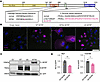 Figure 1
Processing of C-terminal MYRF variant in vitro. (A) Diagram of amino acid changes in WT-MYRF, dG-MYRF, and cleavage deficient variant V679A-MYRF. ProRich, proline rich; DBD, DNA binding domain; ICA, intramolecular chaperone auto-processing; TM, transmembrane; C2, C-terminal. (B) Localization of FLAG-tagged MYRF constructs in ARPE-19 cells show normal nuclear localization of dG-MYRF (n = 3). Scale bar: 50 μm. (C) Western blot of transfected ARPE-19 cells shows no change in cleavage of N-terminal fragment (n = 3). (D) qPCR analysis of RNA from ARPE-19 cells transduced with dG-MYRF, compared with WT-MYRF show decreased levels of transcripts for total Myrf and endogenous Tmem98 mRNA (n = 3) by Student’s t test. *P < 0.05, **P < 0.01.
Toward that end, we generated a humanized mouse model of the C-terminal Myrf variant and performed in vitro functional assays in RPE cell lines and primary human RPE cultures to better understand the molecular mechanism by which C-terminal extension alleles cause disease. Furthermore, we identified 2 additional rare splice site variants in MYRF in families with isolated nanophthalmos, supporting this as a more common mechanism for disease pathogenesis. Together, our studies support that partial loss-of-function alleles in MYRF contribute to isolated nanophthalmos and provide mechanistic insights into the role of the MYRF C2 domain.
-
Results
C-terminal MYRF variant is processed normally but shows decreased stability and transcriptional activity. C-terminal MYRF variants and splicing variants are associated with predominantly ocular phenotypes and have familial inheritance, while early truncating and ICA and DBD variants are associated with syndromic phenotypes and predominantly occur de novo (9, 13, 15–17). Given this discrepancy, the C-terminal frameshift alleles could act as dominant negative or hypomorphic alleles. To distinguish these models, we evaluated localization, cleavage, and protein stability of the C-terminal variant in vitro in the ARPE-19 human RPE-like cells. When overexpressed with lentiviral vectors, both WT MYRF and C-terminal frameshift MYRF (dG-MYRF) (p.Gly1126fs30*) showed nuclear localization, while a known cleavage-deficient mutant V679A-MYRF (14) displayed only cytoplasmic localization and was excluded from the nucleus (Figure 1, A and B). Since homotrimerization at the ER lumen is necessary for cleavage of the N-terminal MYRF fragment and its subsequent translocation to the nucleus (1, 2, 18, 19), our results support a model in which dG-MYRF can homotrimerize and cleave.
To further evaluate this, we used Western blotting to systematically define the cleavage dynamics (ratio of full length/cleaved) of the dG-MYRF variant compared with WT-MYRF in ARPE-19 cells. We observed faint bands for full-length FLAG-MYRF (160 kDa) in both WT-MYRF and dG-MYRF and strong transcriptionally active N-MYRF cleavage products (~70 kDa). In contrast, the cleavage-deficient mutant, V679A-MYRF, shows 1 strong full-length MYRF band (Figure 1C). Given normal cleavage and localization, we next evaluated protein stability through computational tools examining degree of disorder Predictor of Natural Disordered Regions (PONDR) and protein folding (AlphaFold2) (20–23). PONDR uses neural networks trained on ordered and disordered regions of short and/or long regions of amino acid sequences from NMR or x-ray crystallography data to predict intrinsic disordered regions. PONDR analysis predicted that dG-MYRF alters the C-terminus from a highly ordered to a highly disordered structure (Supplemental Figure 1A; supplemental material available online with this article; https://doi.org/10.1172/jci.insight.194681DS1). De novo structural modeling using AlphaFold2 predicted the loss of a β-sheet and alpha-helix structure in the conserved C2 domain of the C-terminal frameshift variant of MYRF (Supplemental Figure 1, B and C). To experimentally validate this, cycloheximide pulse-chase experiments were conducted in ARPE-19 cells transduced with WT-MYRF and dG-MYRF. Protein extracts were analyzed by Western blotting using antibodies to the N-terminus or C-terminus of MYRF. The rates of decay of the C-terminal and N-terminal MYRF cleavage product were unchanged in the dG-MYRF variant following a 24-hour chase (Supplemental Figure 2A). However, steady state levels of C-terminal cleavage product for dG-MYRF were reduced compared with WT (Supplemental Figure 2, B and C). This was unlikely due to reduced epitope detection because the antibody was raised to an epitope present in both forms of MYRF (anti-MYRF393-766AA) (1), and the C2 domain is predicted to fold independently.
To evaluate the functional effect of the dG-MYRF variant on transcriptional activity, we tested the ability of dG-MYRF to autoregulate MYRF transcription and its downstream target TMEM98 using qPCR, as compared with an internal transduction GFP control, present in each of the constructs. ARPE-19 cells transduced with dG-MYRF showed decreased levels of endogenous MYRF and TMEM98 mRNA expression (relative to GFP) as compared with WT-MYRF (Figure 1D).
To evaluate whether RPE differentiation state and polarization alter cleavage dynamics of MYRF, we repeated key ARPE-19 experiments in primary human RPE cultures grown on microporous supports, as described previously (24). We again observed normal localization and cleavage of virally transduced WT-MYRF and dG-MYRF primary RPE cultures (Figure 2, A–D). Additionally, transepithelial electrical resistance (TEER) was measured as a proxy for barrier function and overall cell health since we have previously demonstrated the close relationship between assays for cell toxicity and declines in TEER in primary RPE cultures (25). We observed no difference in TEER in primary RPE transduced with Empty Vector, WT-MYRF, or dG-MYRF 1 week after transduction compared with the same well before transduction (Figure 2E). Overall, the results obtained in the ARPE-19 cell line were consistent with results seen in mature and polarized human primary RPE cultures, demonstrating the dG-MYRF variant does not affect localization, processing, barrier function, or overall cell health but seems to reduce transcriptional activation function of MYRF.
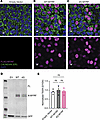 Figure 2
Processing and functional studies of C-terminal MYRF variant in human primary RPE. (A–C) Localization of FLAG-tagged MYRF constructs in mature human primary RPE show normal nuclear localization of dG-MYRF. Scale bar: 5 μm. (D) Western blot of transduced human primary RPE cells shows no change in cleavage of N-terminal fragment. (E) Functional assessment of barrier function via TEER (normalized to pretransduction TEER value for each replicate) shows no significant difference in TEER 1 week after transduction with Empty Vector, WT-MYRF, or dG-MYRF by 1-way ANOVA (all experiments are 3 reps from n = 2 donors).
Mouse model of human C-terminal MYRF is prenatal lethal. In vitro analysis of the dG-MYRF variant (Figures 1 and 2) provided insight into the potential molecular mechanism of the patient variant MYRF p.Gly1126fs30*. To understand the pathogenesis of nanophthalmos in patients with the MYRF p.Gly1126fs30* variant, we used CRISPR/Cas9 homology–directed repair to generate a humanized mouse model that mimics the frameshift variant detected in patients, as well as a matched humanized WT control (Figure 3A). In this model, we replaced mouse exon 26 with either the human WT or human C-terminal frameshift exon 27 DNA sequence, including the endogenous-3′UTR sequence, and fused this with mouse exon 25 (Supplemental Figure 3). We previously showed that Myrf is highly expressed in RPE via qPCR of RNA from optic cups and RNAscope in situ hybridization (8, 10). To confirm proper cell specificity and expression of the humanized alleles of Myrf, we used a validated Myrf RNAscope probe to evaluate Myrf expression in MyrfhumdG/humdG and MyrfhumWT/humWT eyes at E15.5. These studies showed consistent Myrf expression pattern and levels among MyrfhumWT/humWT and MyrfhumdG/humdG eyes within the RPE (Figure 3B). To further define the function of the dG allele, we first evaluated survival of MyrfhumdG/humdG embryos. We observed that homozygous MyrfhumdG/humdG embryos were never detected after birth, while MyrfhumWT/humWT mice were viable and fertile. MyrfhumdG/humdG embryos were present in normal Mendelian ratios at E12.5–E17.5 but underrepresented at E18.5 (χ2 prob = 0.015) and at birth (P0) (χ2 prob = 0.042) (Figure 3C).
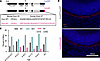 Figure 3
Homozygous Myrf humdG mice are embryonic lethal. (A) Schematic showing the (humdG) fusion allele amino acid sequence changes in the humanized mouse model. (B) In situ hybridization using RNAscope detected Myrf mRNA in humanized humWT and humdG mouse RPE (n = 4–5 per genotype). Scale bar: 100 μm. (C) Progeny from intercrossing MyrfhumWT/humdG mice exhibit skewed Mendelian ratios at E18.5 (χ2 P = 0.015) and P0 (χ2 P = 0.002). E12.5–E14.5 (n = 35 mice from 4 litters), E15.5 (n = 24 mice from 3 litters), E16.5 (n = 26 mice from 3 litters), E17.5 (n = 44 mice from 5 litters), E18.5 (n = 24 mice from 3 litters), and P0 (n = 56 mice from 5 litters).
Analysis of ocular histology in E16.5 homozygous MyrfhumdG/humdG mice revealed normal pigmentation, which differed from the severe and early-onset depigmentation phenotype we observed in our RxCre;Myrffl/fl mice (Supplemental Figure 4) (8). Tmem98, a direct target of MYRF, is expressed at similar levels in control eyes (MyrfhumWT/humWT) and MyrfhumdG/humdG eyes at the RNA and protein level (Supplemental Figure 5) (8, 26). We cannot rule out the possibility that there are small expression differences not detected by the mRNA and immunostaining assays. However, the RxCre;Myrffl/fl eyes had profoundly reduced expression of Tmem98 (10). The lethality of MyrfhumdG/humdG mice confirm the pathogenicity of the C-terminal Myrf mutant allele, and the lack of obvious ocular defects suggest that it likely functions as a hypomorphic (partial loss-of-function allele) rather than null allele.
MyrfhumdG/+ have normal eye size, retinal and RPE morphology, and retinal function. The RxCre;Myrffl/+ mice had white spots in the retina and RxCre;Myrffl/fl mice had severe retinal degeneration, though no measurable eye size phenotype was observed in either genotype into early adulthood (8). We systematically profiled MyrfhumWT/+ and MyrfhumdG/+ mice over the course of 1 year to determine whether changes ocular dimensions, retinal structure, or function would emerge over time. Noninvasive imaging (SD-OCT and fundus photography) and electroretinography (ERG) were carried out on the same mice over the course of 1-year at 3-month intervals. After 1 year, MyrfhumdG/+ show no significant difference in eye size, axial length, corneal diameter, anterior chamber depth, or retinal thickness and only a modest decline in vitreous chamber depth compared with controls (0.53 ± 0.03 mm versus 0.50 ± 0.01 mm, P = 0.0342) (Figure 4, A–G). Additionally, scotopic and photopic ERGs showed no decrease in visual function, consistent with the SD-OCT findings of normal retinal thickness and morphology (Figure 4, H–J). Fundus photography showed little to no signs of atrophy after 1 year (Figure 4, B and C). To investigate for more subtle changes to RPE morphology similar to those that were evident in RxCre;Myrffl/fl eyes (8), RPE flatmounts were stained with phalloidin, segmented using REShAPE software (27), and evaluated for morphometric features (Supplemental Figure 6). These analyses reveal no differences in the median cell area (P = 0.899), aspect ratio (P = 0.847), or hexagonality (P = 0.7568) of 1-year-old MyrfhumdG/+ eyes compared with MyrfhumWT/+ controls. There was also no change in the median number of neighboring RPE cells between genotypes.
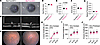 Figure 4
Heterozygous MyrfhumdG/+ mice show no gross morphological or retinal eye phenotype after 1 year. (A) Images of enucleated eyes showing similar eye size. Scale bar: 1 mm. (B) Spectral domain optical coherence tomography (SD-OCT) images showing no change in overall thickness or individual retinal layers with white lines representing measurements for vitreous chamber depth (VCD) and retinal thickness. (C) Fundus photographs showing no signs of retinal white spots in MyrfhumdG/+ (pink) compared with controls (black). (D–G) Quantitative assessment of eye size (D), VCD (E), anterior chamber depth (F), and retinal thickness (G) by Student’s t test. (H–J) Retinal function measured by scotopic electroretinogram (ERG) (H and I) and photopic ERG (J) showed no differences (n = 6–8 per genotype). Scale bar: 1 mm.
To evaluate for more subtle transcriptomic changes in MyrfhumdG/+ compared with WT mice, we performed qPCR in P21 adult mouse optic cups including the retina and RPE (n = 4–9 pairs of eyes per genotype). In agreement with the lack of phenotypic changes in these mice, we found no significant differences in gene expression between Myrf+/+ and MyrfhumdG/+ mice in key RPE genes and previously defined MYRF target genes (10) including Mitf, Ermn, Myrf, Sox10, or Tmem98 (Supplemental Figure 7). Together, these results suggest that, at both histologic and the molecular level, MyrfhumdG/+ mice are similar to their matched controls.
To determine the contribution to disease pathogenesis of the Myrf humdG allele, we generated RxCre;MyrfhumWT/humWT, RxCre;MyrfflhumWT, and RxCre;Myrffl/humdG mice for observational studies over a 6-month period to see the effect of the humdG allele on a sensitized background with 1 allele of Myrf missing (Supplemental Figure 8), but the numbers were limited due to poor breeding and survival (n = 4 eyes, 2 mice per genotype). Despite limited sample size, the effect was so severe that it was clear that RxCre;Myrffl/humdG showed signs of RPE degeneration compared with RxCre;MyrfhumWT/humWT and RxCre;Myrffl/humWT controls as early as 2 months and more strikingly by 6 months (Supplemental Figure 8A). In addition, RxCre;Myrffl/humdG mice showed significant reduction in vitreous chamber depth at 4 months (0.4 ± 0.2 mm) versus RxCre;Myrffl/humWT (0.54 ± 0.01 mm, P = 0.0163) and RxCre;MyrfhumWT/humWT (0.525 ± 0.008 mm, P = 0.0106), and 6 months (0.38 ± 0.03 mm) versus RxCre;Myrffl/humWT (0.486 ± 0.005 mm, P = 0.0130) and RxCre;MyrfhumWT/humWT (0.54 ± 0.01 mm, P = 0.0013) (Supplemental Figure 8, B and D). No differences were observed between genotypes in total retinal thickness or overall eye size (Supplemental Figure 8, E and F). In addition to anatomical changes, we observed molecular changes such as mislocalization of a partner protein TMEM98 in 6-month-old RPE flat mounts from RxCre;Myrffl/humdG mice, which was not seen in controls (Supplemental Figure 8C). These data support the Myrf humdG allele as a partial loss-of-function allele.
Single-cell RNA-seq shows altered RPE gene regulatory networks in MyrfhumdG/humdG eyes. To better understand how the C-terminal MYRF variant affects eye development, we performed single-cell RNA-seq (scRNA-seq) on E17.5 optic cups of MyrfhumWT/humWT and MyrfhumdG/humdG mice using the 10X genomics platform (Figure 5A). We chose E17.5, as it is occurs after our RPE pigmentation phenotype (E15.5) is observed in RxCre;Myrffl/fl mice (10) and just before Mendelian ratios become skewed at E18.5. We collected 11,281 and 11,322 cells for MyrfhumWT/humWT and MyrfhumdG/humdG, respectively. The median genes per cell were comparable in WT (2,429) and variant (2,415) samples. Quality control filtering was performed to filter out dead cells, doublets, and poor-quality cells (10). After integration with previously published datasets from conditional KO Myrf eyes (RxCre;Myrffl/fl and Myrffl/fl) at E15.5 and P0, we performed unsupervised clustering and were able to identify 19 clusters, including all the major cell types within the optic cup using previously established cell type–specific markers (Supplemental Figure 9) (10). All clusters were present in both the MyrfhumWT/humWT and MyrfhumdG/humdG mice (Figure 5B), but there was a slight reduction in the RPE cell proportions in MyrfhumdG/humdG mice (5.0%) compared with control (6.4%) (Supplemental Figure 9, C and D).
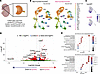 Figure 5
scRNA-seq reveals molecular changes in RPE of mice carrying C-terminal Myrf Allele (MyrfhumdG/humdG). (A) Schematic depicting optic cups and samples used for scRNA-seq including control and variant mouse optic cups (n = 3 pooled per genotype). (B) UMAPs of control versus Myrf C-terminal variant mouse optic cups demonstrating cell type distributions. (C) Feature plot demonstrating expression of Myrf mRNA in both control and variant mice within the RPE cluster. (D) Volcano plot of differentially expressed genes in MyrfhumdG/humdG mice compared with control (MyrfhumWT/humWT). DEGs were defined by a Bonferroni Padj < 0.1. (E) Top 10 Gene Ontology (GO) Biological Pathway terms for upregulated and downregulated genes.
Myrf expression was detected exclusively in the RPE cluster (Figure 5C), consistent with previous results, leading us to focus our downstream analysis on the RPE cluster. We performed differential gene expression (DEG) analysis between MyrfhumWT/humWT and MyrfhumdG/humdG RPE clusters. We found 735 upregulated and 170 downregulated differentially DEGs with avg_log2FC > ± 0.25 and Padj ≤ 0.1 (Figure 5D), MyrfhumdG/humdG relative to MyrfhumWT/humWT controls. Downregulated genes included extracellular matrix–related (ECM-related) genes Col3a1, Col2a1, Col1a1, and Col1a2 produced by the RPE that play an important role in structure and barrier maintenance (28). Interestingly, some of the most downregulated genes in the variant mice are related to eye size disorders including Serpine3 (avg_log2FC = –1.11, Padj = 2.76E-14), Ankfn1 (avg_log2FC = –1.138, Padj = 2.72 × 10⁻⁹), and Kcnq5 (avg_log2FC = –0.81, Padj=6.39 × 10⁻⁵) (29–33). Upregulated genes included cell cycle genes Ccnd1 and Cdk8, histone variant components H3f3b (avg_log2FC = 0.71, Padj = 3.69 × 10⁻³⁴) and H3f3a (avg_log2FC = 0.56, Padj = 3.30 × 10⁻²³), and ubiquitin protein ligase binding genes Tubb5, Ubb (avg_log2FC = 0.59, Padj = 2.32 × 10⁻²⁷), Tuba1a (avg_log2FC = 0.32, Padj = 0.03). We used overrepresentation analysis (ORA) to identify the top 10 gene ontology terms for Biological Processes and molecular function pathways in humanized variant mice (MyrfhumdG/humdG) and conditional KO (RxCre;Myrffl/fl) relative to their matched controls (MyrfhumWT/humWT and Myrffl/fl). We looked for overlap in top GO terms enriched in MyrfhumdG/humdG and condition KO compared with controls and found shared downregulation of ECM organization (GO:0030198) and extracellular structural organization (GO:0043062). In addition, shared upregulated pathways included structural constituent of ribosome (GO:0003735), structural molecule activity (GO:0005198), rRNA binding (GO:0019843), and translation (GO:0006412) (Figure 5E). Furthermore, GO analysis identified many upregulated pathways in both humanized and KO mice related to metabolism, mitochondrial, and ribosomal function. Thus, the humanized C-terminal variant mutant (MyrfhumdG/humdG) resulted in RPE transcriptome changes similar to the conditional KO (RxCre;Myrffl/fl), including key pathways involved in RPE maintenance and development.
We extended the DEG analysis of the humanized C-terminal variant allele (MyrfhumdG/humdG) and conditional KO (RxCre;Myrffl/fl) by examining individual genes that were affected, including the direction and magnitude of the effect. After integration, we performed DEG analysis on these 2 conditions and looked for genes that had an avg_log2FC ≥ abs(0.25) and Padj ≤ 0.1 in both the C-terminal variant and conditional KO mice compared with controls. We found a total of 55 shared DEGs, with 27 downregulated and 28 upregulated genes respectively (Figure 6A and Supplemental Table 1). Key genes important for RPE development and maintenance were concordant, but the magnitude of the change was decreased in MyrfhumdG/humdG as compared with RxCre;Myrffl/fl mice (Supplemental Figure 10). Some of the concordant downregulated genes and pathways included ECM matrix (Upk3b, Upk1b, Cdh3), Wnt signaling (Tcf4), TGF-β inhibition (Wfkkin2), and Myrf. The concordance of upregulated genes included increases in TGF-β signaling (Id1 and Id3) and glucose metabolism (Gapdh, Ldha, Eno1) (Figure 6B). To validate our findings from that scRNA-seq dataset, we performed qPCR on E16.5 whole eyes (Supplemental Figure 11). We were able to confirm statistically significant increases in expression of Gapdh (1.16 ± 0.26 versus 0.93 ± 0.31 fold change, P = 0.0481) and Ldha (1.33 ± 0.19 versus 0.939 ± 0.19 fold change, P = 0.0267) in MyrfhumdG/humdG mice compared with controls (n = 7–8 pairs of eyes per genotype). Gene set enrichment analysis (GSEA) was performed separately on both MyrfhumdG/humdG and RxCre;Myrffl/fl paired with matched controls, MyrfhumWT/humWT and Myrffl/fl, respectively. GSEA results from MyrfhumdG/humdG RPE emphasized downregulation of ECM and bone development/differentiation pathways, consistent with our prior reports, which showed similar gene enrichment in RxCre;Myrffl/fl RPE. Notably, pathways related to eye and sensory organ development were absent in the top GSEA results for MyrfhumdG/humdG, while they dominated the top results for RxCre;Myrffl/fl (Figure 6, C and D).
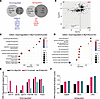 Figure 6
MyrfhumdG C-terminal variant acts as a hypomorphic allele. (A) Comparison of differentially expressed genes in RPE cluster of E17.5 humanized C-terminal variant (MyrfhumdG/humdG) versus conditional KO (RxCre;Myrffl/fl) mice with key shared genes highlighted (n = 3 pooled per genotype). (B) Plot of MyrfhumdG/humdG versus RxCre;Myrffl/fl fold change in gene expression for genes expressed in both datasets (log2FC > 0.25, Bonferroni Padj < 0.1) showing strong concordance of up- and downregulated differentially expressed genes between the humanized allele and conditional KO. (C and D) Gene set enrichment analysis (GSEA) showing top 10 downregulated pathways in MyrfhumdG/humdG versus RxCre;Myrffl/fl mice. (E and F) Pseudobulk analysis of RPE cluster demonstrating magnitude of downregulation compared with respective control (E) is lower in the C-terminal variant (pink) than the conditional knock out at E15.5 (black) or P0 time points (blue), while magnitude of upregulation is similar across groups (F).
Finally, to assess the retained function of the humdG allele relative to conditional KO, we performed pseudobulk analysis on the RPE clusters and compared expression of select downregulated (Figure 6E) or upregulated (Figure 6F) genes between MyrfhumdG/humdG (E17.5) and RxCre;Myrffl/fl (E15.5 and P0). We observed that the MyrfhumdG/humdG RPE retained 46%–90% expression across various downregulated genes as compared with P0 RxCre;Myrffl/fl mice, which only retains 1%–66% expression as compared with their respective controls. Interestingly, for select upregulated genes, we observed no differences in expression between the genotypes, suggesting these are less likely to be direct targets and may be buffered. Together, these data support shared pathogenic mechanisms between the KO model and the C-terminal variant, stemming from hypomorphic MYRF effects at the level of RPE.
Deep intronic variants in MYRF in nanophthalmos patients alter splicing. As our in vitro and transcriptomic findings suggest a hypomorphic effect for the dG-MYRF variant, we reasoned that other MYRF splicing variants may also cause ocular only phenotypes, either by affecting only the C-terminal domain exons or by causing a partial reduction in functional RNA or protein products. To validate this hypothesis, panel-based or whole genome sequencing (WGS) was carried out on a cohort of 53 families with nanophthalmos/high hyperopia that did not have identified genetic diagnoses (34). From this cohort, 2 families were identified with deep intronic variants in MYRF (NM_001127392.3 MYRF c.460+167G>A in P01965 from Family 1 and c.3194+122A>G in P04818 and P04825 from Family 2) (Figure 7, A and B). No other rare deleterious genetic variants in nanophthalmos-associated genes (MYRF, PRSS56, MFRP, CRB1, BEST1) were identified in either family.
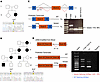 Figure 7
Deep intronic variants in MYRF alter splicing of mRNA transcript. (A and B) Two families were discovered with intronic variants in MYRF. (C) Schematic of the minigene RNA splicing assay and predicted products. Minigene for variant c.460+167G>A (A) show altered splicing of MYRF at the mRNA level for 39% of transcripts from sample from Family 1, suggesting a ~19% usage overall (n = 18 colonies). (D) cDNA and predicted splicing of c.3194+122A>G (B) variant amplified from MYRF RNA in patient blood from Family 2. PCR amplification of cDNA shows altered splicing at the mRNA level for 15% of transcripts (30% for the allele) (n = 20 colonies).
Clinical examination of family members revealed very short axial lengths in both families and classic features of nanophthalmos including choroidal folds and retinal detachment (Supplemental Figure 9 and Supplemental Table 2). Proband P01965 demonstrated no family history of nanophthalmos (Figure 7A), while Family 2 exhibited a pattern of autosomal dominant inheritance, with demonstrated segregation in 2 generations. No systemic features of MYRF cardiac-urogenital syndrome were noted in any of the affected individuals or other family members.
The high spliceAI (35) scores for the variants in Family 1 and 2 (c.460+167G>A, score = 0.992 and c.3194+122A>G, score = 0.8, respectively) indicate that the variants have a high probability of altering splicing (Supplemental Table 3). The first variant was predicted to cause gain of a cryptic acceptor site (c.460+167G>A), leading to pseudoexon insertion of 91 bp (Figure 7C) and a frameshift causing either early protein truncation or RNA degradation via nonsense mediated decay. An exon trap minigene splicing assay confirmed that the c.460+167G>A variant altered splicing compared with WT MYRF, producing a 374 bp fragment corresponding to the predicted pseudoexon inclusion in addition to the normal splicing product (283 bp WT exon 5 amplicon) (Figure 7C). To quantify the fraction of transcripts that have aberrant splicing, PCR fragments were TA cloned, and individual colonies were sequenced (n = 18). Seven of 18 (38.9%) contained RNA produced from the cryptic splice site usage, while the remaining used the normal splice acceptor.
For Family 2, we confirmed cosegregation of the variant in 2 generations, yet we did not detect pseudoexon inclusion using the exon trap vector system (Supplemental Figure 13, A–C). The variant may have a cell type–specific or contextual effect on splicing not detected by our assay or affect MYRF function through a different mechanism. To support this possibility, we extracted RNA from freshly collected patient blood and performed RT-PCR to look for evidence of altered transcript splicing. We observed an additional ~300 bp band matching the expected size of an alternatively spliced transcript for this variant (Figure 7D). To quantify the fraction of transcripts that have aberrant splicing, PCR fragments were TA cloned, and individual colonies were sequenced, showing 3 of 20 colonies (15%) using the cryptic splice site usage, and suggesting ~30% usage of the cryptic splice site from that allele overall (Figure 7D and Supplemental Figure 13D). The predicted protein product based on cDNA sequencing would cause a frameshift leading to early truncation after exon 24 (Supplemental Figure 13E).
Together, these data suggest that intronic splice variants in MYRF may be another mechanism leading to the pathogenesis of nanophthalmos. Isolated ocular phenotypes may be driven by partial loss-of-function alleles with incomplete alternative splice site compensation or altered function of the alternative transcript’s protein product.
-
Discussion
Though originally identified as a master regulator of oligodendrocyte maturation, growing evidence supports a role for MYRF in regulating RPE development, differentiation, and maturation (8, 10). Our previous studies underscore the importance of MYRF in the developing RPE, showing that conditional loss of Myrf in mice can be disastrous for RPE development and lead to retinal degeneration (8). Interestingly, there are a cluster of variants located in the conserved C2 domain that manifest as isolated ocular diseases (13). Combined with other partial loss-of-function alleles, including splicing variants we further identify in this study, our data support that the C2 domain variants and other hypomorphic alleles may manifest as isolated ocular disease (Figure 8).
 Figure 8
Working model of MYRF splice variant functional and phenotypic effects contributing to isolated ocular and syndromic disease pathogenesis. WT MYRF retains transcription factor function resulting in no phenotypic effects. A C-terminal frameshift splice variant results in a 31 amino acid frameshift leading to decreased C-terminus stability and transcriptional activation, leading to reduced transcription factor function and isolated ocular disease. Intronic splicing variants lead to a frameshift that results in early truncation or nonsense mediated RNA decay. These splice sites are not always used, leading to modest decrease in MYRF transcription factor function and isolated ocular disease. In contrast, complete loss of function alleles either lead to early truncation/nonsense-mediated decay or alter critical functional domains (i.e., DNA binding, cleavage) and lead to severe, syndromic symptoms.
C-terminal MYRF variant acts as a loss-of-function allele. We show 4 lines of evidence supporting that the C-terminal MYRF variant is a partial loss-of-function allele. First, embryonic lethality is observed in mice harboring a homozygous C-terminal truncating allele in Myrf, in line with the autosomal dominant inheritance pattern and lack of homozygous mutant individuals in humans. Embryonic lethality is observed later in gestation than constitutional KO of Myrf, with skewed Mendelian ratios starting at E17.5, rather than lethality during cardiac development midgestation (36). Second, there are many shared disrupted transcriptional targets and pathways, in our MyrfhumdG/humdG mouse model and the RxCre;Myrffl/fl conditional KO mice, including ECM, TGF-β signaling, Wnt signaling, structural regulation, and RPE maturation pathways, and regulation of Myrf itself, arguing against neomorphic function.
Third, transcriptional and phenotypic effects in MyrfhumdG/humdG were milder than in comparable RxCre;Myrffl/fl mice. MyrfhumdG/humdG had normal-appearing RPE pigmentation, modest reduction in Tmem98 expression, and lower magnitude of DEGs among shared pathways with the RxCre;Myrffl/fl eyes. Additionally, no phenotypic changes in the heterozygous MyrfhumdG/+ eyes were apparent over 1 year. The direct comparison of scRNA-seq datasets with the conditional KO suggests that the C-terminal MYRF variant allele retains some partial function. Although molecular changes are picked up on scRNA-seq data, the phenotypic changes in the MyrfhumdG/humdG are more modest in comparison with the RxCre;Myrffl/fl mice. For example, genes in the pigmentation pathway are present in the downregulated DEGs of MyrfhumdG/humdG such as Oca2 at E17.5, but these mice show no signs of depigmentation at embryonic stages. Fourth, the C-terminal frameshift MYRF allele exhibits only subtle processing defects, with decreased steady state stability and transcriptional activity in vitro, but no differences in protein, localization, or cleavage in the context of an overexpression assay.
A previous study developed a mouse model to investigate a similar variant, MYRF c.3260delG/p.(Gly1087Valfs*151) mutation, which corresponds to the human MYRF c.3377delG/p.(Gly1126Valsf*31) mutation (9). This mutation causes the same C-terminal frameshift in humans as the c.3776-1G>A discovered by our lab. While there was support for loss-of-function for this allele, with lower mRNA and protein expression of MYRF (9), the mouse allele did not mimic the human allele, given the difference in the frameshift amino acid sequence and the-3′UTR sequence. Furthermore, comparison of embryonic lethality of the Gly1087Valfs*151 variant allele to our current study is not possible, as the prior study only evaluated heterozygous mice. Therefore, our humanized mouse has more fidelity to model the human disease by replacing the last exon with human WT or variant DNA sequence and recapitulates the 31 amino acid frameshift in patients. Some discrepancies remain between our model and the previously published one (9), as we did not find evidence to support changes in thickness of GCL or INL layers (measured by SD-OCT), phenotypic/morphological changes in heterozygous mice, or signs of primary angle closure glaucoma. These may be related to the different nature of the allele, CRISPR off-target effects, or strain/background specific effects. Our humanized mice and WT mice exhibit mRNA expression exclusively within the RPE cluster; therefore, antibody detection of MYRF in other eye structures may represent cross-reactivity or background (8, 10). Our data, together with these previous models, support the assertion that C-terminal Myrf variant is acting as a partial loss-of-function allele. However, future studies are necessary to completely rule out the possibility of the C-terminal variant acting via dominant negative interactions with the WT MYRF, as these mechanisms could not be assessed easily in our animal model or overexpression cell culture models.
Eye size and the dG-MYRF mouse model. In both our animal model of the human allele and our prior developmental KO model (8, 10), axial lengths were comparable with those of the control, suggesting either that the mouse may not recapitulate all the features of human nanophthalmos or that more efficient KO or longer follow-up is necessary to see this phenotype. The 2 mouse models of recessive nanophthalmos genes, MFRP and PRSS56, with the most severe axial length reductions in humans (34, 37, 38) have produced only modest reductions in axial length (<0.15–0.2 mm) (39–41). Mouse models in other nanophthalmos-associated genes, including BEST1, CRB1, and TMEM98 do not show reductions in axial length (42–46) but do show various degrees of reduced retinal function and/or retinal degeneration, consistent with our models of Myrf (40). Furthermore, all 3 of the RPE-derived genes (Best1, Tmem98, and Myrf) are expressed in adult RPE, suggesting a potential maintenance role in RPE. Complex molecular signaling between the RPE and retina may lead to compensation in ocular dimensions, leading to no observable changes in eye size. For example, upregulation of Prss56 is observed in Mfrp rd6-KO mice and AAV2 mediated overexpression of Prss56 alone in adult mouse eyes can increase axial length (41). Thus, Prss56 upregulation may temper any reduction in eye size in the Mfrp-KO mouse. Interestingly, in our cohort of RxCre;Myrffl/humdG mice we saw limited effects on retinal thickness but observed a significant decrease in VCD after 4 and 6 months compared with either RxCre;Myrffl/humWT or RxCre;MyrfhumWT/humWT. Changes in VCD are correlated to eye size and refractive error in humans and mice (47–50). Measurements of overall eye size may be complicated by the technique and variability, and future studies will be necessary to fully evaluate the contribution of MYRF to eye size phenotypes in mice. Finally, our data suggest that eye size defects may precede retinal degeneration, which was seen more robustly in our RxCre;Myrffl/fl–conditional KO model. Further work to explore the compensatory mechanisms buffering eye growth will be informative to address the discrepancies between human disease and mouse models.
Consequences of functional loss of C-terminal domain. Our results show that the C-terminal MYRF variant can cleave and localize properly to the nucleus like the WT protein. This is consistent with previous work that demonstrated a truncated version of MYRF lacking the C-terminal domain (MYRF-1:756) maintains proper homotrimerization and processing in oligodendrocytes (2). Previous work has also shown that homotrimerization is necessary for MYRF self-cleavage (1). This implies that the C-terminal variant is also able to form the homotrimer structure necessary to facilitate cleavage of MYRF. As the C-terminal MYRF variant homotrimerizes and cleaves, we might expect it to be capable of activating transcription of its downstream targets. However, our scRNA-seq and qPCR data show downregulation of key target genes and pathways involved in RPE development including the Wnt signaling, TGF-β signaling, pigmentation, cytoskeletal organization, and epithelial cell development. The changes in these pathways are consistent with many changes detected in our conditional KO model. For example, top downregulated hits in MYRF C-terminal variant RPE included known eye size disorder genes. Serpine3 encodes a serine protease inhibitor, which has been shown to be significantly upregulated in induced myopia models in zebrafish and chicks (30, 31). In contrast, it is significantly reduced in our model, suggesting that it may play a bidirectional role in eye size regulation like Prss56. Additionally, other top downregulated genes Ankfn1 and Kcnq5 are known GWAS hits for refractive error and/or myopia (51–53). Downregulated Ankfn1 mRNA expression has recently been discovered as a defining feature of healthy versus dedifferentiated RPE in mouse models that are aged or exposed to cigarette smoke (29). Kcnq5 encodes a voltage-gated potassium channel expressed in the RPE (human, primate, and bovine) and involved in active transport of K+ from the retina to the choroid (32, 33). These data suggest that the C-terminal variant is likely influencing expression of genes involved in eye size regulation in the RPE and demonstrates how leveraging scRNA-seq technology can help to uncover early changes in gene expression, which are challenging to detect via bulk RNA-seq or qPCR in complex tissues like the developing embryonic eye.
Interestingly, although dG-MYRF maintains normal protein processing, at steady state, the full-length and C-terminal fragments are less stable. It is possible that the instability observed at steady state levels may be a driving factor behind decreased transcriptional activation of downstream target genes. Furthermore, with in vitro overexpression, we see loss of MYRF autoregulation and inability to upregulate the TMEM98 downstream target in the dG-MYRF mutant. These results are consistent with other studies supporting a role for the C-terminus of MYRF in regulation of its function, as removal of the ER-resident portion in vitro results in decreased levels of target gene transcription (2, 54). Furthermore, overexpression of a mouse Myrf plasmid missing the ER portion results in decreased expression of genetic markers of differentiation in maturing oligodendrocytes (2). Together, these data suggest that the C-terminal MYRF variant and removal of the ER portion may decrease target gene expression, even though the protein appears to maintain normal cleavage and localization dynamics in cell culture, suggesting that other important protein-protein interactions may be at play.
Presence of splice-altering variants in nanophthalmos. In addition to variants in well-characterized domains such as the DBD and the ICA cleavage domain, which fundamentally alter MYRF’s function to act as a transcription factor, we found predicted splice variants in MYRF that are associated with nanophthalmos. We discovered what we believe to be two novel, deep intronic variants in MYRF that are predicted to alter splicing; one of these was confirmed by a minigene splicing assay and the other by directly assessing patient blood RNA for alternatively spliced transcripts. The splicing variant from Family 1 is expected to result in an early frameshift and produce a nonfunctional protein product. The minigene splicing assay suggests that pseudoexon inclusion occurs in ~40% of the transcripts from that allele. The splicing variant from Family 2 is expected to create a stop codon after exon 24 and predicted to create a truncated protein product with reduced function. Splicing from patient blood suggests that the pseudoexon inclusion occurs in ~30% of the transcripts from that allele. These data, together with our animal and cell culture evidence from the C-terminal frameshift variant, support a tissue-specific, dosage-sensitivity threshold for MYRF, whereby partial loss-of-function variants may lead to ocular disease only, while complete loss-of-function or dominant negative alleles may lead to syndromic disease. Dosage sensitivity of MYRF is supported by previous studies showing intrafamilial phenotypic variability (8, 17, 55). Indeed, most individuals with cardiac-urogenital syndrome that are evaluated for ocular phenotypes do have high hyperopia (3). Since WGS is applied more often in clinical settings, deep intronic variants in MYRF and other nanophthalmos-associated genes may be found. Furthermore, WGS may improve our ability to capture DNA variants in highly conserved noncoding regions such as promoters or enhancers that may be regulated by MYRF. One limitation is that MYRF variants are a rare cause of nanophthalmos and, therefore, we may not observe the exact same variants in multiple families. However, we expect WGS to reveal similar splicing alternations that lead to production of nonfunctional transcripts. Additionally, future studies could benefit from implementation of long-read sequencing to resolve additional splice isoforms (at the RNA level) or any changes in RNA modifications in MYRF (56) and allow for haplotype resolution and assessment of epigenetic marks (56, 57) at the DNA level.
Conclusions. In this study, we have investigated mechanisms by which MYRF alleles may cause isolated ocular disease. Our results emphasize the role of the protein’s C2 domain in regulating of the activity of MYRF in the RPE, as its alteration leads to decreased steady-state stability, transcriptome-wide dysregulation, and downregulation of pathways important for RPE development. We also demonstrate that the C-terminus of MYRF is important and necessary to produce viable offspring in mice. These results build upon the previously existing limited knowledge of the function and importance of the conserved C-terminal domain of MYRF and offer steppingstones to further understand how C-terminal variants of MYRF contribute to disease pathogenesis. Furthermore, our identification of variant alleles that alter splicing, while maintaining some appropriate splicing, supports the conclusion that the eye is particularly sensitive to reduced MYRF function.


