
Research ArticleCell biologyClinical ResearchOncology
Open Access |  10.1172/jci.insight.195013
Neural crest cell signatures drive tumorigenesis in tuberous sclerosis complex and lymphangioleiomyomatosis
Uchenna J. Unachukwu,1 Enio B. Garcia,1 Nooralam Rai,2 and Jeanine M. D’Armiento1
1Center for LAM and Rare Lung Disease, Department of Anesthesiology, College of Physicians and Surgeons, Columbia University Medical Center, New York, New York, USA.
2Department of Pediatrics (Pulmonary), Columbia University Medical Center, New York, New York, USA.
Address correspondence to: Uchenna J. Unachukwu, Center for LAM and Rare Lung Disease, Department of Anesthesiology, College of Physicians and Surgeons, Room 7-430, Columbia University Medical Center, 630 West 168th Street, New York, New York 10032, USA. Phone: 212.305.7757; Email: uu2110@cumc.columbia.edu.
Find articles by Unachukwu, U. in: PubMed | Google Scholar
1Center for LAM and Rare Lung Disease, Department of Anesthesiology, College of Physicians and Surgeons, Columbia University Medical Center, New York, New York, USA.
2Department of Pediatrics (Pulmonary), Columbia University Medical Center, New York, New York, USA.
Address correspondence to: Uchenna J. Unachukwu, Center for LAM and Rare Lung Disease, Department of Anesthesiology, College of Physicians and Surgeons, Room 7-430, Columbia University Medical Center, 630 West 168th Street, New York, New York 10032, USA. Phone: 212.305.7757; Email: uu2110@cumc.columbia.edu.
Find articles by Garcia, E. in: PubMed | Google Scholar
1Center for LAM and Rare Lung Disease, Department of Anesthesiology, College of Physicians and Surgeons, Columbia University Medical Center, New York, New York, USA.
2Department of Pediatrics (Pulmonary), Columbia University Medical Center, New York, New York, USA.
Address correspondence to: Uchenna J. Unachukwu, Center for LAM and Rare Lung Disease, Department of Anesthesiology, College of Physicians and Surgeons, Room 7-430, Columbia University Medical Center, 630 West 168th Street, New York, New York 10032, USA. Phone: 212.305.7757; Email: uu2110@cumc.columbia.edu.
Find articles by Rai, N. in: PubMed | Google Scholar
1Center for LAM and Rare Lung Disease, Department of Anesthesiology, College of Physicians and Surgeons, Columbia University Medical Center, New York, New York, USA.
2Department of Pediatrics (Pulmonary), Columbia University Medical Center, New York, New York, USA.
Address correspondence to: Uchenna J. Unachukwu, Center for LAM and Rare Lung Disease, Department of Anesthesiology, College of Physicians and Surgeons, Room 7-430, Columbia University Medical Center, 630 West 168th Street, New York, New York 10032, USA. Phone: 212.305.7757; Email: uu2110@cumc.columbia.edu.
Find articles by
D’Armiento, J.
in:
PubMed
|
Google Scholar
|

Published June 4, 2026 - More info
JCI Insight. 2026;11(14):e195013. https://doi.org/10.1172/jci.insight.195013.
© 2026 Unachukwu et al. This work is licensed under the Creative Commons Attribution 4.0 International License. To view a copy of this license, visit http://creativecommons.org/licenses/by/4.0/.
Received: April 28, 2025; Accepted: May 21, 2026


-
Results
NCCs are key drivers of Tsc2+/– mouse renal tumor development. scRNA-seq of WT renal cortex (n = 3 mice; 19,078 cells) versus Tsc2+/– renal cystadenomas (n = 4 mice; 26,861 cells) identified shared renal and hematopoietic cell clusters, as well as tumor-restricted populations (Figure 1A). Pathway analysis revealed activation of cell death processes — mitochondrial dysfunction (z = 4.62; P ≤ 2.7 × 10⁻²⁸; ratio = 0.17), decreased TCA cycle activity (z = –3.74; P ≤ 9.45 × 10⁻¹⁸; ratio = 0.67) — and inflammatory responses, including Granzyme A signaling (z = 3.64; P ≤ 6.54 × 10⁻¹⁵; ratio = 0.27), and neutrophil degranulation (z = 4.04; P ≤ 5.63 × 10⁻¹⁵; ratio = 0.10) in Tsc2+/– mice tumors (Figure 1B), indicating tissue necrosis. Gene ontology enrichment supported these findings, highlighting active nucleic acid, lipid, and amino acid metabolism processes associated with tumor cell survival and proliferation (Figure 1C).
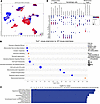 Figure 1
scRNA-seq analysis of renal tumorigenesis in the tuberous sclerosis (Tsc2+/–) mice. (A) UMAP clustering of cells from 8-month-old WT kidneys (n = 3 mice; 19,078 cells) and age-matched Tsc2+/– renal cystadenomas (n = 4 mice; 26,861 cells). (B) Top canonical pathways predicted to be activated (red) or inhibited (blue) in Tsc2+/– tumors versus WT kidney and ranked by significance (–log10 P value, Benjamini-Hochberg [B-H]). Bubble size indicates the proportion of significant dataset genes relative to all pathway genes. (C) Top 12 diseases/biofunctions predicted for Tsc2+/– tumors versus WT tissue, based on B-H corrected P values. (D) Median expression of the 25 most variable genes from scRNA-seq across 3 main cell categories — unique tumor cells, hematologic cells, and renal tissue cells. Circle size represents the percentage of gene-expressing cells, with red-to-blue hues indicating up- to downregulation. Complete cell-type expression data are shown in Supplemental Figure 1. Analyses were performed using Qiagen CLC Genomics Workbench v23.0.4 and Ingenuity Pathway Analysis (IPA) v68752261.
Differential expression of the 25 most variable genes across 3 broad cell categories: renal tissue cells, hematologic/immune cells, and unique tumor cells (Figure 1D), revealed low expression of renal epithelial markers in a small percentage of cells of renal origin, reflecting tumor necrosis, as predicted in Figure 1B. Robust expression of S100 and Retnlg in myeloid cells is consistent with active inflammation (Figure 1D) (13). Five unique tumor cell types — CNCCs, pancreatic duct cells, breast luminal epithelial cells, bladder urothelial cells, and fibro/adipocyte progenitors — display gene signatures atypical for the kidney and were enriched in tumor-specific clusters (Figure 1D). Expression data for all 55 resolved cell types are available in Supplemental Figure 1 (supplemental material available online with this article; https://doi.org/10.1172/jci.insight.195013DS1). Based on their high expression of key tumor-related genes (Figure 1D), we hypothesized that among these unique tumor cells, CNCCs were most likely to drive renal tumor development in Tsc2+/– mice.
To test our hypothesis, we employed UMAP clustering and cell type prediction to identify differences in cell populations between Tsc2+/– mice tumors and WT tissues. Using high-confidence cell-type predictions with > 50% probability estimates via Platt scaling (14) (Supplemental Methods), decreasing populations of proximal tubule epithelial and brush border cells (Cluster 1), collecting duct and intercalated cells (Cluster 2), and endothelial cells (Cluster 7) were observed in tumors compared with the WT kidney (Table 1 and Figure 2, A and B), consistent with earlier findings (Figure 1D). Conversely, macrophages (Cluster 4) and proliferating granulocytes/agranulocytes (Cluster 6) increased in renal tumors (Table 1 and Figure 2, A and B), linked to immune and inflammatory responses in Tsc2+/– mouse renal tumors (13). Cluster 8 in renal tumors sequesters CNCCs (4.5% of cluster 8), pancreatic duct cells (0.6%), and an “unknown” group of heterogeneous cell types (93%) whose identity cannot be confidently confirmed (>50% probability) using curated cell type classifier elements in the Qiagen Cell Ontology knowledge base (Table 1 and Figure 2B). Since small populations of endogenous CNCCs exist in healthy kidneys within cluster 2 (Figure 2C), they could transform, multiply approximately 80-fold, and induce neighboring cells via paracrine signaling, to contribute to tumor development in cluster 8 (Figure 2D). This is evident when comparing CNCC fluxes in clusters 2 and 8 between renal tissue and tumors (Figure 2, A and B). Even when confidence thresholds are not considered in cell type predictions (Cell Type - All), CNCCs still rank as the second most abundant cell type in cluster 8 of Tsc2+/– tumors, with CNCC-derived mesenchymal stem cells also represented (Supplemental Figure 2).
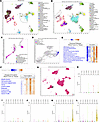 Figure 2
Pathogenic NCCs in Tsc2+/– mouse renal tumors. (A and B) Cell type clustering of scRNA-seq data from WT mice (A) and Tsc2+/– mice (B) based on the Platt-scaled probabilistic fit between DEGs and canonical cell type signatures curated in the Qiagen CLC gene ontology database. Cell types annotated with ≤ 50% confidence are ranked by abundance as ‘Cell Type (all)’ in the legends for A and B; cell clusters 1-8 were also predicted with high confidence (>50%; Table 1). (C and D) Magnified images show CNCCs (dark blue arrows) in Cluster 2 of WT mouse kidney (C), and as dark- blue hued cells in Cluster 8 of Tsc2+/– renal tumors (D), identified with high confidence. (E and F) Intercluster analyses reveal activation of tumorigenic pathways (E) and biofunctions (F) mainly in Clusters 6 and 8, with orange and blue hues representing up- and downregulation, and gray indicating insignificant pathways. (G) CNCCs occur mostly in Tsc2+/– Cluster 8 (n = 796 low confidence; n = 165 high confidence). (H–L) Expression of canonical renal tumor markers — Gpnmb (H), Ctsk (I), Vegfd (J) — and neurocristopathic markers — Clu (K), Spp1 (L) — with the percentage of gene-expressing cells per cluster indicated. Analyses were performed using Qiagen CLC Genomics Workbench v23.0.4 and Ingenuity Pathway Analysis (IPA) v68752261.
 Table 1
High confidence predictions of cell types in Clusters 1-8 of WT mouse renal tissues and Tsc2+/– renal cystadenomas
Subsequent analysis confirmed Cluster 6 and Cluster 8 as key tumorigenic groups selectively activating classical tumorigenesis pathways, including focal adhesion kinase (FAK) signaling (6.6 ≤ z ≥ 9.3), molecular mechanisms of cancer (7.11 ≤ z ≥ 8.85), and S100 family signaling (6.9 ≤ z ≥ 9.1) (Figure 2E). Analyzing the downstream effects of these cancer-related gene signatures further implicates cell clusters 4, 6, and 8 in driving tumor phenotypes in Tsc2+/– mice (Figure 2F). Given the established identity and inflammatory roles of cells in Cluster 4 and Cluster 6, these findings further support our postulate that CNCCs in cluster 8 drive tumor formation in Tsc2+/– mice. Furthermore, CNCCs are selectively enriched in Cluster 8 of Tsc2+/– tumors (Figure 2G) — being among the most abundant annotated NCC lineage in this cluster, with and without probabilistic thresholds (Supplemental Figure 2) — where most cells expressed markers of mouse renal tumorigenesis, including glycoprotein NMB (Gpnmb) (Figure 2H), cathepsin K (Ctsk) (Figure 2I), and Vegfd (Figure 2J). Additionally, highly variable CNCC genes in Tsc2+/– mouse renal tumors (Figure 1D), including clusterin (Clu) (Figure 2K) and osteopontin (Spp1) (Figure 2L), were primarily expressed by Cluster 8 tumor cells. Pancreatic duct cells demonstrated a 25-fold increase in Cluster 8 (Figure 2D); future studies will explore their role in tumor development in Tsc2+/– mice and in TSC disease.
Identification of neurocristopathic markers in Tsc2+/– mouse renal cystadenomas. Differential gene expression analysis of renal tumors distinguished 824 genes between CNCCs and other tumor cell types (Figure 3A) (111 downregulated, 713 upregulated), which included 30% of the top 100 genes used in annotating CNCCs (Supplemental Table 1). These include known CNCC markers and regulators of neurocristogenesis, such as SRY Box transcription factor 9 (Sox9), transcription factor activating protein B (Tfap2b), cytokeratins (Krt18, Krt8, Krt7), and heat shock protein family B Member 1 (Hsbp1) (Figure 3A and Table 2) (12). Other highly regulated genes that distinguish CNCCs from other tumor cells include Spp1, Clu, and lipocalin 2 (Lcn2) (Figure 3A and Table 2), which also markedly influence Tsc2+/– mouse tumor development (Figure 1D) and are thus potential candidate markers of TSC-associated neurocristopathy. The top 30 differentially expressed genes (DEGs) in CNCCs, ranked by FDR q and fold-change, are listed in Table 2, with a complete list in Supplemental Table 2.
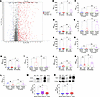 Figure 3
Neurocristopathic markers of renal tumorigenesis in Tsc2+/– mice. (A) DEGs between CNCCs and other cell types in Tsc2+/– mouse renal tumors, highlighting highly regulated neural crest markers. (B–I) The complete list of 824 DEGs in CNCCs is provided in Supplemental Table 2. qPCR validation of CNCC markers in renal and hepatic tumors from Tsc2+/– mice versus age-matched WT tissues at 6 and 16 months, including Lcn2 (B and C), Spp1 (D and E), Sox9 (F and G), and Krt18 (H and I). (J) Tfap2a expression in Tsc2+/– tumors versus WT kidneys. (K and L) Tuberin mRNA in renal (K) and hepatic (L) tissues/tumors over the same period. Each data point represents the sample mean from 3–7 mice. (M and N) Immunoblot analysis of Krt18 (M) and Sox9 (N) in kidney tumors (KT) and adjacent tissues (AKT) from 16-month-old Tsc2+/– mice (n = 4–8) compared with WT mice kidney (NK) (n = 5–6), normalized to housekeeping proteins (HKP). Each data point on graphs is a biological replicate. One-way ANOVA with Dunnett’s post hoc test; *P < 0.05, **P < 0.005.
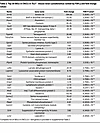 Table 2
Top 30 DEGs in CNCCs in Tsc2+/– mouse renal cystadenomas ranked by FDR q and fold change values
The expression of selected canonical and noncanonical CNCC genes was validated in renal tumors and hepatic lesions of aging Tsc2+/– mice. Lcn2 (Figure 3B), Spp1 (Figure 3D), Sox9 (Figure 3F), Krt18 (Figure 3H), and Tfap2a (Figure 3J) all increased with age in these mice, exhibiting a 2- to 120-fold elevation in renal tumors between 6 and 16 months compared with healthy tissues, correlating with tumor growth (10). In hepatic lesions — less common in these mice — CNCC marker expression increased 2- to 25-fold at 16 months compared with both 6 months and age-matched healthy liver tissues (Figure 3, C, E, and G). Krt18 was an exception, showing lower levels in hepatic lesions at 16 months (Figure 3I). Tsc2 mRNA levels were higher in 16-month-old renal tumors (Figure 3K) but unchanged between hepatic tissues and lesions (Figure 3L). Additionally, Krt18 (Figure 3M) and Sox9 (Figure 3N) protein levels were markedly elevated in kidney tumors (KT) and tumor-adjacent tissue (AKT), respectively.
Uncovering multilineage NCCs in LAM pulmonary tumors. Pulmonary neoplasms from 4 de-identified patients with LAM (E202, E204, E208, E209) (Supplemental Table 3) sourced from the National Disease Research Interchange (NDRI), were processed within 48 hours of surgery and validated for LAM markers (8). All tumors exhibited elevated α-smooth muscle actin (ACTA2) compared with healthy lung tissue (Figure 4A), and selectively expressed premelanosome (PMEL), melanoma antigen recognized by T cells (MLANA), and CTSK (Figure 4, B–D). Notably, E202’s lung tumor exhibited markedly reduced TSC2 mRNA levels (Figure 4E), indicating variability in mTOR pathway activation among tumors, consistent with prior findings (15).
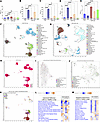 Figure 4
Multilineage NCCs in LAM pulmonary tumors. (A–E) qPCR validation of known LAM markers: ACTA2 (A), PMEL (B), MLANA (C), CTSK (D), and TSC2 (E), in fresh pulmonary tumor samples from 4 deidentified patients with LAM (E202, E204, E208, E209). (F and G) Cell type identification in pooled LAM tumors from scRNA-seq (17,551 cells) (F), and healthy lung data from LungMAP (Accession #LMEX0000004396; LungMAP.net) (4 donors, 27,093 cells) (G) based on gene expression linked to cell type signatures curated in the Qiagen CLC knowledge base. Legends rank “all cell types” identified with a confidence probability ≤ 50% by decreasing tissue abundance. (H) CNCCs occupy LAM tumor cluster #1T (n = 124 low confidence; n = 30 with high confidence), while TNCCs predominate Cluster 6 (n = 44 low confidence; n = 17 high confidence). (I and J) Magnified views of CNCCs in Cluster 1T (I) and TNCCs in Cluster 6 (J) in magenta. (K–L) Greater marker diversity and distribution observed in Clusters 1T and 6, which harbor NCC subtypes (K), are predicted to facilitate the activation of prooncogenic signaling pathways (L) and biological functions (M). Orange and blue hues represent up- and downregulation, respectively, and gray dots indicate insignificance. Analyses were performed using the Qiagen CLC Genomics Workbench v23.0.4 and Ingenuity Pathway Analysis (IPA) v68752261.
To identify tumor-initiating NCCs and their signaling pathways, LAM lung single-cell data were integrated with healthy lung data from the LungMAP.net repository (n = 4 female donors; 27,093 cells; accession#: LMEX0000004396) (16). Transcriptomic analysis showed minor clustering differences between healthy and LAM lungs, particularly in the spatial distribution of cell types within Cluster 1T (LAM tumors), Cluster 1H, and Cluster 1HH (healthy lungs), likely due to sample heterogeneity and varying protocols. Nonetheless, the same cell types were present in both healthy lungs and LAM neoplasms (Figure 4, F and G, and Supplemental Table 4). Two NCC subtypes — CNCCs (Figure 4, H and I) in Cluster 1T, and TNCCs (Figure 4, H and J) in Cluster 6 — were identified in LAM tumors based on lineage signature genes (Wnt1TOM+ CNCCs, Supplemental Table 1; Sox10TOM+ TNCCs, Supplemental Table 5) (12), though their numbers were up to 5 times lower than in Tsc2+/– mouse renal tumors. Markers of the recently identified LAM-core cells — proposed as the cells of origin (8) — such as PMEL, VEGF-D, and the Unc-5 netrin receptor D (UNC5D), showed greater diversity in clusters 1T and 6, associated with CNCCs and TNCCs, respectively (Figure 4K). These findings link LAM pathogenicity to the NCC subtype distributions within tumors.
High-confidence cell type predictions determined a substantial reduction in M2-type macrophages (Cluster 5) and alveolar type 1 epithelial cells (Cluster 1H and Cluster 1HH versus Cluster 1T) as well as an absence of detectable alveolar type 2 cells in LAM pulmonary tumors compared with healthy lungs (Figure 4, F and G, and Supplemental Table 4). Resident healthy lung CNCCs (72 cells in Cluster 1H and Cluster 4; Figure 4G) decreased in LAM tumors (30 cells in Cluster 1T and Cluster 4; Figure 4, F and I). These CNCCs, which persist into adulthood, give rise to pulmonary neurons that innervate airway smooth muscle, mucus glands, and myofibroblasts (17) and serve as progenitors for neuroendocrine cells and neuroepithelial bodies involved in chemo-sensing and repair (18). The reduction of CNCCs in Cluster 1 of LAM tumors suggests potential oncogenic transformation of this lineage. Conversely, cell types such as endothelial cells (Cluster 3), fibroblasts, stromal cells, skeletal muscle satellite cells, and TNCCs (Cluster 6), as well as smooth muscle cells (Cluster 7), increased in LAM tumors (Figure 4F and Supplemental Table 4).
To identify cell clusters with oncogenic potential, we compared intercluster differential gene expression between LAM pulmonary neoplasms and healthy lung tissue. Results were gated by z scores (z ≤ –2.0 or z ≥ 2.0) reflecting concordance between observed gene expression states and curated activating or inhibitory gene networks in Qiagen’s Ingenuity Pathway Analysis (IPA) knowledge base. A right-tailed Fisher’s exact test (P < 0.05) assessed enrichment of signaling pathways and biofunction gene sets in healthy versus LAM samples. The heatmap in Figure 4L reveals activation of classical tumorigenic pathways such as the Molecular Mechanisms of Cancer (z = 2.56–3.32) and Neutrophil Extracellular Trap Signaling (z = 2.22–3.11) in Cluster 1T (CNCCs) and Cluster 6 (TNCCs), indicating a proinflammatory tumor microenvironment. In Cluster 1T, activation of Estrogen Receptor Signaling (z = 2.19, P = 0.02) and MicroRNA Biogenesis (z = 2.2, P = 0.001) (Figure 4L) suggests estrogen-driven CNCC transformation. Cluster 6 dictates immune responses, symbolized by Th2 activation (z = 2.9, P = 0.03), while Folate Signaling (z = 3.21, P < 0.0001), indicates enhanced proliferation and survival in stem-like cells (Figure 4L). Upregulation of PTEN in healthy lung Cluster 1H reflects its tumor-suppressor role and the baseline state of normal lung tissue (Figure 4L) (19). Signaling pathways linked to tumor formation, invasion, and metastasis are primarily active in Cluster 6, then Cluster 1T (Figure 4M), supporting the postulate that NCCs induce tumorigenesis in LAM lungs.
Pathogenicity of KRT18-expressing NCCs in LAM pulmonary tumors. To understand how NCC lineages contribute to neoplastic transformation in LAM, we compared gene expression between CNCCs and TNCCs and other cell types within their respective clusters. CNCCs in Cluster 1T exhibit a distinctive gene signature characterized by increased mechano-sensitivity (ANKRD1) (20), epithelial plasticity and progenitor/alveolar-intermediate programs (KRT19, KRT18, KRT7, HOPX, CEACAM6, AGER) (21–23), alongside reduced differentiation and alveolar epithelial barrier integrity (CLDN18, SFTPB, SCEL, CLIC3) (24) (Figure 5A). This transcriptional pattern describes lineage infidelity and alveolar mimicry as the key pathogenic mechanisms of CNCCs in Tsc2-dependent LAM tumorigenesis. CNCC-derived tumor cells thus utilize epithelial-mesenchymal plasticity to adopt a “pseudo-alveolar” identity, supporting survival and lung niche remodeling. Conversely, TNCCs in Cluster 6 (Figure 5B) show coordinated downregulation of genes of the immune microenvironment, creating a “cold tumor” with suppressed or polarized macrophage and immune cell recruitment (CCL2, PTGDS, CFD, G0S2, APOD) (25, 26), and unchecked protease activity (CTSC, TIMP2) (27, 28). Concurrently, genes for collagen biosynthesis (COL1A2, COL3A1, COL1A1) (29), matrix-remodeling proteoglycans (decorin [DCN], lumican [LUM]) (30, 31), and desmoplasmic drivers (periostin [POSTN], asporin [ASPN]) (32, 33) were all upregulated.
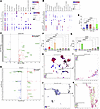 Figure 5
Neurocristopathic markers of LAM pulmonary neoplasms. (A and B) Median expression of the most variable genes in confidently predicted cell types (probability > 50%) within cluster #1T harboring CNCCs (A) and cluster #6 containing TNCCs (B), of LAM neoplasms (n = 4 patients; 17,551 cells). Dot plots rank genes by variance from highest to lowest, and circle size denotes the percentage of cells expressing each gene; colors from blue to red indicate down- to up-regulation. (C and D) Volcano plot distributions of DEGs between CNCCs and other cells in Cluster 1T (C) and TNCCs versus other cells in Cluster 6 (D). Some neurocristopathic genes of significance (FDR q < 0.05; log2FC ≥ 1.0; mean ≥ 0.5) are sampled in green. Complete lists of DEGs in CNCCs (90: 70 upregulated, 20 downregulated) and in TNCCs (472: 126 upregulated, 346 downregulated) are available in Supplemental Tables 6 and 7, respectively. (F and G) qPCR validation of KRT18 as a neurocristopathic biomarker in pulmonary neoplasms from 2 LAM patient cohorts, E202–E209 (n = 4) (E) and E190–E206 (n = 8) (F), compared with the canonical LAM marker PMEL (G). Statistics were performed using a 1-way ANOVA and Dunnett’s post hoc test for assays run in quadruplicate; *P < 0.05, **P < 0.005, ****P < 0.0001. (H and I) Recapitulative analysis of scRNA-seq data culled from the LAM Cell Atlas (34) and Gene Omnibus (GSE135851), comparing healthy lung (n = 6) to LAM pulmonary neoplasms (n = 4), reveal coexpression of LAM neurocristopathic markers (SPP1, CLU, KRT18) along with classical LAM (PMEL, CTSK, VEGF-D/FIGF, MLANA), and NCC (TWIST1, NR2F2, TFAP2A) markers. (J and K) Analogous marker representation in healthy kidney (n = 1) versus LAM renal AML (n = 1). Identification of LAM-Core cells (n = 115) (I) and ACTA2+ pathogenic subpopulations (n = 853 cells) (K). Analyses utilized Qiagen CLC Genomics Workbench v23.0.4.
After filtering for DEGs with significance thresholds (FDR q < 0.05, |Log2Fold Change|≥1, Max. Group Mean ≥0.5), 90 CNCC genes (70 upregulated, 20 downregulated; Supplemental Table 6) and 472 TNCC-specific genes (126 upregulated, 346 downregulated; Supplemental Table 7) were identified. Spatial distribution of genes distinguishing CNCCs in Cluster 1T (Figure 5C) and TNCCs in Cluster 6 (Figure 5D) is shown in volcano plots, which facilitated the identification of lineage-specific neurocristopathic markers involved in LAM tumorigenesis — highlighted in green. Notably, the high variability in KRT18 expression was a defining feature of CNCCs within cell cluster 1T (Figure 5A). The gene also ranked fifth among DEGs in TNCCs as captured in Figure 5D (FDR-q = 2.18 × 10⁻⁴, Fold Change = –12.48, Max. Group Mean = 7.01 Supplemental Table 7). Given that Krt18 was also implicated in CNCC-induced growth of aging Tsc2+/– mouse tumors, akin to aging LAM pathology, its endemic role in these disorders is apparent.
To gauge the pathogenicity of this neurocristopathic marker in TSC and LAM, its expression was validated in LAM pulmonary tumors. KRT18 significantly increased across all 4 LAM samples (E202, E204, E208, E209) compared with healthy lung tissue (Figure 5E). In 8 additional de-identified LAM cases, 6 showed higher KRT18 levels (Figure 5F), and 5 had elevated PMEL (Figure 5G). These results identify KRT18 as a neurocristopathic tumor marker in both TSC and LAM. scRNA-seq data from the LAM Cell Atlas, the central hub for LAM patient data in the regional United States (34), validated the expression of KRT18, SPP1, and CLU in LAM pulmonary tumors and their LAM-core cell subpopulation (Figure 5, H and I) (8). ACTA2+ cells in renal AML, linked to LAM pathogenicity, also expressed these markers (Figure 5, J and K). Moreover, the tandem expression of canonical LAM markers (PMEL, CTSK, FIGF [VEGF-D], MLANA) and neural crest markers (TWIST1, NR2F2, TFAP2A) strongly supports a neurocristopathic component of TSC and LAM.
Evidence of neurocristopathy in LAM pulmonary tumors. IHC for established and candidate neurocristopathic markers in pulmonary neoplasms from the 4 NDRI patients with LAM (E202, E204, E208, and E209) versus age-matched healthy lungs showed minimal SPP1 and no TFAP2A expression (Figure 6, A–D). By contrast, neoplasms from patients E202 (Figure 6, E–H) and E209 (Figure 6, I–N) exhibited strong TFAP2A localization at the apical membrane and cilia of airway epithelial cells, with moderate cytoplasmic expression. SPP1 expression was markedly increased in tumor-associated smooth muscle, and in E202, extended throughout the lung parenchyma and alveoli (Figure 6O), unlike healthy lungs (Figure 6P), as revealed by wide-area confocal microscopy.
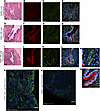 Figure 6
Evidence of neurocristopathy in LAM pulmonary neoplasms (SPP1 and TFAP2A). (A–D) Healthy lung parenchyma expresses minimal SPP1 restricted to smooth muscle regions bordering airway epithelia, and expression of the neural crest marker TFAP2A was not observed. (E–P) By contrast, TFAP2A is expressed at the apical membrane and in cilia of airway epithelia in patients with LAM E202 (E–H) and E209 (I–N), while SPP1 expression extends into the lung parenchyma and alveoli, as revealed by wide-area confocal imaging of E202’s pulmonary neoplasm (O) versus healthy donor lung (P). Boxed regions in L are enlarged in M and N. IHC results for patients E204 and E208 are provided in Supplemental Figure 3, while control slides can be visualized in Supplemental Figure 14. Hoechst 33342 served as a nuclear counterstain. Scale bars: 20 μm (magnified images [M, N]); 50 μm (A–N); 500 μm (wide-area confocal images [O, P]). Imaging was performed using the Nikon TiE Eclipse or AXR MP resonant scanning (wide-area imaging) confocal microscopes.
These findings were confirmed by the colocalization of ACTA2 and SPP1 at low levels in healthy lungs (Figure 7, A–D), contrasted with marked overexpression in overlapping regions within patient E202’s lungs (Figure 7, E–H). Similar results were validated in tumors from patients E204, E208, and E209 by TFAP2A/SPP1 IHC (Supplemental Figure 3), and ACTA2/SPP1 IHC (Supplemental Figures 4 and 5). Specificity for LAM neurocristopathy was further supported by the lack of TFAP2A and relatively low SPP1 expression, restricted to bronchiolar smooth muscle in an idiopathic pulmonary fibrotic (IPF) lung (Figure 7, I–L). SPP1 also colocalized with PMEL in tumor smooth muscle from E202 (Figure 7, M–P) and E208 (Supplemental Figure 6). Although PMEL was undetectable in cystic lungs from patients E204 and E209 (Supplemental Figure 6), consistent with qPCR results (Figure 4B), SPP1 and ACTA2 were elevated across all LAM patient tumors.
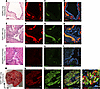 Figure 7
Evidence of neurocristopathy in LAM pulmonary neoplasms (SPP1 and ACTA2, PMEL). (A–D) SPP1 colocalizes with ACTA2 in healthy lung tissue. (E–H) Marked increase in expression of both markers in E202’s LAM lung neoplasm. (I–L) Limiting SPP1 expression and no TFAP2A was observed in age-matched idiopathic pulmonary fibrotic (IPF) lungs, akin to expression patterns in healthy lungs. (M) Sample of E202’s neoplastic lung. (N–P) Colocalization of SPP1 with PMEL, a premelanosome LAM marker, in the smooth muscle layer. Boxed region in P is magnified in the adjacent panel. SPP1/ACTA2 double-labeling IHC results for patients E204, E208, and E209 is provided in Supplemental Figures 4 and 5 while SPP1/PMEL results can be visualized in Supplemental Figure 6. Control tissue slides for comparison are collated in Supplemental Figure 15. Hoechst 33342 served as a nuclear counterstain. Scale bar: 20 μm (magnified images), 50 μm (A–P). Images were captured using a Nikon TiE Eclipse confocal microscope.
In healthy lung parenchyma, KRT18 expression was confined to bronchiolar airway epithelial cells and SOX9 was undetectable (Figure 8, A–D). In contrast, pulmonary neoplasms from patients, E202 (Figure 8, E–J), E209 (Figure 8, K–P), and E204 and E208 (Supplemental Figure 7) exhibited moderate ciliary SOX9 colocalized with KRT18 in airway epithelia and adjacent smooth muscle. Healthy lung tissue showed minimal SOX9 and phosphorylated p70S6K (p-S6K) colocalization (Figure 9, A–D), indicating low-level mTOR pathway activation, whereas LAM lungs from E202 (Figure 9, E–H), E209 (Figure 9, I–L), and E204 and E208 (Supplemental Figure 8) exhibited moderate to high SOX9 expression at the membrane and cilia of cystic and bronchiolar airway epithelia, colocalized with p-S6K. These expression patterns distinguished LAM from healthy and IPF lungs (Figure 9, M–P), and paralleled PMEL/SPP1 colocalization in cystic LAM lungs (Figure 7).
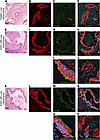 Figure 8
Evidence of neurocristopathy in LAM pulmonary neoplasms (KRT18 and SOX9). (A–D) KRT18 expression was observed only in airway epithelia in healthy lung parenchyma, while SOX9 was absent. (E–P) By contrast, KRT18 expression extended from the airway epithelia to adjacent smooth muscle and beyond in patients E202 (E–J) and E209 (K–P) LAM lungs, while SOX9 localized to the apical membrane and cilia. Boxed regions in H and N are magnified in panels I, J, O, and P, respectively. IHC results for patients E204 and E208 can be visualized in Supplemental Figure 7 and control tissue slides in Supplemental Figure 15. Hoechst 33342 served as a nuclear counterstain. Scale bars: 20 μm (magnified images [I–J; O–P]); 50 μm (A–H; K–N). Images were captured using a Nikon TiE Eclipse confocal microscope.
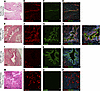 Figure 9
Evidence of neurocristopathy in LAM pulmonary neoplasms (SOX9 and p-S6K). (A–D) Healthy lungs lack SOX9 but minimally express phospho-p70S6Kinase (T389) (p-S6K), an indicator of mTOR pathway activation. (E–H) SOX9 localizes to the apical membrane and cilia in E202’s LAM lung with widespread p-S6K overexpression. (I–L) E209 LAM lungs similarly coexpress both markers but show less active mTORC1. Double immunolocalization results for SOX9 and p-S6K in patients E204 and E208 are provided in Supplemental Figure 8. The E209 LAM lung parenchyma field shown in panel 9I is identical to that in Figure 6A and was reused here to illustrate double-label IHC for SOX9 and p-S6K. Independent sections from all 4 patients with LAM showed comparable SOX9/p-S6K colocalization patterns (Supplemental Figure 8). (M–P) Comparative KRT18/SOX9 double immunolabeling in an age-matched IPF lung. The boxed region in H is magnified in the adjacent panel. Control tissue slides are shown in Supplemental Figure 15. Hoechst 33342 served as a nuclear counterstain. Scale bars: 20 μm (magnified images), 50 μm (A–P). Images were captured using a Nikon TiE Eclipse confocal microscope.
Evidence of neurocristopathy in renal neoplasms. Analogous expression of neurocristopathic and canonical NCC markers was observed in Tsc2+/– mouse renal cystadenomas (Supplemental Figures 9 and 10) and LAM renal angiomyolipoma (AML) (Supplemental Figures 11 and 12).
Candidate neurocristopathic markers show promise for LAM diagnostics. ELISA of serum samples from 12 patients diagnosed with TSC-LAM or sporadic LAM, versus 3 age-matched healthy controls showed a 10- to 18-fold higher serum SPP1 in 5 patients (Figure 10A), with KRT18 elevated in 4 of these 5 patients (Figure 10B), supporting their diagnostic value for specific LAM phenotypes. Conversely, lower LCN2 identified disease in 11 patients, reaching statistical significance in 7 (Figure 10C), consistent with immunohistochemical findings (Supplemental Figure 12), whereas CLU levels remained unchanged (Figure 10D). Although VEGFD exceeded the 800 pg/mL diagnostic threshold in most patients (Figure 10E) (35), it was significantly elevated in only 2 of the 12 patients and showed limited overlap patients exhibiting increased neural crest markers, suggesting that VEGFD reflects a distinct aspect of the LAM pathology.
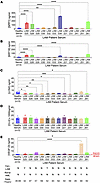 Figure 10
ELISA detection of neurocristopathic markers in LAM patient serum. (A–E) Serum concentrations of SPP1 (A), KRT18 (B), LCN2 (C), CLU (D), and VEGFD (E) in deidentified patients with LAM (n = 12) were compared with their levels in healthy donor serum (n = 3) via ELISA. In E, the diagnostic threshold for VEGFD is indicated with a dashed line. Incidence of TSC2 mutations and renal AML per patient is tabulated. Assays were performed in duplicate per sample. One-way ANOVA with Dunnett’s post hoc test was used for statistics; *P < 0.05, **P < 0.005, ***P < 0.001, ****P < 0.0001.
Genetic recombination studies recapitulate NCC physiology associated with tumorigenesis. To assess the role of Spp1 in NCC physiology, CRISPR-mediated targeting of Spp1 exon 4 in the 09-1 mouse CNCC line, which express Spp1 up to 106-fold higher than in non-NCC tissues (36), was detected by PCR (Figure 11A). (Full details regarding the origin of this CNCC line are provided in the Methods section and Supplemental Methods subsection of the Supplemental Data.) Gene recombination yielded 3 mutant clones (W5-A7, W5-B3, W5-B5) with KO scores and insertion/deletion percentages (Indel%) of 94/100%, 46/48%, and 88/88%, respectively. qPCR confirmed reduced Spp1 expression in clones W5-B5 and W5-A7 (Figure 11B), and decreased Spp1 protein in W5-B5 was verified by Western blots (Figure 11C). Functional assays over 24 hours revealed that Spp1 KO did not affect NCC viability (Figure 11D) but reduced proliferation by 28%–33% only in W5-A7 and W5-B5 (Figure 11E), correlating with ICE scores. All 3 KO clones significantly decreased invasion by 29%–64% (Figure 11F) and migration by 54%–76% (Figure 11G) relative to nonedited W2-A8 NCCs, at both high (50,000 cells/well) and low (10,000 cells/well) (Supplemental Figure 13) seeding densities. Therefore, Spp1 supports proliferative and motile NCC phenotypes associated with tumorigenesis.
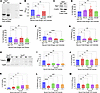 Figure 11
Tumorigenic effects of inhibiting Spp1 and Tsc2 expression in mouse CNCCs. (A) CRISPR-based edits targeting exon 4 of Spp1 in 09-1 mouse CNCCs were confirmed by a PCR product size change at 935 bp. (B) qPCR validation of Spp1 suppression in CNCC clones (W5-A7, W5-B3, W5-B5) with KO-score/(insertion/deletion) (Indel%) of 94/(100%), 46/(48%), and 88/(88%), respectively. (C) Protein verification of Spp1-KO in CNCC clone W5-B5. (D–G) Spp1-KO did not affect clone viability, as measured by ATP luminescence (D) but significantly reduced CNCC proliferation (28%–33%) (E), invasion (29%–64%) (F), and migration (54%–76%) (G) compared with unedited W2-A8 CNCCs. Boyden chamber assays were initiated with 50,000 CNCCs per well and yielded similar results at lower cell densities (Supplemental Figure 13). (H) PCR confirmation results of CRISPR-mediated Tsc2 KO in exon 6 of 09-1 CNCCs in clones B1, B6, B7, B8, and C11 with KO-score/(Indel%) of 94/(94%), 92/(92%), 93/(93%), 93/(94%), and 92/(92%), respectively. (I and J) qPCR validation of Tsc2 downregulation (I), leading to a 25% proliferative increase in clones B1 and C11 (J). (K) ATP levels increased 3- to 6-fold across clones, indicating enhanced viability that may promote tumor survival and resistance. (L and M) Tsc2-KO minimally reduced migration (L) and invasion (M) in most clones. Results obtained using lower cell densities (10,000 cells/well) are described in Supplemental Figure 13. Each data point on the graphs represents the average across triplicate or quadruplicate wells per experiment, with at least 3 repeats. Statistics were performed using a 1-way ANOVA with Dunnett’s post hoc test; *P < 0.05, **P < 0.01, ***P < 0.0005, ****P < 0.0001.
To model NCC transformation leading to LAM and TSC tumors, CRISPR/Cas9-mediated recombination at Tsc2 exon 6 in 09-1 CNCCs generated 5 mutant clones — B1, B6, B7, B8, and C11 — with respective KO-score/indel% of 94/94%, 92/92%, 93/93%, 93/94%, and 92/92%. Tsc2 downregulation was confirmed by Western blot (Figure 11H) and qPCR (Figure 11I). Only clones B1 and C11 showed a 25% increase in proliferation (Figure 11J), whereas all clones assessed exhibited a pronounced 3- to 6-fold increase in viability over nonedited NCCs (Figure 11K). Effects on NCC chemotaxis and invasion were minimal or modestly inhibitory (Figure 11, L and M). These results suggest that Tsc2 mutations during neurocristogenesis promote NCC survival where as Spp1 more strongly drives tumorigenic motility and proliferation, which account for TSC and LAM neurocristopathy by a nonproliferative increase in tumor viability, consistent with the benign yet persistent nature of TSC and LAM tumors.
Pathway analysis reveals developmental and metabolic reprogramming in CNCC-derived renal tumors. DEGs distinguishing CNCCs from other cell types in Tsc2+/– mouse renal tumors (824 DEGs; Figure 3A and Supplemental Table 2) were analyzed using Qiagen IPA knowledge base. Significance was assessed by right-tailed Fisher’s exact test (P < 0.05). CNCC-enriched genes mapped to activated pathways crucial for NCC migration and often reactivated in cancer (37, 38), including the RHO GTPase cycle (z = 3.89; P = 1.0 × 10–6.5), cholesterol biosynthesis (z = 2.45; P = 1.0 × 10–3.92), Sertoli cell-Sertoli cell junction signaling (z = 2.71; P = 1.0 × 10–6.35), and cell junction organization (z = 2.83; P = 1.0 × 10–9.7) (Figure 12A). WNT/SHH axonal guidance signaling (z = 2.67; P = 1.0 × 10–4.28), which supports neural crest specification and migration (39), and nephric duct formation (z = 2.24; P = 1.0 × 10–3.84), an embryonic urogenital developmental program (40), were strongly upregulated. These changes indicate reactivation of developmental programs not characteristic of homeostatic adult renal epithelium (Figure 12A) (40, 41). Consistent with this, most enriched pathways were activated, demonstrating that CNCCs in TSC renal tumors retain core developmental signaling networks governing cytoskeletal dynamics, cell-cell and cell-extracellular matrix communication, migration, epithelial-mesenchymal plasticity (EMT/MET), and metabolic reprogramming (42). Gene ontology enrichment further links CNCC signatures to cancer, hormonal dysfunction, and glomerular injury (Figure 12, B and C). These results provide transcriptomic evidence that CNCCs in TSC renal tumors activate both broad cancer-associated pathways and developmentally unique neural crest programs, supporting their role as true neural crest derivatives.
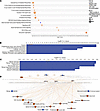 Figure 12
Delineating mechanisms of neurocristopathic tumorigenesis in Tsc2+/– mouse renal cystadenomas. (A) Top signaling and metabolic pathways predicted to be activated (orange) or inhibited (blue) in CNCCs in Tsc2+/– mouse renal tumors (n = 796 cells). Bubble size reflects the ratio of significantly expressed genes in CNCCs relative to all pathway genes. (B and C) Diseases (B) and toxicology apparatus (C) predicted to be activated by DEGs unique to CNCCs. (D) Excerpt of the third-ranked regulator effect network, with transcription factor 7 (Tcf7) as a key upstream regulator of Spp1 in CNCCs linked to renal tumorigenesis. This network achieved a consistency score of 20,352, which quantifies the alignment between upstream regulators, CNCC DEGs, and their downstream phenotypes (Supplemental Table 8). Other upstream regulators include ephrin-A ligands (Efna3, Efna4), which indirectly target Sox9 and Krt18, and when downregulated, inducing immune infiltration. Solid lines indicate direct interactions; dashed lines represent indirect ones. Orange and blue symbols denote predict activation and inhibition events, respectively.
Next, IPA regulator effect analysis of CNCC DEGs prioritized candidate neurocristopathic markers associated with tumorigenicity and identified regulator-disease/function networks ranked by consistency scores. Figure 12D shows a segment of the third-ranked regulator effect network, centered on Spp1, Sox9, and Krt18. The complete list of regular effect networks, their target molecules in the CNCC DEG dataset, and the predicted downstream effects on diseases and functions — whether activated or inhibited — is provided in Supplemental Table 8. Notably, transcription factor 7 (Tcf7) emerged as a positive upstream regulator of Spp1 linked to tumor malignancy (Figure 12D). Ephrin-A ligands (Efna3 and Efna4) were predicted to negatively regulate Sox9 and Krt18, indirectly promoting tumor growth via Sox9 (Figure 12D). However, the role of Ephrin A-Krt18 signaling in TSC renal tumorigenesis remain unexplored and warrant further study.


