
Research ArticleImmunologyPulmonology
Open Access |  10.1172/jci.insight.196246
GATA2 controls alveolar macrophage inflammatory gene expression and metabolic function
Morgan Jackson-Strong,1,2 Satarupa Ganguly,1,2 Aaron Francis,1,2 Flavia Rago,3 Jitendra Kanshana,4 Brandon A. Michalides,1,2 Lihong Teng,4 Omkar S. Betsur,1,2 Sonia Kruszelnicki,1,2 Karsen E. Shoger,1,2 Aaron Kim,1 Kay Bajpai,1 Amina Suleyman,1 Abigail Sekyere,1 Mika Hara,5 Varsha Sriram,5 Alok Kumar,1,6 Greg M. Delgoffe,1,6 Niranjana Natarajan,5 John F. Alcorn,3 Alison B. Kohan,4 and Rachel A. Gottschalk1,2
1Department of Immunology, University of Pittsburgh School of Medicine, Pittsburgh, Pennsylvania, USA.
2Center for Systems Immunology, University of Pittsburgh, Pittsburgh, Pennsylvania, USA.
3Division of Pulmonary Medicine, Department of Pediatrics, UPMC Children’s Hospital of Pittsburgh, Pittsburgh, Pennsylvania, USA.
4Department of Medicine, Division of Endocrinology and Metabolism, and
5Division of Rheumatology and Clinical Immunology, Department of Medicine, University of Pittsburgh School of Medicine, Pittsburgh, Pennsylvania, USA.
6Tumor Microenvironment Center, UPMC Hillman Cancer Institute, Pittsburgh, Pennsylvania, USA.
Address correspondence to: Rachel A Gottschalk, 5051 Centre Ave., The Assembly, 3043, Pittsburgh, Pennsylvania, 15213, USA. Phone: 404.376.0399; Email: rachel.gottschalk@pitt.edu.
Authorship note: MJS, SG, and AF have been designated as co–first authors.
Find articles by Jackson-Strong, M. in: PubMed | Google Scholar
1Department of Immunology, University of Pittsburgh School of Medicine, Pittsburgh, Pennsylvania, USA.
2Center for Systems Immunology, University of Pittsburgh, Pittsburgh, Pennsylvania, USA.
3Division of Pulmonary Medicine, Department of Pediatrics, UPMC Children’s Hospital of Pittsburgh, Pittsburgh, Pennsylvania, USA.
4Department of Medicine, Division of Endocrinology and Metabolism, and
5Division of Rheumatology and Clinical Immunology, Department of Medicine, University of Pittsburgh School of Medicine, Pittsburgh, Pennsylvania, USA.
6Tumor Microenvironment Center, UPMC Hillman Cancer Institute, Pittsburgh, Pennsylvania, USA.
Address correspondence to: Rachel A Gottschalk, 5051 Centre Ave., The Assembly, 3043, Pittsburgh, Pennsylvania, 15213, USA. Phone: 404.376.0399; Email: rachel.gottschalk@pitt.edu.
Authorship note: MJS, SG, and AF have been designated as co–first authors.
Find articles by Ganguly, S. in: PubMed | Google Scholar
1Department of Immunology, University of Pittsburgh School of Medicine, Pittsburgh, Pennsylvania, USA.
2Center for Systems Immunology, University of Pittsburgh, Pittsburgh, Pennsylvania, USA.
3Division of Pulmonary Medicine, Department of Pediatrics, UPMC Children’s Hospital of Pittsburgh, Pittsburgh, Pennsylvania, USA.
4Department of Medicine, Division of Endocrinology and Metabolism, and
5Division of Rheumatology and Clinical Immunology, Department of Medicine, University of Pittsburgh School of Medicine, Pittsburgh, Pennsylvania, USA.
6Tumor Microenvironment Center, UPMC Hillman Cancer Institute, Pittsburgh, Pennsylvania, USA.
Address correspondence to: Rachel A Gottschalk, 5051 Centre Ave., The Assembly, 3043, Pittsburgh, Pennsylvania, 15213, USA. Phone: 404.376.0399; Email: rachel.gottschalk@pitt.edu.
Authorship note: MJS, SG, and AF have been designated as co–first authors.
Find articles by Francis, A. in: PubMed | Google Scholar
1Department of Immunology, University of Pittsburgh School of Medicine, Pittsburgh, Pennsylvania, USA.
2Center for Systems Immunology, University of Pittsburgh, Pittsburgh, Pennsylvania, USA.
3Division of Pulmonary Medicine, Department of Pediatrics, UPMC Children’s Hospital of Pittsburgh, Pittsburgh, Pennsylvania, USA.
4Department of Medicine, Division of Endocrinology and Metabolism, and
5Division of Rheumatology and Clinical Immunology, Department of Medicine, University of Pittsburgh School of Medicine, Pittsburgh, Pennsylvania, USA.
6Tumor Microenvironment Center, UPMC Hillman Cancer Institute, Pittsburgh, Pennsylvania, USA.
Address correspondence to: Rachel A Gottschalk, 5051 Centre Ave., The Assembly, 3043, Pittsburgh, Pennsylvania, 15213, USA. Phone: 404.376.0399; Email: rachel.gottschalk@pitt.edu.
Authorship note: MJS, SG, and AF have been designated as co–first authors.
Find articles by Rago, F. in: PubMed | Google Scholar
1Department of Immunology, University of Pittsburgh School of Medicine, Pittsburgh, Pennsylvania, USA.
2Center for Systems Immunology, University of Pittsburgh, Pittsburgh, Pennsylvania, USA.
3Division of Pulmonary Medicine, Department of Pediatrics, UPMC Children’s Hospital of Pittsburgh, Pittsburgh, Pennsylvania, USA.
4Department of Medicine, Division of Endocrinology and Metabolism, and
5Division of Rheumatology and Clinical Immunology, Department of Medicine, University of Pittsburgh School of Medicine, Pittsburgh, Pennsylvania, USA.
6Tumor Microenvironment Center, UPMC Hillman Cancer Institute, Pittsburgh, Pennsylvania, USA.
Address correspondence to: Rachel A Gottschalk, 5051 Centre Ave., The Assembly, 3043, Pittsburgh, Pennsylvania, 15213, USA. Phone: 404.376.0399; Email: rachel.gottschalk@pitt.edu.
Authorship note: MJS, SG, and AF have been designated as co–first authors.
Find articles by Kanshana, J. in: PubMed | Google Scholar
1Department of Immunology, University of Pittsburgh School of Medicine, Pittsburgh, Pennsylvania, USA.
2Center for Systems Immunology, University of Pittsburgh, Pittsburgh, Pennsylvania, USA.
3Division of Pulmonary Medicine, Department of Pediatrics, UPMC Children’s Hospital of Pittsburgh, Pittsburgh, Pennsylvania, USA.
4Department of Medicine, Division of Endocrinology and Metabolism, and
5Division of Rheumatology and Clinical Immunology, Department of Medicine, University of Pittsburgh School of Medicine, Pittsburgh, Pennsylvania, USA.
6Tumor Microenvironment Center, UPMC Hillman Cancer Institute, Pittsburgh, Pennsylvania, USA.
Address correspondence to: Rachel A Gottschalk, 5051 Centre Ave., The Assembly, 3043, Pittsburgh, Pennsylvania, 15213, USA. Phone: 404.376.0399; Email: rachel.gottschalk@pitt.edu.
Authorship note: MJS, SG, and AF have been designated as co–first authors.
Find articles by Michalides, B. in: PubMed | Google Scholar
1Department of Immunology, University of Pittsburgh School of Medicine, Pittsburgh, Pennsylvania, USA.
2Center for Systems Immunology, University of Pittsburgh, Pittsburgh, Pennsylvania, USA.
3Division of Pulmonary Medicine, Department of Pediatrics, UPMC Children’s Hospital of Pittsburgh, Pittsburgh, Pennsylvania, USA.
4Department of Medicine, Division of Endocrinology and Metabolism, and
5Division of Rheumatology and Clinical Immunology, Department of Medicine, University of Pittsburgh School of Medicine, Pittsburgh, Pennsylvania, USA.
6Tumor Microenvironment Center, UPMC Hillman Cancer Institute, Pittsburgh, Pennsylvania, USA.
Address correspondence to: Rachel A Gottschalk, 5051 Centre Ave., The Assembly, 3043, Pittsburgh, Pennsylvania, 15213, USA. Phone: 404.376.0399; Email: rachel.gottschalk@pitt.edu.
Authorship note: MJS, SG, and AF have been designated as co–first authors.
Find articles by Teng, L. in: PubMed | Google Scholar
1Department of Immunology, University of Pittsburgh School of Medicine, Pittsburgh, Pennsylvania, USA.
2Center for Systems Immunology, University of Pittsburgh, Pittsburgh, Pennsylvania, USA.
3Division of Pulmonary Medicine, Department of Pediatrics, UPMC Children’s Hospital of Pittsburgh, Pittsburgh, Pennsylvania, USA.
4Department of Medicine, Division of Endocrinology and Metabolism, and
5Division of Rheumatology and Clinical Immunology, Department of Medicine, University of Pittsburgh School of Medicine, Pittsburgh, Pennsylvania, USA.
6Tumor Microenvironment Center, UPMC Hillman Cancer Institute, Pittsburgh, Pennsylvania, USA.
Address correspondence to: Rachel A Gottschalk, 5051 Centre Ave., The Assembly, 3043, Pittsburgh, Pennsylvania, 15213, USA. Phone: 404.376.0399; Email: rachel.gottschalk@pitt.edu.
Authorship note: MJS, SG, and AF have been designated as co–first authors.
Find articles by Betsur, O. in: PubMed | Google Scholar
1Department of Immunology, University of Pittsburgh School of Medicine, Pittsburgh, Pennsylvania, USA.
2Center for Systems Immunology, University of Pittsburgh, Pittsburgh, Pennsylvania, USA.
3Division of Pulmonary Medicine, Department of Pediatrics, UPMC Children’s Hospital of Pittsburgh, Pittsburgh, Pennsylvania, USA.
4Department of Medicine, Division of Endocrinology and Metabolism, and
5Division of Rheumatology and Clinical Immunology, Department of Medicine, University of Pittsburgh School of Medicine, Pittsburgh, Pennsylvania, USA.
6Tumor Microenvironment Center, UPMC Hillman Cancer Institute, Pittsburgh, Pennsylvania, USA.
Address correspondence to: Rachel A Gottschalk, 5051 Centre Ave., The Assembly, 3043, Pittsburgh, Pennsylvania, 15213, USA. Phone: 404.376.0399; Email: rachel.gottschalk@pitt.edu.
Authorship note: MJS, SG, and AF have been designated as co–first authors.
Find articles by Kruszelnicki, S. in: PubMed | Google Scholar
1Department of Immunology, University of Pittsburgh School of Medicine, Pittsburgh, Pennsylvania, USA.
2Center for Systems Immunology, University of Pittsburgh, Pittsburgh, Pennsylvania, USA.
3Division of Pulmonary Medicine, Department of Pediatrics, UPMC Children’s Hospital of Pittsburgh, Pittsburgh, Pennsylvania, USA.
4Department of Medicine, Division of Endocrinology and Metabolism, and
5Division of Rheumatology and Clinical Immunology, Department of Medicine, University of Pittsburgh School of Medicine, Pittsburgh, Pennsylvania, USA.
6Tumor Microenvironment Center, UPMC Hillman Cancer Institute, Pittsburgh, Pennsylvania, USA.
Address correspondence to: Rachel A Gottschalk, 5051 Centre Ave., The Assembly, 3043, Pittsburgh, Pennsylvania, 15213, USA. Phone: 404.376.0399; Email: rachel.gottschalk@pitt.edu.
Authorship note: MJS, SG, and AF have been designated as co–first authors.
Find articles by Shoger, K. in: PubMed | Google Scholar
1Department of Immunology, University of Pittsburgh School of Medicine, Pittsburgh, Pennsylvania, USA.
2Center for Systems Immunology, University of Pittsburgh, Pittsburgh, Pennsylvania, USA.
3Division of Pulmonary Medicine, Department of Pediatrics, UPMC Children’s Hospital of Pittsburgh, Pittsburgh, Pennsylvania, USA.
4Department of Medicine, Division of Endocrinology and Metabolism, and
5Division of Rheumatology and Clinical Immunology, Department of Medicine, University of Pittsburgh School of Medicine, Pittsburgh, Pennsylvania, USA.
6Tumor Microenvironment Center, UPMC Hillman Cancer Institute, Pittsburgh, Pennsylvania, USA.
Address correspondence to: Rachel A Gottschalk, 5051 Centre Ave., The Assembly, 3043, Pittsburgh, Pennsylvania, 15213, USA. Phone: 404.376.0399; Email: rachel.gottschalk@pitt.edu.
Authorship note: MJS, SG, and AF have been designated as co–first authors.
Find articles by Kim, A. in: PubMed | Google Scholar
1Department of Immunology, University of Pittsburgh School of Medicine, Pittsburgh, Pennsylvania, USA.
2Center for Systems Immunology, University of Pittsburgh, Pittsburgh, Pennsylvania, USA.
3Division of Pulmonary Medicine, Department of Pediatrics, UPMC Children’s Hospital of Pittsburgh, Pittsburgh, Pennsylvania, USA.
4Department of Medicine, Division of Endocrinology and Metabolism, and
5Division of Rheumatology and Clinical Immunology, Department of Medicine, University of Pittsburgh School of Medicine, Pittsburgh, Pennsylvania, USA.
6Tumor Microenvironment Center, UPMC Hillman Cancer Institute, Pittsburgh, Pennsylvania, USA.
Address correspondence to: Rachel A Gottschalk, 5051 Centre Ave., The Assembly, 3043, Pittsburgh, Pennsylvania, 15213, USA. Phone: 404.376.0399; Email: rachel.gottschalk@pitt.edu.
Authorship note: MJS, SG, and AF have been designated as co–first authors.
Find articles by Bajpai, K. in: PubMed | Google Scholar
1Department of Immunology, University of Pittsburgh School of Medicine, Pittsburgh, Pennsylvania, USA.
2Center for Systems Immunology, University of Pittsburgh, Pittsburgh, Pennsylvania, USA.
3Division of Pulmonary Medicine, Department of Pediatrics, UPMC Children’s Hospital of Pittsburgh, Pittsburgh, Pennsylvania, USA.
4Department of Medicine, Division of Endocrinology and Metabolism, and
5Division of Rheumatology and Clinical Immunology, Department of Medicine, University of Pittsburgh School of Medicine, Pittsburgh, Pennsylvania, USA.
6Tumor Microenvironment Center, UPMC Hillman Cancer Institute, Pittsburgh, Pennsylvania, USA.
Address correspondence to: Rachel A Gottschalk, 5051 Centre Ave., The Assembly, 3043, Pittsburgh, Pennsylvania, 15213, USA. Phone: 404.376.0399; Email: rachel.gottschalk@pitt.edu.
Authorship note: MJS, SG, and AF have been designated as co–first authors.
Find articles by Suleyman, A. in: PubMed | Google Scholar
1Department of Immunology, University of Pittsburgh School of Medicine, Pittsburgh, Pennsylvania, USA.
2Center for Systems Immunology, University of Pittsburgh, Pittsburgh, Pennsylvania, USA.
3Division of Pulmonary Medicine, Department of Pediatrics, UPMC Children’s Hospital of Pittsburgh, Pittsburgh, Pennsylvania, USA.
4Department of Medicine, Division of Endocrinology and Metabolism, and
5Division of Rheumatology and Clinical Immunology, Department of Medicine, University of Pittsburgh School of Medicine, Pittsburgh, Pennsylvania, USA.
6Tumor Microenvironment Center, UPMC Hillman Cancer Institute, Pittsburgh, Pennsylvania, USA.
Address correspondence to: Rachel A Gottschalk, 5051 Centre Ave., The Assembly, 3043, Pittsburgh, Pennsylvania, 15213, USA. Phone: 404.376.0399; Email: rachel.gottschalk@pitt.edu.
Authorship note: MJS, SG, and AF have been designated as co–first authors.
Find articles by Sekyere, A. in: PubMed | Google Scholar
1Department of Immunology, University of Pittsburgh School of Medicine, Pittsburgh, Pennsylvania, USA.
2Center for Systems Immunology, University of Pittsburgh, Pittsburgh, Pennsylvania, USA.
3Division of Pulmonary Medicine, Department of Pediatrics, UPMC Children’s Hospital of Pittsburgh, Pittsburgh, Pennsylvania, USA.
4Department of Medicine, Division of Endocrinology and Metabolism, and
5Division of Rheumatology and Clinical Immunology, Department of Medicine, University of Pittsburgh School of Medicine, Pittsburgh, Pennsylvania, USA.
6Tumor Microenvironment Center, UPMC Hillman Cancer Institute, Pittsburgh, Pennsylvania, USA.
Address correspondence to: Rachel A Gottschalk, 5051 Centre Ave., The Assembly, 3043, Pittsburgh, Pennsylvania, 15213, USA. Phone: 404.376.0399; Email: rachel.gottschalk@pitt.edu.
Authorship note: MJS, SG, and AF have been designated as co–first authors.
Find articles by Hara, M. in: PubMed | Google Scholar
1Department of Immunology, University of Pittsburgh School of Medicine, Pittsburgh, Pennsylvania, USA.
2Center for Systems Immunology, University of Pittsburgh, Pittsburgh, Pennsylvania, USA.
3Division of Pulmonary Medicine, Department of Pediatrics, UPMC Children’s Hospital of Pittsburgh, Pittsburgh, Pennsylvania, USA.
4Department of Medicine, Division of Endocrinology and Metabolism, and
5Division of Rheumatology and Clinical Immunology, Department of Medicine, University of Pittsburgh School of Medicine, Pittsburgh, Pennsylvania, USA.
6Tumor Microenvironment Center, UPMC Hillman Cancer Institute, Pittsburgh, Pennsylvania, USA.
Address correspondence to: Rachel A Gottschalk, 5051 Centre Ave., The Assembly, 3043, Pittsburgh, Pennsylvania, 15213, USA. Phone: 404.376.0399; Email: rachel.gottschalk@pitt.edu.
Authorship note: MJS, SG, and AF have been designated as co–first authors.
Find articles by Sriram, V. in: PubMed | Google Scholar
1Department of Immunology, University of Pittsburgh School of Medicine, Pittsburgh, Pennsylvania, USA.
2Center for Systems Immunology, University of Pittsburgh, Pittsburgh, Pennsylvania, USA.
3Division of Pulmonary Medicine, Department of Pediatrics, UPMC Children’s Hospital of Pittsburgh, Pittsburgh, Pennsylvania, USA.
4Department of Medicine, Division of Endocrinology and Metabolism, and
5Division of Rheumatology and Clinical Immunology, Department of Medicine, University of Pittsburgh School of Medicine, Pittsburgh, Pennsylvania, USA.
6Tumor Microenvironment Center, UPMC Hillman Cancer Institute, Pittsburgh, Pennsylvania, USA.
Address correspondence to: Rachel A Gottschalk, 5051 Centre Ave., The Assembly, 3043, Pittsburgh, Pennsylvania, 15213, USA. Phone: 404.376.0399; Email: rachel.gottschalk@pitt.edu.
Authorship note: MJS, SG, and AF have been designated as co–first authors.
Find articles by Kumar, A. in: PubMed | Google Scholar
1Department of Immunology, University of Pittsburgh School of Medicine, Pittsburgh, Pennsylvania, USA.
2Center for Systems Immunology, University of Pittsburgh, Pittsburgh, Pennsylvania, USA.
3Division of Pulmonary Medicine, Department of Pediatrics, UPMC Children’s Hospital of Pittsburgh, Pittsburgh, Pennsylvania, USA.
4Department of Medicine, Division of Endocrinology and Metabolism, and
5Division of Rheumatology and Clinical Immunology, Department of Medicine, University of Pittsburgh School of Medicine, Pittsburgh, Pennsylvania, USA.
6Tumor Microenvironment Center, UPMC Hillman Cancer Institute, Pittsburgh, Pennsylvania, USA.
Address correspondence to: Rachel A Gottschalk, 5051 Centre Ave., The Assembly, 3043, Pittsburgh, Pennsylvania, 15213, USA. Phone: 404.376.0399; Email: rachel.gottschalk@pitt.edu.
Authorship note: MJS, SG, and AF have been designated as co–first authors.
Find articles by
Delgoffe, G.
in:
PubMed
|
Google Scholar
|

1Department of Immunology, University of Pittsburgh School of Medicine, Pittsburgh, Pennsylvania, USA.
2Center for Systems Immunology, University of Pittsburgh, Pittsburgh, Pennsylvania, USA.
3Division of Pulmonary Medicine, Department of Pediatrics, UPMC Children’s Hospital of Pittsburgh, Pittsburgh, Pennsylvania, USA.
4Department of Medicine, Division of Endocrinology and Metabolism, and
5Division of Rheumatology and Clinical Immunology, Department of Medicine, University of Pittsburgh School of Medicine, Pittsburgh, Pennsylvania, USA.
6Tumor Microenvironment Center, UPMC Hillman Cancer Institute, Pittsburgh, Pennsylvania, USA.
Address correspondence to: Rachel A Gottschalk, 5051 Centre Ave., The Assembly, 3043, Pittsburgh, Pennsylvania, 15213, USA. Phone: 404.376.0399; Email: rachel.gottschalk@pitt.edu.
Authorship note: MJS, SG, and AF have been designated as co–first authors.
Find articles by Natarajan, N. in: PubMed | Google Scholar
1Department of Immunology, University of Pittsburgh School of Medicine, Pittsburgh, Pennsylvania, USA.
2Center for Systems Immunology, University of Pittsburgh, Pittsburgh, Pennsylvania, USA.
3Division of Pulmonary Medicine, Department of Pediatrics, UPMC Children’s Hospital of Pittsburgh, Pittsburgh, Pennsylvania, USA.
4Department of Medicine, Division of Endocrinology and Metabolism, and
5Division of Rheumatology and Clinical Immunology, Department of Medicine, University of Pittsburgh School of Medicine, Pittsburgh, Pennsylvania, USA.
6Tumor Microenvironment Center, UPMC Hillman Cancer Institute, Pittsburgh, Pennsylvania, USA.
Address correspondence to: Rachel A Gottschalk, 5051 Centre Ave., The Assembly, 3043, Pittsburgh, Pennsylvania, 15213, USA. Phone: 404.376.0399; Email: rachel.gottschalk@pitt.edu.
Authorship note: MJS, SG, and AF have been designated as co–first authors.
Find articles by Alcorn, J. in: PubMed | Google Scholar
1Department of Immunology, University of Pittsburgh School of Medicine, Pittsburgh, Pennsylvania, USA.
2Center for Systems Immunology, University of Pittsburgh, Pittsburgh, Pennsylvania, USA.
3Division of Pulmonary Medicine, Department of Pediatrics, UPMC Children’s Hospital of Pittsburgh, Pittsburgh, Pennsylvania, USA.
4Department of Medicine, Division of Endocrinology and Metabolism, and
5Division of Rheumatology and Clinical Immunology, Department of Medicine, University of Pittsburgh School of Medicine, Pittsburgh, Pennsylvania, USA.
6Tumor Microenvironment Center, UPMC Hillman Cancer Institute, Pittsburgh, Pennsylvania, USA.
Address correspondence to: Rachel A Gottschalk, 5051 Centre Ave., The Assembly, 3043, Pittsburgh, Pennsylvania, 15213, USA. Phone: 404.376.0399; Email: rachel.gottschalk@pitt.edu.
Authorship note: MJS, SG, and AF have been designated as co–first authors.
Find articles by Kohan, A. in: PubMed | Google Scholar
1Department of Immunology, University of Pittsburgh School of Medicine, Pittsburgh, Pennsylvania, USA.
2Center for Systems Immunology, University of Pittsburgh, Pittsburgh, Pennsylvania, USA.
3Division of Pulmonary Medicine, Department of Pediatrics, UPMC Children’s Hospital of Pittsburgh, Pittsburgh, Pennsylvania, USA.
4Department of Medicine, Division of Endocrinology and Metabolism, and
5Division of Rheumatology and Clinical Immunology, Department of Medicine, University of Pittsburgh School of Medicine, Pittsburgh, Pennsylvania, USA.
6Tumor Microenvironment Center, UPMC Hillman Cancer Institute, Pittsburgh, Pennsylvania, USA.
Address correspondence to: Rachel A Gottschalk, 5051 Centre Ave., The Assembly, 3043, Pittsburgh, Pennsylvania, 15213, USA. Phone: 404.376.0399; Email: rachel.gottschalk@pitt.edu.
Authorship note: MJS, SG, and AF have been designated as co–first authors.
Find articles by Gottschalk, R. in: PubMed | Google Scholar
Published February 19, 2026 - More info
JCI Insight. 2026;11(7):e196246. https://doi.org/10.1172/jci.insight.196246.
© 2026 Jackson-Strong et al. This work is licensed under the Creative Commons Attribution 4.0 International License. To view a copy of this license, visit http://creativecommons.org/licenses/by/4.0/.
Received: May 30, 2025; Accepted: February 17, 2026

-
Results
AM GATA2 expression is context dependent. In agreement with our previous report (14), analysis of published tissue-resident macrophage RNA-seq data showed that macrophage expression of Gata2 was higher in the lung compared with other tissues (Figure 1A) (32). Lung-specific expression of GATA2 was consistent with the induction of Gata2 by GM-CSF (Supplemental Figure 1A; supplemental material available online with this article; https://doi.org/10.1172/jci.insight.196246DS1) and reports that the GATA2 gene is directly regulated by STAT5 (16). The relative expression of the GATA2 gene in AMs was low compared with TFs known to shape AM identity and function (Supplemental Figure 1B), likely limiting its detection in macrophages in mouse and human scRNA-seq datasets. Despite low mRNA abundance, GATA2 protein could be detected in the nucleus of CD11c+ AMs isolated by bronchoalveolar lavage (BAL) (Figure 1B). Although we had previously reported an increase in GATA2 expression and activity in CISH-deficient mice (14), we found that GATA2 protein was decreased in AMs after intranasal infection with Staphylococcus aureus (Figure 1, B and C); we note that GATA2 was not detected in recruited CD11c– BAL cells (Figure 1B). Our results are consistent with other studies reporting AM GATA2 downregulation during lung inflammation: GATA2 expression was reported in AMs, resident lung monocytes, and bronchial epithelial cells in the rat lung, and expression was downregulated during P. carinii infection (28); lung macrophage expression of the GATA2 gene was decreased in patients with COPD and people who smoke (30); and GATA2 expression was decreased in AMs isolated from mice with cigarette smoke–induced COPD (30). Most recently, GATA2 was identified as a target of the lncRNA ROCKI in macrophages (33); given that this lncRNA is increased downstream of inflammatory signals, this provides one potential mechanism for downregulation of GATA2 in inflammatory contexts.
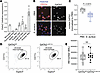 Figure 1
Alveolar macrophage GATA2 expression is context dependent. (A) Reanalysis of RNA-seq data from Qie et al. (32), quantifying relative expression of the Gata2 gene in tissue-resident macrophages (n = 3; mean ± SEM). (B and C) WT mice (C57BL/6) were intranasally infected with S. aureus for 24 hours, and AMs were isolated using bronchoalveolar lavage (BAL). (B) Representative images showing total GATA2 protein, CD11c, and Hoechst nuclear stain. (C) The MFI of nuclear total GATA2 was quantified in CD11c+ cells. Flow cytometry gating strategy (D) and quantification (E) of steady-state CD11c+SiglecF+ AMs isolated by BAL. Points represent individual mice pooled from 2 independent experiments (C) and 5 independent experiments (E). Significance was determined using unpaired 2-tailed t test.
To investigate the role of GATA2 in AMs, we generated myeloid-specific Gata2-deficient mice by crossing GATA2fl/fl mice (34) with LysM-Cre mice (35) to create GATA2LysM-Cre mice. This design deletes the DNA-binding C-terminal zinc finger domain of GATA2 in the presence of myeloid-specific Cre recombinase (Supplemental Figure 1B). We quantified steady-state CD11c+SiglecF+ AMs in the BAL by flow cytometry and found that AM numbers did not significantly differ between GATA2fl/fl and GATA2LysM-Cre mice (Figure 1, D and E). Thus, macrophage expression of GATA2 is regulated by the lung microenvironment and is not required for the development and maintenance of AMs.
Homeostatic functions remain largely intact in GATA2-deficient AMs. Given the central role of surfactant catabolism in AM lung-specific function, which depends on tightly regulated lipid metabolism, we examined whether GATA2 deficiency disrupts lipid homeostasis in AMs at steady state. Using AMs isolated directly ex vivo via BAL, we used BODIPY dye to stain intracellular neutral lipids and quantified the spot total intensity in CD11c+ AMs. We found no significant difference in neutral lipid content in GATA2-deficient AMs compared with GATA2fl/fl controls (Figure 2, A and B). We further assessed AM homeostatic functions by measuring the acute lipid uptake of dipalmitoyl-phosphatidylcholine (DPPC), the major lipid species found in pulmonary surfactant. AMs were treated ex vivo with NBD (7-nitro-2,1,3-benzoxadiazol-4-yl)–labeled (20 ng/mL; diluted in pulmonary surfactant) for 30 minutes, and no significant difference in DPPC uptake was observed in GATA2-deficient AMs (Supplemental Figure 1C). To determine whether GATA2fl/fl and GATA2LysM-Cre AMs differed in their lipid processing, we incubated serum-starved AMs with radiolabeled fatty acids (3H-oleic acid) diluted in pulmonary surfactant and performed a Folch lipid extraction to isolate the lipids and separate the different lipid species using TLC. Upon identifying and quantifying triglycerides, diacylglycerols, monoacylglycerols, free fatty acids (FFAs), and phospholipids, we found that the ability of GATA2-deficient AM processing of FFA into the various lipid species was comparable to that of GATA2fl/fl AMs (Figure 2C). Notably, most of the radiolabeled FFAs were not converted to other lipid species. Together, these data suggest that GATA2 deficiency does not substantially affect AM homeostatic functions, including neutral lipid content, lipid uptake, or lipid processing under steady-state conditions.
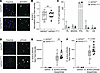 Figure 2
Homeostatic functions remain largely intact in GATA2-deficient alveolar macrophages. GATA2fl/fl and GATA2LysM-Cre AMs were isolated using BAL. (A and B) Neutral lipids were stained directly ex vivo using BODIPY dye. (A) Representative images of BODIPY and Hoechst nuclear stain. (B) Quantification of BODIPY spot total intensity; points represent individual mice pooled from 3 independent experiments, normalized based on the average GATA2fl/fl per experiment. (C) The percentage of 3H-labeled lipid species quantified via TLC after Folch lipid extraction; points represent individual mice and are representative of 2 independent experiments. (D–F) AMs were treated with S. aureus pHrodo bioparticles for 90 minutes and, after fixation, the spot total intensity of internalized bioparticles was quantified via immunofluorescence imaging. (D) Representative images of internalized pHrodo bioparticles and Hoechst nuclear stain. (E and F) Spot total intensity and spot total area of pHrodo-labeled bioparticles; points represent individual mice and are pooled from 5 independent experiments. Significance was determined using unpaired 2-tailed t test.
We next assessed AM phagocytic processing of pHrodo-labeled S. aureus bioparticles ex vivo. The fluorescence of pHrodo dye is sensitive to pH, with fluorescence being activated in acidic environments such as lysosomes. After 90 minutes of bioparticle exposure, we quantified pHrodo spot total intensity and spot total area within CD11c+ AMs and found increased pHrodo in GATA2-deficient AMs compared with control AMs, reaching statistical significance for the spot total area quantification metric (Figure 2, D–F). We also compared GATA2fl/fl and GATA2LysM-Cre AM phagocytosis of S. aureus bioparticles labeled with Alexa Fluor 594 and or of yellow-green carboxylate-modified polystyrene beads, both independent of lysosomal acidification, and observed no significant difference in uptake at 90 minutes (Supplemental Figure 1, D–G). Thus, although GATA2-deficient AMs largely maintain homeostatic functions at baseline, we observed selective alterations in phagocytic cargo handling, indicating that GATA2 may influence specific functional processes. Our S. aureus pHrodo results align with prior findings in THP1 cells demonstrating that GATA2 overexpression impairs phagosome-lysosome fusion and suppresses phagosomal acidification (29), suggesting a role for GATA2 in regulating phagocytic cargo processing.
GATA2 deficiency is associated with reduced AM numbers in bleomycin-induced fibrosis. Lung macrophage expression of GATA2 decreases in patients with COPD and in mice with cigarette smoke–induced COPD, and studies using knockdown and overexpression in RAW264.7 macrophages demonstrate that GATA2 regulates macrophage expression of Mmp9 and Mmp12, as well as inflammatory chemokine genes and other genes associated with profibrotic lung inflammation (30). We examined the overlap between fibrosis-associated genes and known GATA2 targets by leveraging AM and pulmonary fibrosis gene sets from Harmonizome 3.0 to define an “AM + Pulmonary Fibrosis” gene list (see Methods). We also defined an “AM + GATA2 targets” gene list, composed of known GATA2 targets from the ChEA3 TF target database (https://maayanlab.cloud/chea3/) within the same AM gene set. We then determined the intersection of these 2 lists and assessed the significance of the observed overlap (Figure 3A). Using a 1-sided Fisher’s exact test, we found that GATA2 target genes were significantly enriched in the AM + Pulmonary Fibrosis set (P value = 0.00023), suggesting that GATA2 could play a functional role in regulating fibrosis-associated type 2 inflammatory responses in AMs.
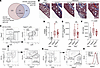 Figure 3
GATA2-deficiency is associated with reduced alveolar macrophage numbers in bleomycin-induced fibrosis. (A) Venn diagram represents the overlap between AM pulmonary fibrosis gene set and AM GATA2 target gene set. (B–H) Mice were treated intratracheally with bleomycin (3 U/kg) and euthanized 14 days later for lung tissue harvest and analysis. (B) Representative Masson trichrome stain. (C) Representative bleomycin lung flow cytometry plots showing gating strategy for eosinophils, neutrophils, monocytes, and macrophages. (D) Soluble collagen was quantified by Sircol assay. Quantification of CD11bhi macrophages (E) and SiglecF+CD11blo AMs (F). (G) Representative PBS lung flow cytometry plots. (H) Flow cytometry histogram showing AM SiglecF expression in representative PBS- or bleomycin-treated mice. Points represent individual mice pooled from 3 independent experiments; collagen data in D were normalized based on the average PBS control sample per experiment. Significance was determined using 1-way ANOVA with post hoc pairwise testing using Šídák’s multiple-comparison test.
To assess the role of GATA2 in lung fibrosis progression, we used a model of intratracheal bleomycin administration (3 U/kg) to induce fibrosis over 14 days (Figure 3B). At day 14, mice were euthanized and lungs were harvested for analysis of immune populations and quantification of soluble collagen (Figure 3, C and D). Although collagen deposition trended higher in GATA2-deficient animals (Figure 3D), significant GATA2-dependent differences were not observed in collagen or in the abundance of infiltrating immune populations (Supplemental Figure 2). Flow cytometric analysis of bleomycin-treated mice revealed 2 CD64+ macrophage populations, consisting of CD11bhi macrophages and CD11blo SiglecF+ AMs (Figure 3, C, E, and F). We observed a significant decrease in AMs in GATA2LysM-Cre mice compared with GATA2fl/fl controls (Figure 3F). Notably, these AMs exhibited substantially reduced SiglecF expression compared with AMs from PBS-treated mice (Figure 3, G and H). We speculate that lower SiglecF expression indicates replacement of tissue-resident AMs by monocyte-derived AMs, which have been shown to express lower SiglecF using a lineage-tracing system in the context of bleomycin-induced fibrosis (5). However, we acknowledge that downregulation of SiglecF on tissue-resident AMs has also been reported during lung inflammation (36), and therefore SiglecF expression alone cannot definitively distinguish macrophage origin in this setting. Thus, GATA2 may contribute to AM survival during inflammation or to monocyte-derived AM differentiation.
IL-33 indirectly induces a robust AM type 2 transcriptomic program. Given the altered AM phenotype that we observed 14 days after bleomycin, consistent with previously reported replacement of tissue-resident AM with monocyte derived AMs in this model (37, 38), we sought an acute model to assess how loss of GATA2 affects tissue-resident AM responses. IL-33 binds to the ST2/IL-1 receptor accessory protein (IL-1RAP) heterodimer and has been linked to the pathogenesis of pulmonary fibrosis (39). Primarily expressed by type II alveolar epithelial cells and fibroblasts in the lung, IL-33 drives the expression of type 2 cytokines (e.g., IL-4, IL-5, and IL-13) by type 2 innate lymphoid cells, basophils, and mast cells, promoting a sustained inflammatory state with increased airway remodeling and obstruction (39–43). Intranasal IL-33 is sufficient to induce rapid and robust type 2 inflammation, characterized by eosinophilia and mucus hyperplasia (44).
To assess acute, tissue-resident AM responses to profibrotic signals, we used a model of IL-33–induced type 2 inflammation. Mice were treated with IL-33 (1 μg) or PBS, and BAL cells were analyzed by flow cytometry. After 24 hours, AMs maintained high levels of SiglecF, and there was no significant change in AM numbers between PBS- and IL-33–treated mice (Figure 4, A and B). This suggests that, in contrast to bleomycin-induced fibrosis, the tissue-resident AM population remains intact 24 hours after IL-33 administration. CD11b–SiglecF+CD11c+ AMs were sorted from 8-week-old mice treated with 1 μg of IL-33 or PBS for RNA-seq analysis. Compared with control PBS-treated mice, intranasal IL-33 treatment resulted in 1,007 upregulated and 1,031 downregulated differentially expressed genes (DEGs) in AMs (Figure 4C), with upregulated genes including Chil3, Arg1, and Retnla, which are commonly associated with type 2 macrophage transcriptional programming (45). Kyoto Encyclopedia of Genes and Genomes (KEGG) pathway enrichment analysis of AM IL-33 DEGs highlighted TCA cycle, oxidative phosphorylation, and metabolic pathways as enriched in IL-33–induced inflammation (Supplemental Figure 3A).
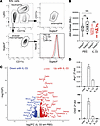 Figure 4
IL-33 indirectly induces a robust alveolar macrophage type 2 transcriptomic program. Mice were treated intranasally with 1 μg of IL-33 or PBS and euthanized 24 hours later for analysis. BAL was isolated from PBS- and IL-33–treated GATA2fl/fl and GATA2LysM-Cre mice; data points represent individual mice pooled from more than 3 independent experiments. (A) Representative BAL flow cytometry plots showing gating strategies for neutrophils, eosinophils, and AMs, and histogram showing AM SiglecF expression in representative PBS- or IL-33–treated mice. (B) SiglecF+CD11c+CD11b– AMs were quantified from BAL; points represent individual mice pooled from 3 independent experiments; significance was determined using 1-way ANOVA with post hoc pairwise testing using Šídák’s multiple-comparison test. (C) Volcano plot of IL-33 differentially expressed genes, showing the –log10 of adjusted P value and log2 expression fold-change in IL-33–treated AMs relative to PBS treatment. (D) AMs were isolated by BAL and treated ex vivo with IL-33 (20 ng/mL), IL-13 (20 ng/mL), or IL-4 (10 ng/mL) for 24 hours. Quantification of mRNA transcripts for type 2 response genes Arg1 and Chil3 (n = 3; mean ± SEM) is representative of 2 independent experiments.
Given that AMs do not highly express the IL-33 receptor ST2, we speculated that AM may not directly respond to IL-33, but rather to IL-33–induced type 2 cytokines. To explore this, we isolated AMs by BAL; treated them ex vivo with type 2 cytokines IL-4, IL-13, or IL-33; and then quantified Arg1 and Chil3 expression via quantitative PCR (qPCR). IL-4 and IL-13 stimulation resulted in a strong induction of Arg1 and Chil3 expression, whereas IL-33 stimulation did not elicit their expression (Figure 4D). Together, these data suggest that IL-33 rapidly induces type 2 inflammation in the lung, indirectly initiating a robust type 2 transcriptomic response in AMs. Our results are consistent with a recent report that IL-33 activates type 2 innate lymphoid cells to produce IL-13, which drives a type 2 inflammatory program in tissue-resident AMs (36).
GATA2 restrains AM responses to type 2 inflammation. To assess the effect of myeloid-specific GATA2 deficiency on type 2 inflammatory responses in the lung, we evaluated immune cell infiltration 24 hours after intranasal IL-33 administration. Flow cytometry analysis revealed a modest increase in the infiltration of eosinophils and neutrophils in the lungs of GATA2LysM-Cre mice compared with GATA2fl/fl controls, with the difference in eosinophil frequencies reaching statistical significance (Figure 5, A and B). To quantify the role of GATA2 in tissue-resident AMs during type 2 inflammation, we analyzed transcriptomic profiles of SiglecF+CD11c+CD11b– AMs sorted from GATA2fl/fl and GATA2LysM-Cre mice 24 hours after intranasal IL-33 administration and identified 441 GATA2-dependent DEGs.
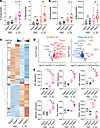 Figure 5
GATA2 restrains alveolar macrophage responses to type 2 inflammation. Mice were treated intranasally with 1 μg of IL-33 or PBS and euthanized 24 hours later for analysis. BAL was isolated from PBS- and IL-33–treated GATA2fl/fl and GATA2LysM-Cre mice, and the percentages (A) and numbers (B) of eosinophils and neutrophils were quantified by flow cytometry. Data points represent individual mice pooled from 3 independent experiments; significance was determined using 1-way ANOVA with post hoc pairwise testing using Šídák’s multiple-comparison test. (C–E) SiglecF+CD11c+CD11b– AMs were isolated from BAL by FACS and analyzed by RNA-seq. (C) A heatmap showing z-scored expression of all IL-33 differentially expressed genes; genes differentially expressed with GATA2 deficiency are indicated in the column on the left. (D) Volcano plots of IL-33 upregulated genes (left) and downregulated genes (right), showing the –log10 of adjusted P value and log2 expression fold-change in GATA2-deficient AMs relative to GATA2fl/fl AMs. (E) Normalized expression of differentially expressed transcription factor genes from RNA-seq analysis of BAL-isolated AMs across the indicated treatment groups; data points represent individual mice. Pairwise comparisons yielding statistically significant differential expression (adjusted P values < 0.05) are indicated with an asterisk.
To elucidate the impact of GATA2 deficiency on AM expression of IL-33–regulated genes, we plotted the expression of the 2,038 IL-33–regulated AM genes across the 4 treatment groups (Figure 5C). We then directly compared AMs from IL-33–treated GATA2LysM-Cre mice with those from IL-33–treated GATA2fl/fl mice. This analysis revealed that GATA2 deficiency amplified inflammatory gene regulation, with IL-33–upregulated genes showing even higher expression and IL-33–downregulated genes showing even lower expression in GATA2-deficient AMs (Figure 5D). Specific examples include Atf4, Mmp12, Timp1, Adam8, Il6, and Il1a, which have been shown to promote lung fibrosis (46, 47); these genes were highly expressed in GATA2fl/fl AMs treated after IL-33 administration, and these genes exhibited increased expression with GATA2 deficiency (Figure 5D). These data suggest that GATA2 deficiency results in enhanced AM transcriptomic responses to type 2 inflammation.
Analysis of differentially regulated TF genes (Figure 5E) showed that in response to IL-33–induced inflammation, GATA2-deficient AMs have increased expression of proinflammatory TF genes Stat2, Irf4, and Atf4 compared with their WT littermates (Figure 5E). With GATA2 deficiency, we also noted differential expression of TFs and other genes that were not differentially expressed when comparing IL-33 with PBS in GATA2fl/fl control mice (Figure 5E and Supplemental Figure 3B). Both Bhlhe40 and Tfec have been previously associated with macrophage type 2 responses (48, 49). Notably, CEBPα is a known regulator of mitochondrial genes, its activity results in increased mitochondrial mass and respiration (24, 25), and its regulation in IL-33–induced inflammation is dependent on GATA2. This differential TF expression pattern is expected to drive enhanced proinflammatory functions in GATA2LysM-Cre AMs and is consistent with the elevated type 2 inflammatory transcriptomic profile.
GATA2 controls AM metabolic activity. To elucidate GATA2-dependent mechanisms, we analyzed all GATA2 DEGs using unbiased KEGG pathway–focused gene set enrichment analysis and found that genes associated with metabolic pathways, fatty acid metabolism, and biosynthesis of unsaturated fatty acids were highly enriched (Figure 6A). Considering that AM lipid metabolism is central to their tissue-specific function of surfactant catabolism, we further explored the DEGs in the KEGG metabolic pathway gene set (Figure 6B). Although these genes were not differentially expressed at steady state, IL-33–induced metabolic reprogramming was more pronounced in GATA2-deficient AMs. We observed upregulation of genes associated with biosynthetic functions (Impdh, Odc1, and Gatm) (50–52) and stress adaption (Chac1, Lap3, and GatmA) (50, 53, 54), along with downregulation of genes required for mitochondrial function (Cox6b2 and Hadha) (55, 56) and lipid processing (Dgkd and Lipf). These differential gene expression patterns suggest that GATA2LysM-Cre AMs are more bioenergetically dysregulated in the context of type 2 inflammation (Figure 6B).
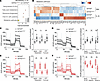 Figure 6
GATA2 controls alveolar macrophage metabolic activity. Mice were treated intranasally with 1 μg of IL-33 or PBS and euthanized 24 hours later for analysis. (A and B) SiglecF+CD11c+CD11b– AMs were isolated from BAL by FACS and analyzed by RNA-seq. (A) KEGG pathway–focused gene set enrichment analysis using differentially expressed genes (DEGs) comparing GATA2fl/fl and GATA2LysM-Cre AMs from IL-33–treated mice. (B) Heatmap showing z-scored expression of GATA2 DEGs from the KEGG “Metabolic Pathways” gene set. (C–F) SiglecF+CD11c+CD11b– AMs were isolated from BAL by FACS and plated for Seahorse extracellular flux analysis of AMs isolated from PBS-treated (black; C and D) or IL-33–treated (red; E and F) GATA2fl/fl and GATA2LysM-Cre mice. (C–F) OCR and ECAR kinetic traces show individual mice from 1 representative experiment where the vertical dashed lines represent sequential injections of oligomycin, FCCP, and rotenone/antimycin A, respectively. OCR and ECAR parameter plots show individual mice pooled from 3 independent experiments and normalized to the average of the GATA2fl/fl group from each experiment. Significance was calculated using multiple unpaired 2-tailed t tests, with a 2-stage step-up (Benjamini, Krieger, and Yekutieli) and an FDR of 1%; ns = P > 0.05, *P < 0.05, **P < 0.01.
To directly address the impact of GATA2 deficiency on AM metabolic capacity, we performed Seahorse metabolic flux analysis on GATA2fl/fl and GATA2LysM-Cre AMs isolated under steady-state conditions. We found that GATA2-deficient AMs exhibited a statistically significant increase in basal respiration, maximal respiration, and ATP turnover compared with GATA2fl/fl AMs (Figure 6C). We also measured extracellular acidification rates (ECARs), which revealed that GATA2-deficient AMs had increased basal ECAR and glycolytic capacity compared with GATA2fl/fl AMs (Figure 6). Together, these data indicate that GATA2-deficient AMs are more metabolically active in the steady-state lung. We also performed this Seahorse assay after intranasal IL-33 treatment to GATA2fl/fl and GATA2LysM-Cre AMs at the time point corresponding to our RNA-seq analysis (24 hours) to assess how GATA2 affects metabolic flux of AMs in the context of type 2 inflammation. In contrast to our steady-state results, 24 hours after IL-33 treatment, mitochondrial respiration (oxygen consumption rate, OCR) and glycolytic capacity (ECAR) were decreased in GATA2LysM-Cre AMs compared with GATA2fl/fl AMs (Figure 6, E and F). Thus, our findings suggest that GATA2-deficient AMs exhibit mitochondrial dysfunction and implicate GATA2 in shaping the tissue-specific metabolic function of AMs.
We used the ChEA3 ChIP-Seq library to identify TFs whose targets are enriched in GATA2 DEGs (Supplemental Figure 3C). In addition to PPARγ and PU.1 (Spi1), several enriched TFs have been described to interact with GATA2 in various cellular contexts, including lineage commitment and cancer progression (Supplemental Figure 3C; darker bars). Focusing on top-ranked TFs by P value that are also highly expressed in AMs, we visualized these TFs and GATA2 alongside their target genes that were also metabolism-associated GATA2 DEGs (Supplemental Figure 3D). Notably, GATA2 appears closely linked to PU.1, consistent with known physical interactions between GATA2 and PU.1 and their context-specific cooperative and/or antagonistic interactions (27). We speculate that GATA2 interacts with TFs that are central to AM lipid metabolism and homeostatic functions, such PPARγ, the CEBP family, and PU.1, as has been demonstrated in other cell types (20, 21, 57, 58).


