
Research ArticleCell biologyNephrology
Open Access |  10.1172/jci.insight.197643
Extracellular vesicle miR-93-5p cargo regulates glomerular endothelial cell damage in Alport syndrome
Charmi Dedhia,1 Valentina Villani,1 Xiaogang Hou,1 Paolo Neviani,2 Geremy Clair,3 Mohammadreza Kasravi,1 Cristina Grange,4 Paolo Cravedi,5 Paola Aguiari,1 Velia Alcala,1 Giuseppe Orlando,6 Xue-Ying Song,7 Jonathan E. Zuckerman,8 Roger E. De Filippo,1,9 Stefano Da Sacco,1,9 Sargis Sedrakyan,1,9 Benedetta Bussolati,4 and Laura Perin1,9
1The GOFARR Laboratory, The Saban Research Institute, Division of Urology, and
2Extracellular Vesicle Core, The Saban Research Institute, Children’s Hospital Los Angeles, Los Angeles, California, USA.
3Biological Sciences Division, Pacific Northwest National Laboratory, Richland, Washington, USA.
4Department of Medical Sciences, University of Turin, Turin, Italy.
5Department of Medicine, Translational Transplant Research Center, Icahn School of Medicine at Mount Sinai, New York, New York, USA.
6Section of Transplantation, Department of Surgery, Wake Forest University School of Medicine, Winston Salem, North Carolina, USA.
7Applied Genomics, Computation, and Translational Core, Cedars-Sinai Medical Center Los Angeles, California, USA.
8Department of Pathology and Lab Medicine, David Geffen School of Medicine at UCLA, Los Angeles, California, USA.
9Department of Urology, Keck School of Medicine, University of Southern California, Los Angeles, California, USA.
Address correspondence to: Laura Perin, Saban Research Institute, Children’s Hospital Los Angeles, 4661 Sunset Boulevard, Los Angeles, California 90027, USA. Phone: 323.361.4584; Email: lperin@chla.usc.edu.
Find articles by Dedhia, C. in: PubMed | Google Scholar
1The GOFARR Laboratory, The Saban Research Institute, Division of Urology, and
2Extracellular Vesicle Core, The Saban Research Institute, Children’s Hospital Los Angeles, Los Angeles, California, USA.
3Biological Sciences Division, Pacific Northwest National Laboratory, Richland, Washington, USA.
4Department of Medical Sciences, University of Turin, Turin, Italy.
5Department of Medicine, Translational Transplant Research Center, Icahn School of Medicine at Mount Sinai, New York, New York, USA.
6Section of Transplantation, Department of Surgery, Wake Forest University School of Medicine, Winston Salem, North Carolina, USA.
7Applied Genomics, Computation, and Translational Core, Cedars-Sinai Medical Center Los Angeles, California, USA.
8Department of Pathology and Lab Medicine, David Geffen School of Medicine at UCLA, Los Angeles, California, USA.
9Department of Urology, Keck School of Medicine, University of Southern California, Los Angeles, California, USA.
Address correspondence to: Laura Perin, Saban Research Institute, Children’s Hospital Los Angeles, 4661 Sunset Boulevard, Los Angeles, California 90027, USA. Phone: 323.361.4584; Email: lperin@chla.usc.edu.
Find articles by Villani, V. in: PubMed | Google Scholar
1The GOFARR Laboratory, The Saban Research Institute, Division of Urology, and
2Extracellular Vesicle Core, The Saban Research Institute, Children’s Hospital Los Angeles, Los Angeles, California, USA.
3Biological Sciences Division, Pacific Northwest National Laboratory, Richland, Washington, USA.
4Department of Medical Sciences, University of Turin, Turin, Italy.
5Department of Medicine, Translational Transplant Research Center, Icahn School of Medicine at Mount Sinai, New York, New York, USA.
6Section of Transplantation, Department of Surgery, Wake Forest University School of Medicine, Winston Salem, North Carolina, USA.
7Applied Genomics, Computation, and Translational Core, Cedars-Sinai Medical Center Los Angeles, California, USA.
8Department of Pathology and Lab Medicine, David Geffen School of Medicine at UCLA, Los Angeles, California, USA.
9Department of Urology, Keck School of Medicine, University of Southern California, Los Angeles, California, USA.
Address correspondence to: Laura Perin, Saban Research Institute, Children’s Hospital Los Angeles, 4661 Sunset Boulevard, Los Angeles, California 90027, USA. Phone: 323.361.4584; Email: lperin@chla.usc.edu.
Find articles by Hou, X. in: PubMed | Google Scholar
1The GOFARR Laboratory, The Saban Research Institute, Division of Urology, and
2Extracellular Vesicle Core, The Saban Research Institute, Children’s Hospital Los Angeles, Los Angeles, California, USA.
3Biological Sciences Division, Pacific Northwest National Laboratory, Richland, Washington, USA.
4Department of Medical Sciences, University of Turin, Turin, Italy.
5Department of Medicine, Translational Transplant Research Center, Icahn School of Medicine at Mount Sinai, New York, New York, USA.
6Section of Transplantation, Department of Surgery, Wake Forest University School of Medicine, Winston Salem, North Carolina, USA.
7Applied Genomics, Computation, and Translational Core, Cedars-Sinai Medical Center Los Angeles, California, USA.
8Department of Pathology and Lab Medicine, David Geffen School of Medicine at UCLA, Los Angeles, California, USA.
9Department of Urology, Keck School of Medicine, University of Southern California, Los Angeles, California, USA.
Address correspondence to: Laura Perin, Saban Research Institute, Children’s Hospital Los Angeles, 4661 Sunset Boulevard, Los Angeles, California 90027, USA. Phone: 323.361.4584; Email: lperin@chla.usc.edu.
Find articles by Neviani, P. in: PubMed | Google Scholar
1The GOFARR Laboratory, The Saban Research Institute, Division of Urology, and
2Extracellular Vesicle Core, The Saban Research Institute, Children’s Hospital Los Angeles, Los Angeles, California, USA.
3Biological Sciences Division, Pacific Northwest National Laboratory, Richland, Washington, USA.
4Department of Medical Sciences, University of Turin, Turin, Italy.
5Department of Medicine, Translational Transplant Research Center, Icahn School of Medicine at Mount Sinai, New York, New York, USA.
6Section of Transplantation, Department of Surgery, Wake Forest University School of Medicine, Winston Salem, North Carolina, USA.
7Applied Genomics, Computation, and Translational Core, Cedars-Sinai Medical Center Los Angeles, California, USA.
8Department of Pathology and Lab Medicine, David Geffen School of Medicine at UCLA, Los Angeles, California, USA.
9Department of Urology, Keck School of Medicine, University of Southern California, Los Angeles, California, USA.
Address correspondence to: Laura Perin, Saban Research Institute, Children’s Hospital Los Angeles, 4661 Sunset Boulevard, Los Angeles, California 90027, USA. Phone: 323.361.4584; Email: lperin@chla.usc.edu.
Find articles by
Clair, G.
in:
PubMed
|
Google Scholar
|

1The GOFARR Laboratory, The Saban Research Institute, Division of Urology, and
2Extracellular Vesicle Core, The Saban Research Institute, Children’s Hospital Los Angeles, Los Angeles, California, USA.
3Biological Sciences Division, Pacific Northwest National Laboratory, Richland, Washington, USA.
4Department of Medical Sciences, University of Turin, Turin, Italy.
5Department of Medicine, Translational Transplant Research Center, Icahn School of Medicine at Mount Sinai, New York, New York, USA.
6Section of Transplantation, Department of Surgery, Wake Forest University School of Medicine, Winston Salem, North Carolina, USA.
7Applied Genomics, Computation, and Translational Core, Cedars-Sinai Medical Center Los Angeles, California, USA.
8Department of Pathology and Lab Medicine, David Geffen School of Medicine at UCLA, Los Angeles, California, USA.
9Department of Urology, Keck School of Medicine, University of Southern California, Los Angeles, California, USA.
Address correspondence to: Laura Perin, Saban Research Institute, Children’s Hospital Los Angeles, 4661 Sunset Boulevard, Los Angeles, California 90027, USA. Phone: 323.361.4584; Email: lperin@chla.usc.edu.
Find articles by Kasravi, M. in: PubMed | Google Scholar
1The GOFARR Laboratory, The Saban Research Institute, Division of Urology, and
2Extracellular Vesicle Core, The Saban Research Institute, Children’s Hospital Los Angeles, Los Angeles, California, USA.
3Biological Sciences Division, Pacific Northwest National Laboratory, Richland, Washington, USA.
4Department of Medical Sciences, University of Turin, Turin, Italy.
5Department of Medicine, Translational Transplant Research Center, Icahn School of Medicine at Mount Sinai, New York, New York, USA.
6Section of Transplantation, Department of Surgery, Wake Forest University School of Medicine, Winston Salem, North Carolina, USA.
7Applied Genomics, Computation, and Translational Core, Cedars-Sinai Medical Center Los Angeles, California, USA.
8Department of Pathology and Lab Medicine, David Geffen School of Medicine at UCLA, Los Angeles, California, USA.
9Department of Urology, Keck School of Medicine, University of Southern California, Los Angeles, California, USA.
Address correspondence to: Laura Perin, Saban Research Institute, Children’s Hospital Los Angeles, 4661 Sunset Boulevard, Los Angeles, California 90027, USA. Phone: 323.361.4584; Email: lperin@chla.usc.edu.
Find articles by Grange, C. in: PubMed | Google Scholar
1The GOFARR Laboratory, The Saban Research Institute, Division of Urology, and
2Extracellular Vesicle Core, The Saban Research Institute, Children’s Hospital Los Angeles, Los Angeles, California, USA.
3Biological Sciences Division, Pacific Northwest National Laboratory, Richland, Washington, USA.
4Department of Medical Sciences, University of Turin, Turin, Italy.
5Department of Medicine, Translational Transplant Research Center, Icahn School of Medicine at Mount Sinai, New York, New York, USA.
6Section of Transplantation, Department of Surgery, Wake Forest University School of Medicine, Winston Salem, North Carolina, USA.
7Applied Genomics, Computation, and Translational Core, Cedars-Sinai Medical Center Los Angeles, California, USA.
8Department of Pathology and Lab Medicine, David Geffen School of Medicine at UCLA, Los Angeles, California, USA.
9Department of Urology, Keck School of Medicine, University of Southern California, Los Angeles, California, USA.
Address correspondence to: Laura Perin, Saban Research Institute, Children’s Hospital Los Angeles, 4661 Sunset Boulevard, Los Angeles, California 90027, USA. Phone: 323.361.4584; Email: lperin@chla.usc.edu.
Find articles by
Cravedi, P.
in:
PubMed
|
Google Scholar
|
1The GOFARR Laboratory, The Saban Research Institute, Division of Urology, and
2Extracellular Vesicle Core, The Saban Research Institute, Children’s Hospital Los Angeles, Los Angeles, California, USA.
3Biological Sciences Division, Pacific Northwest National Laboratory, Richland, Washington, USA.
4Department of Medical Sciences, University of Turin, Turin, Italy.
5Department of Medicine, Translational Transplant Research Center, Icahn School of Medicine at Mount Sinai, New York, New York, USA.
6Section of Transplantation, Department of Surgery, Wake Forest University School of Medicine, Winston Salem, North Carolina, USA.
7Applied Genomics, Computation, and Translational Core, Cedars-Sinai Medical Center Los Angeles, California, USA.
8Department of Pathology and Lab Medicine, David Geffen School of Medicine at UCLA, Los Angeles, California, USA.
9Department of Urology, Keck School of Medicine, University of Southern California, Los Angeles, California, USA.
Address correspondence to: Laura Perin, Saban Research Institute, Children’s Hospital Los Angeles, 4661 Sunset Boulevard, Los Angeles, California 90027, USA. Phone: 323.361.4584; Email: lperin@chla.usc.edu.
Find articles by Aguiari, P. in: PubMed | Google Scholar
1The GOFARR Laboratory, The Saban Research Institute, Division of Urology, and
2Extracellular Vesicle Core, The Saban Research Institute, Children’s Hospital Los Angeles, Los Angeles, California, USA.
3Biological Sciences Division, Pacific Northwest National Laboratory, Richland, Washington, USA.
4Department of Medical Sciences, University of Turin, Turin, Italy.
5Department of Medicine, Translational Transplant Research Center, Icahn School of Medicine at Mount Sinai, New York, New York, USA.
6Section of Transplantation, Department of Surgery, Wake Forest University School of Medicine, Winston Salem, North Carolina, USA.
7Applied Genomics, Computation, and Translational Core, Cedars-Sinai Medical Center Los Angeles, California, USA.
8Department of Pathology and Lab Medicine, David Geffen School of Medicine at UCLA, Los Angeles, California, USA.
9Department of Urology, Keck School of Medicine, University of Southern California, Los Angeles, California, USA.
Address correspondence to: Laura Perin, Saban Research Institute, Children’s Hospital Los Angeles, 4661 Sunset Boulevard, Los Angeles, California 90027, USA. Phone: 323.361.4584; Email: lperin@chla.usc.edu.
Find articles by Alcala, V. in: PubMed | Google Scholar
1The GOFARR Laboratory, The Saban Research Institute, Division of Urology, and
2Extracellular Vesicle Core, The Saban Research Institute, Children’s Hospital Los Angeles, Los Angeles, California, USA.
3Biological Sciences Division, Pacific Northwest National Laboratory, Richland, Washington, USA.
4Department of Medical Sciences, University of Turin, Turin, Italy.
5Department of Medicine, Translational Transplant Research Center, Icahn School of Medicine at Mount Sinai, New York, New York, USA.
6Section of Transplantation, Department of Surgery, Wake Forest University School of Medicine, Winston Salem, North Carolina, USA.
7Applied Genomics, Computation, and Translational Core, Cedars-Sinai Medical Center Los Angeles, California, USA.
8Department of Pathology and Lab Medicine, David Geffen School of Medicine at UCLA, Los Angeles, California, USA.
9Department of Urology, Keck School of Medicine, University of Southern California, Los Angeles, California, USA.
Address correspondence to: Laura Perin, Saban Research Institute, Children’s Hospital Los Angeles, 4661 Sunset Boulevard, Los Angeles, California 90027, USA. Phone: 323.361.4584; Email: lperin@chla.usc.edu.
Find articles by Orlando, G. in: PubMed | Google Scholar
1The GOFARR Laboratory, The Saban Research Institute, Division of Urology, and
2Extracellular Vesicle Core, The Saban Research Institute, Children’s Hospital Los Angeles, Los Angeles, California, USA.
3Biological Sciences Division, Pacific Northwest National Laboratory, Richland, Washington, USA.
4Department of Medical Sciences, University of Turin, Turin, Italy.
5Department of Medicine, Translational Transplant Research Center, Icahn School of Medicine at Mount Sinai, New York, New York, USA.
6Section of Transplantation, Department of Surgery, Wake Forest University School of Medicine, Winston Salem, North Carolina, USA.
7Applied Genomics, Computation, and Translational Core, Cedars-Sinai Medical Center Los Angeles, California, USA.
8Department of Pathology and Lab Medicine, David Geffen School of Medicine at UCLA, Los Angeles, California, USA.
9Department of Urology, Keck School of Medicine, University of Southern California, Los Angeles, California, USA.
Address correspondence to: Laura Perin, Saban Research Institute, Children’s Hospital Los Angeles, 4661 Sunset Boulevard, Los Angeles, California 90027, USA. Phone: 323.361.4584; Email: lperin@chla.usc.edu.
Find articles by Song, X. in: PubMed | Google Scholar
1The GOFARR Laboratory, The Saban Research Institute, Division of Urology, and
2Extracellular Vesicle Core, The Saban Research Institute, Children’s Hospital Los Angeles, Los Angeles, California, USA.
3Biological Sciences Division, Pacific Northwest National Laboratory, Richland, Washington, USA.
4Department of Medical Sciences, University of Turin, Turin, Italy.
5Department of Medicine, Translational Transplant Research Center, Icahn School of Medicine at Mount Sinai, New York, New York, USA.
6Section of Transplantation, Department of Surgery, Wake Forest University School of Medicine, Winston Salem, North Carolina, USA.
7Applied Genomics, Computation, and Translational Core, Cedars-Sinai Medical Center Los Angeles, California, USA.
8Department of Pathology and Lab Medicine, David Geffen School of Medicine at UCLA, Los Angeles, California, USA.
9Department of Urology, Keck School of Medicine, University of Southern California, Los Angeles, California, USA.
Address correspondence to: Laura Perin, Saban Research Institute, Children’s Hospital Los Angeles, 4661 Sunset Boulevard, Los Angeles, California 90027, USA. Phone: 323.361.4584; Email: lperin@chla.usc.edu.
Find articles by Zuckerman, J. in: PubMed | Google Scholar
1The GOFARR Laboratory, The Saban Research Institute, Division of Urology, and
2Extracellular Vesicle Core, The Saban Research Institute, Children’s Hospital Los Angeles, Los Angeles, California, USA.
3Biological Sciences Division, Pacific Northwest National Laboratory, Richland, Washington, USA.
4Department of Medical Sciences, University of Turin, Turin, Italy.
5Department of Medicine, Translational Transplant Research Center, Icahn School of Medicine at Mount Sinai, New York, New York, USA.
6Section of Transplantation, Department of Surgery, Wake Forest University School of Medicine, Winston Salem, North Carolina, USA.
7Applied Genomics, Computation, and Translational Core, Cedars-Sinai Medical Center Los Angeles, California, USA.
8Department of Pathology and Lab Medicine, David Geffen School of Medicine at UCLA, Los Angeles, California, USA.
9Department of Urology, Keck School of Medicine, University of Southern California, Los Angeles, California, USA.
Address correspondence to: Laura Perin, Saban Research Institute, Children’s Hospital Los Angeles, 4661 Sunset Boulevard, Los Angeles, California 90027, USA. Phone: 323.361.4584; Email: lperin@chla.usc.edu.
Find articles by De Filippo, R. in: PubMed | Google Scholar
1The GOFARR Laboratory, The Saban Research Institute, Division of Urology, and
2Extracellular Vesicle Core, The Saban Research Institute, Children’s Hospital Los Angeles, Los Angeles, California, USA.
3Biological Sciences Division, Pacific Northwest National Laboratory, Richland, Washington, USA.
4Department of Medical Sciences, University of Turin, Turin, Italy.
5Department of Medicine, Translational Transplant Research Center, Icahn School of Medicine at Mount Sinai, New York, New York, USA.
6Section of Transplantation, Department of Surgery, Wake Forest University School of Medicine, Winston Salem, North Carolina, USA.
7Applied Genomics, Computation, and Translational Core, Cedars-Sinai Medical Center Los Angeles, California, USA.
8Department of Pathology and Lab Medicine, David Geffen School of Medicine at UCLA, Los Angeles, California, USA.
9Department of Urology, Keck School of Medicine, University of Southern California, Los Angeles, California, USA.
Address correspondence to: Laura Perin, Saban Research Institute, Children’s Hospital Los Angeles, 4661 Sunset Boulevard, Los Angeles, California 90027, USA. Phone: 323.361.4584; Email: lperin@chla.usc.edu.
Find articles by
Da Sacco, S.
in:
PubMed
|
Google Scholar
|
1The GOFARR Laboratory, The Saban Research Institute, Division of Urology, and
2Extracellular Vesicle Core, The Saban Research Institute, Children’s Hospital Los Angeles, Los Angeles, California, USA.
3Biological Sciences Division, Pacific Northwest National Laboratory, Richland, Washington, USA.
4Department of Medical Sciences, University of Turin, Turin, Italy.
5Department of Medicine, Translational Transplant Research Center, Icahn School of Medicine at Mount Sinai, New York, New York, USA.
6Section of Transplantation, Department of Surgery, Wake Forest University School of Medicine, Winston Salem, North Carolina, USA.
7Applied Genomics, Computation, and Translational Core, Cedars-Sinai Medical Center Los Angeles, California, USA.
8Department of Pathology and Lab Medicine, David Geffen School of Medicine at UCLA, Los Angeles, California, USA.
9Department of Urology, Keck School of Medicine, University of Southern California, Los Angeles, California, USA.
Address correspondence to: Laura Perin, Saban Research Institute, Children’s Hospital Los Angeles, 4661 Sunset Boulevard, Los Angeles, California 90027, USA. Phone: 323.361.4584; Email: lperin@chla.usc.edu.
Find articles by Sedrakyan, S. in: PubMed | Google Scholar
1The GOFARR Laboratory, The Saban Research Institute, Division of Urology, and
2Extracellular Vesicle Core, The Saban Research Institute, Children’s Hospital Los Angeles, Los Angeles, California, USA.
3Biological Sciences Division, Pacific Northwest National Laboratory, Richland, Washington, USA.
4Department of Medical Sciences, University of Turin, Turin, Italy.
5Department of Medicine, Translational Transplant Research Center, Icahn School of Medicine at Mount Sinai, New York, New York, USA.
6Section of Transplantation, Department of Surgery, Wake Forest University School of Medicine, Winston Salem, North Carolina, USA.
7Applied Genomics, Computation, and Translational Core, Cedars-Sinai Medical Center Los Angeles, California, USA.
8Department of Pathology and Lab Medicine, David Geffen School of Medicine at UCLA, Los Angeles, California, USA.
9Department of Urology, Keck School of Medicine, University of Southern California, Los Angeles, California, USA.
Address correspondence to: Laura Perin, Saban Research Institute, Children’s Hospital Los Angeles, 4661 Sunset Boulevard, Los Angeles, California 90027, USA. Phone: 323.361.4584; Email: lperin@chla.usc.edu.
Find articles by
Bussolati, B.
in:
PubMed
|
Google Scholar
|
1The GOFARR Laboratory, The Saban Research Institute, Division of Urology, and
2Extracellular Vesicle Core, The Saban Research Institute, Children’s Hospital Los Angeles, Los Angeles, California, USA.
3Biological Sciences Division, Pacific Northwest National Laboratory, Richland, Washington, USA.
4Department of Medical Sciences, University of Turin, Turin, Italy.
5Department of Medicine, Translational Transplant Research Center, Icahn School of Medicine at Mount Sinai, New York, New York, USA.
6Section of Transplantation, Department of Surgery, Wake Forest University School of Medicine, Winston Salem, North Carolina, USA.
7Applied Genomics, Computation, and Translational Core, Cedars-Sinai Medical Center Los Angeles, California, USA.
8Department of Pathology and Lab Medicine, David Geffen School of Medicine at UCLA, Los Angeles, California, USA.
9Department of Urology, Keck School of Medicine, University of Southern California, Los Angeles, California, USA.
Address correspondence to: Laura Perin, Saban Research Institute, Children’s Hospital Los Angeles, 4661 Sunset Boulevard, Los Angeles, California 90027, USA. Phone: 323.361.4584; Email: lperin@chla.usc.edu.
Find articles by Perin, L. in: PubMed | Google Scholar
Published March 23, 2026 - More info
JCI Insight. 2026;11(6):e197643. https://doi.org/10.1172/jci.insight.197643.
© 2026 Dedhia et al. This work is licensed under the Creative Commons Attribution 4.0 International License. To view a copy of this license, visit http://creativecommons.org/licenses/by/4.0/.
Received: July 8, 2025; Accepted: February 6, 2026


-
Results
miR-93 expression changes in glomerular cells during AS disease progression. To study the role of miR-93 in AS, we first determined the expression of miR-93 within the glomeruli of AS versus WT mice along disease progression, showing that miR-93 is downregulated in glomeruli in AS mice at 5.5 months of age (5.5mAS mice) (Figure 1A), when the level of proteinuria is high (Figure 1B). We detected a significant downregulation of miR-93 expression specifically in GECs in AS, but not in podocytes or mesangial cells (Figure 1C and Supplemental Figure 1; supplemental material available online with this article; https://doi.org/10.1172/jci.insight.197643DS1). miR-93 exists in 2 mature isoforms (miR-93-5p and miR-93-3p); the 3p form is not highly expressed in WT cells and does not change along disease progression in AS cells (Supplemental Figure 2, A–C); therefore, our study focused on the 5p form.
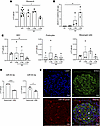 Figure 1
miR-93 expression decreases along disease progression in mice and humans. (A) Graph showing miR-93 expression in glomeruli isolated from WT mice (C57BL/6J) at 4 months old (4m) and AS (Col4a5–/–; B6.Cg-Col4a5tm1Yseg/J) mice at 2m, 3.5m, and 5.5m. (B) Graph showing proteinuria levels, measured as albumin-to-creatinine ratio in WT mice and AS mice at 2m, 3.5m, and 5.5m. (C) Graph showing miR-93 expression in GECs, podocytes, and mesangial cells isolated from WT (4m), and AS mice at 2m, 3.5m, and 5.5m. No significant difference in miR-93 expression was noted in podocytes and mesangial cells. (D) Graph showing miR-93-5p (left) and miR-93-3p (right) expression in the kidney cortex of a human biopsy of AS patient (no. 2; male, 17 years old) compared to healthy tissue of a partial nephrectomy (used as reference; reference no. 1; male, 66 years old), showing that miR-93-5p is less expressed in AS and that miR-93-3p is much less expressed compared with miR-93-5p. (E) Representative images of human glomeruli, healthy tissue (reference no. 3) of a partial nephrectomy (male, 7 years old) showing miR-93 expression by in situ hybridization. Upper left corner: DAPI in blue. Upper right corner: EHD3 (green), identifying GECs. Lower left corner: miR-93 probe (red). Lower right corner: merged panels. White arrows: GECs showing coexpression of the miR-93 probe and EHD3. Yellow arrows: RBCs (autofluorescence in red). Scale bars: 20 μm. For miR-93 expression, small nuclear RNA U6 was used as a reference to calculate relative expression. All experiments were run in triplicate. All values are reported as mean ± SEM. Statistical significance was assessed using 1-way ANOVA with post hoc uncorrected Fisher’s LSD test. *P < 0.05; **P < 0.01; ****P < 0.0001.
We confirmed that miR-93 expression is downregulated in biopsies of patients with AS and confirmed the biological relevance of the 5p form versus the 3p isoform also in human samples (Figure 1D). Since the mouse data showed that miR-93 is expressed in GECs, we confirmed by in situ hybridization that miR-93 is mainly expressed in GECs also in human glomeruli (Figure 1E and Supplemental Figure 2D). To characterize the glomerular gene signature in AS and to determine whether miR-93 targets are altered in AS glomeruli, we performed bulk RNA-seq analysis on glomeruli isolated from AS mice and age-matched WT mice (Supplemental Figure 3, Supplemental Dataset 1, and NCBI Gene Expression Omnibus [GEO] dataset GSE318476). Principal component analysis (PCA) revealed a clear separation between AS and WT glomeruli (Supplemental Figure 3A), and transcriptional differences were also confirmed by hierarchical clustering (Supplemental Figure 3B). A volcano plot (Supplemental Figure 3C) revealed a significant shift in gene expression in AS versus WT. Specifically, Tnfrsf21 and Tgfbr2, predicted miR-93 targets, were altered in AS glomeruli (Supplemental Figure 3D), thus correlating transcriptional changes in AS with changes in miR-93 targets. Our studies were performed in male AS mice because of the X-linked nature of the disease, and even though heterozygous females were not the focus of our analysis, alteration of miR-93 targets was also present in glomeruli of female AS mice compared with age-matched WT female mice (Supplemental Figure 4, A–D, and Supplemental Dataset 1). Importantly, even if heterozygous females were to present with milder disease with no evident changes in proteinuria during our analysis timeline (Supplemental Figure 4E), they were analyzed to document that their glomerular transcriptome is different versus WT and that miR-93 targets are also modified in the milder form of AS disease.
Loss of miR-93 alters the EV cargo. miR-93 is one of the most highly expressed miRs in human EVs (Supplemental Dataset 2), with comparable expression in mouse and human EVs (Supplemental Figure 5A). For data reproducibility, we have characterized (and used in all experiments) EVs derived from our established human AFSC (hAFSC) clonal line, as published previously (11, 29–31). The data indicate that in 24 hours, 1 × 10⁶ hAFSCs produced 2.8 × 10¹⁰ EVs, with a mode size of approximately 108 nm (Figure 2A) and had an intact membrane, as confirmed by TEM (Figure 2B). Super-resolution microscopy confirmed the presence of the tetraspanins CD9, CD63, and CD81, known to be commonly expressed in EVs (19). The majority of EVs were CD63+ or CD63+CD81+, with smaller fractions of CD81+, CD63+CD9+, and CD63+CD81+CD9+ (Figure 2, C and D). We also determine that hAFSC-EVs are CD63+VEGFR2+, CD63+CD81+VEGFR2+, CD81+VEGFR1+, CD63+VEGFR1+, and CD81+CD62+VEGFR1+ (Supplemental Figure 5, B–E).
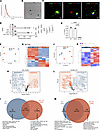 Figure 2
Loss of miR-93 alters EV cargo. (A) Nanoparticle tracking analysis representing the average mode of hAFSC-EVs (~108 nm). (B) TEM representing typical EV morphology (scale bar: 200 nm). (C and D) Super-resolution microscopy of the surface tetraspanins CD9, CD63, and CD81 (C), with a graph representing the single-, double-, and triple-positive fractions (D). Scale bars: 50 nm. (E) miR-93 expression in EVs derived from hAFSCs and KD hAFSCs. SC EVs: EVs treated with scramble control for miR-93. (F) Principal component analysis (PCA) of the miR sequencing of EVs (blue, n = 3) and KD-EVs (orange, n = 3) showing the distribution of samples along PC1 (49% variance) and PC2 (19% variance). (G) Hierarchical clustering heatmap of miRs expression in EVs (green, left) and KD_EVs (orange, right), showing a shift following miR-93 KD. (H) Volcano plot showing the differentially expressed (DE) miRs, upregulated (red) or downregulated (blue), in EVs versus KD_EVs (FC > 1.5 or FC < −1.5; P < 0.05). (I) Venn diagram representing DE miRs in EVs (blue, left) and KD_EVs (orange, right). Enriched pathways are shown below arrows. (J) PCA from the proteomic analysis of EVs (blue, n = 3) and KD_EVs (orange, n = 3) showing separation along PC1 (59.9% variance) and PC2 (18.85% variance). (K) Hierarchical clustering representing expression of proteins in EVs (green group, right) and KD_EVs (orange, left), showing shifts following KD_EVs. (L) Volcano plot of DE proteins in KD_EVs vs. EVs (log2FC > 0 or log2FC < 0; adjusted P < 0.05) upregulated (red) and downregulated (blue). (M) Venn diagram of DE proteins in EVs (blue, left) and KD_EVs (orange, right). The enriched pathways of 32 EV and 183 KD_EV proteins are indicated. miR-93 expression was normalized to small nuclear RNA U6 and measured in triplicate. Data are reported as mean ± SEM. ****P < 0.0001 by 1-way ANOVA with post hoc uncorrected Fisher’s LSD test (D and E).
To understand how miR-93 expression affects EV cargo, we generated miR-93–knockdown EVs (hAFSC-EVsmiR-93–/–, hereafter KD_EVs) using a transient antagomiR method and confirmed silencing in the cells (Supplemental Figure 5F) and EVs (Figure 2E). We performed miR sequencing on naive EVs and KD_EVs (Supplemental Dataset 2). Analysis showed a clear separation between KD_EVs and EVs (Figure 2F), and an overall shift in miR expression between the 2 groups (Figure 2G). A volcano plot indicates that miR-93 KD resulted in significant changes in specific miRs (Figure 2H); the most significantly upregulated and downregulated miRs in KD_EVs are shown. KD of miR-93 resulted in upregulation of miR-1973 and miR-29b-2-5p (only in KD_EVs) and downregulation of miR-4325p, miR-151a-3p, and miR-10b-5p expression in the KD_EVs (Supplemental Dataset 2). Prediction targets of the above-cited miRs include genes that play a key role in CKD progression, like PDGRB, WNK1, TGFb1, VEGF, FBN1, FN, and CADM2 (32–39), with miR-432-5p having the highest predicted target gene, COL4A5. We identified (Figure 2I) the exclusively upregulated miRs in EVs (19 miRs) and KD_EVs (6 miRs). Enrichment analysis of these miRs’ predicted genes in EVs is associated with pathways related to blood vessel morphogenesis, angiogenesis, cell cycle, and the insulin signaling pathway, whereas the analysis of the miR predicted genes in KD_EVs identified pathways such as IL-1 signaling, IL-17 signaling, VEGF and WNT signaling, and apoptosis.
We performed proteomics on the same EVs (Supplemental Dataset 3). Analysis showed that KD_EVs differ from the naive EVs (Figure 2J); protein cargo changes are shown in the hierarchical clustering (Figure 2K) and in the volcano plot (Figure 2L, the most upregulated and downregulated proteins in KD_EVs are shown). From the total identified proteins, 183 were uniquely present in KD_EVs and 32 in the naive EVs (Figure 2M). These uniquely expressed proteins in the KD_EVs are involved in pathways like the insulin signaling pathway, mRNA maturation pathway, and endosomal pathway. Proteins exclusively upregulated in EVs instead displayed enrichment for pathways related to collagen-containing ECM, ECM structural constituents, and cell-matrix adhesion pathways, all important pathways altered during AS progression (Figure 2M). The results from the miR sequencing and the proteomics show that KD of miR-93 expression induces changes in miRs and protein content that are relevant and known to contribute to AS disease.
EVs regulate the miR-93/VEGFR1/VEGFR2 axis in GECs. Since GECs are the primary source of miR-93 changes along disease progression, we evaluated the effects of EVs or KD_EVs in human GECs (hGECs). Following VEGF-induced damage, miR-93 expression was significantly reduced in hGECs and restored after exposure to EVs but not to KD_EVs (Figure 3A). Fibronectin expression, which has been shown to increase after VEGF-induced damage in hGECs (40) and is also a miR-93 target (28), was restored to normal levels when exposed to naive EVs (Figure 3B). Next, we evaluated whether miR-93 was transferred as part of the EV cargo to hGECs by reducing endogenous miR expression in hGECs using α-amanitin (an inhibitor of miR synthesis, ref. 41). We detected normal expression of miR-93 after treatment with EVs but not with KD_EVs, suggesting a possible direct transfer of miR-93 from EVs to hGECs (Figure 3C).
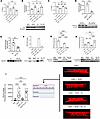 Figure 3
EVs regulate the miR-93/VEGFR1/VEGFR2 axis in GECs. (A) Relative miR-93 expression in GECs at baseline, VEGF-induced damage, VEGF-induced damage plus EVs, and VEGF-induced damage plus KD_EVs. Note: P = 0.0.55 between the VEGF-induced damage and the VEGF-induced damage plus EVs group. Small nuclear RNA U6 was used as a reference to calculate relative expression. (B) Densitometric analysis for fibronectin (261 kDa) by Western blot (WB) in GECs under indicated conditions. Quantification was normalized to β-actin (42 kDa). WB bands are shown below. (C) Relative miR-93 expression in GECs under indicated conditions. Small nuclear RNA U6 was used for normalization. (D and E) Densitometric analysis of VEGFR1 (75 kDa) in hAFSCs and KD hAFSCs (D) and in EVs and KD_EVs (E). For hAFSCs in D, quantification was normalized to β-actin (42 kDa). (F) Coimmunoprecipitation assay for VEGF (25 kDa) using an anti-VEGFR1 antibody on EVs and KD_EVs exposed to VEGF. Expression of VEGF by WB analysis as indicated. WB bands are shown below. (G) Densitometric analysis for VEGFR1 (75 kDa) in GECs under indicated conditions, normalized to β-actin (42 kDa). WB bands are shown below. (H) Densitometric analysis for p-VEGFR2/VEGFR2 (250 kDa and 192 kDa, respectively) ratio in GECs under indicated conditions. WB bands are shown below. (I) Left: Graph showing fluorescein absorbance (log scale) in the GEOAC in channel F (“filtrate”) after 60 minutes in GECs under indicated conditions (8–12 chips per group). Right: 3D confocal Z-stack images showing GEC monolayer formation, GECs with VEGF-induced damage, GECs with VEGF-induced damage plus EVs, and GECs with VEGF-induced damage with KD_EVs. GECs were labeled with CellTracker Deep Red. White asterisks represent disruption of the continuous monolayer in the damaged GEOAC and GEOAC treated with KD_EVs or EVs (scale bars: 100 μm). Data are reported as mean ± SEM. *P < 0.05; **P < 0.01; ***P < 0.001; ****P < 0.0001 by 1-way ANOVA with uncorrected Fisher’s LSD post hoc test (A–C and G–I) or unpaired, 2-tailed Student’s t test (D–F).
We previously demonstrated (11) that EVs can reduce the availability of VEGF because of the presence of VEGFR1 (42) on their surface that can trap VEGF. Therefore, we determined whether miR-93 regulates VEGF trapping by modulating the expression of VEGFR1. Silencing of miR-93 reduced expression of VEGFR1 in hAFSCs and EVs (Figure 3, D and E). We performed a coimmunoprecipitation assay using an anti-VEGFR1 antibody and then probed for VEGF, and showed a significantly higher efficiency of EVs in trapping VEGF versus KD_EVs (Figure 3F). We also demonstrated that miR-93 directly regulates VEGFRs in damaged hGECs since KD_EVs do not restore to normal the level of VEGFR1 expression and p-VEGFR2/VEGFR2 activity versus normal EVs (Figure 3, G and H). In addition, albumin leakage assay in the glomerulus/endothelium on-a-chip (GEOAC), generated using the same system as reported previously (43, 44), showed that EVs but not KD_EVs preserve the GEC barrier integrity in VEGF-induced damage (Figure 3I). Taken together, these data confirm that miR-93 modulates the expression of VEGFR1 and the activity of VEGFR2 in GECs and regulates GEC function.
We also investigated the effect of naive EVs versus KD_EVs in human podocytes (Supplemental Figure 6, A and B) and in mesangial cells in vitro (Supplemental Figure 6, C and D). In contrast with GECs and podocytes, damage to mesangial cells induced an upregulation of miR-93, which was restored with KD_EVs and not with normal EVs. This result is surprising but intriguing, as EVs appear to modulate damage in these cells through different mechanisms, possibly not involving a direct miR-93 action. Further investigations focused on understanding EV uptake by different glomerular cells and their cargo’s mechanism of action are needed, and are beyond the scope of this work.
EVs regulate transcriptional changes in vivo. To correlate changes in histological architecture with changes in gene expression during disease progression and to determine the disease modifying activity of EVs, we used Visium Spacial Transcriptomics (ST) (Supplemental Figure 7, Supplemental Methods, and GEO GSE245039) in WT (4m), 2mAS mice, 5mAS mice, and AS mice injected with hAFSC-EVs at 2.5 months (before high level of proteinuria) and analyzed at 5 months. Histological analysis showed scarring in 5mAS versus 2mAS and WT mice, which was attenuated in injected mice (Supplemental Figure 8, A–D). Each sample was analyzed individually, and spatial maps with cluster annotations and Gene Ontology (GO) analysis are reported in Supplemental Figure 8, E–P, and Supplemental Datasets 4–7.
To note, because of the size and spacing of the ST spot (55 μm spots spaced 100 μm apart), multiple cell types are included within each spot; therefore, each cluster is composed of multiple renal structures. Nevertheless, the cluster identity was confirmed by histological observation and based on the cell-specific genes found elevated within each cluster.
Unsupervised clustering of integrated samples identified 9 clusters (Figure 4, A–H). Cluster annotation and sample contribution per cluster are shown in Figure 4, I and J, and Supplemental Dataset 8, and the most highly expressed genes in each cluster are reported in Supplemental Figure 9). All samples contributed to all the clusters, but there was a clear shift in cluster distribution in 5mAS, with clusters 1, 2, 5, and 6 being overly underrepresented and cluster 4 (immunological and fibrotic interstitium) specifically being overrepresented, whereas the treated and the 2mAS showed similar cluster distribution to the WT (Figure 4J).
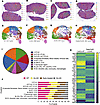 Figure 4
Spatial maps of kidney of AS mice injected with EVs. (A–D) ST integrated analysis of WT mice at 4 months old (4m), 2mAS, 5mAS, and hAFSC-EV injected at 2.5m and sacrificed at 5mAS (treated 5mAS), identified 9 clusters by unsupervised clustering as shown in the spatial map for each sample. (E–H) UMAP of spots from the integration of samples in A–D, showing the cluster identification per sample (I) Pie chart displaying the distribution of dots across clusters of the integrated samples. Total dots = 12,453. (J) Graph displaying the distribution of samples across clusters. Number of spots (x axis) of each sample (magenta, WT; yellow, 2mAS; gray, 5mAS; brown, treated at 2m and sacrificed at 5mAS) per cluster identified (y axis). (K) Heatmap showing fold change (FC) in gene expression of miR-93 target genes in glomeruli: 5mAS vs. WT and treated 5mAS vs. 5mAS showing a significant shift in gene expression following EV injection. Heatmap shows log2FC calculated relative to the first condition listed in each comparison: 5mAS vs. WT and treated 5mAS vs. 5mAS. Color intensity reflects the magnitude of differential expression relative to the indicated reference condition. log2FC > 0 or log2FC < 0; P < 0.05. Yellow, upregulated;blue, downregulated. PT-S1, -S2, -S3, proximal tubule segments 1, 2, and 3; DCT, distal convoluted tubule; CCD, cortical collecting duct; OMCD, outer medullary collecting duct; LOH, loop of Henle; TAL, thick ascending limb; DTL, descending thin limb; ATL, ascending thin limb; CD, collecting duct. Significance was assessed using differential expression determined by DESeq2 (adj. P < 0.05).
Since AS is a disease of the glomerulus, we looked for the transcriptional changes of downstream targets of miR-93 in cluster 7 (the glomerular cluster). We observed upregulation of Fn1 and downregulation of Nphs2, Itgb1, and Vim, which were reversed by human EV administration (Figure 4K). The complete list of the miR-93 targets between the samples is reported in Supplemental Dataset 9. GO analysis of upregulated genes identified regenerative pathways in EV-treated mice versus nontreated mice (Supplemental Figure 10A). Injection of EVs downregulated apoptosis and stimulated changes in metabolic pathways and renal regeneration (Supplemental Figure 10B). A complete list of the pathway analysis is reported in Supplemental Dataset 10. The distribution of differentially expressed genes (DEGs) between EV-treated and non–EV-treated glomeruli compared with WT identified 189 genes that were exclusively upregulated in treated mice (Figure 5A), including Podxl, Cdkn1c, Nphs1, and Wt1, and upregulation of pathways related to VEGF binding, ECM binding, and glomerular development, while the non–EV-treated glomeruli showed upregulation of pathways like misfolded protein, cell death, L13a-mediated translational silencing of ceruloplasmin expression, SRP-dependent cotranslational protein targeting to membrane, pathways also altered in human AS glomeruli, as we published previously (45). These pathways were downregulated in treated mice, showing the potential therapeutic effect of EVs (Supplemental Figure 11A and Supplemental Dataset 11). The distribution of DEGs between EV-treated, non–EV-treated, 2mAS glomeruli versus WT (Supplemental Figure 11B and Supplemental Dataset 12) showed 181 genes exclusively upregulated in treated mice, with enrichment in pathways related to development. A complete list of the pathway analysis is reported in Supplemental Dataset 13.
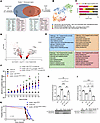 Figure 5
Spatial maps of glomeruli of AS mice injected with EVs. (A) Venn diagram displaying significantly upregulated genes in glomerular spots of treated 5mAS vs. WT at 4m (left) and 5mAS vs. WT 4m (right). Treated 5m mice received hAFSC-EVs at 2.5m and sacrificed at 5m. Significantly regulated genes (|log2FC| > 0.25; adj. P < 0.05). (B) Glomerular cluster (cluster 7 from the integrated samples in Figure 4) was filtered, reclustered, and subdivided into 4 different subclusters by unsupervised clustering. Cluster annotations are shown on UMAP. (C) Distribution of samples across glomerular subclusters. Percentage of glomerular spots (x axis) of each sample (magenta, WT 4m; yellow, 2mAS; gray, 5mAS; brown, treated 5mAS) per subcluster identified (y axis). (D) Volcano plot of DEGs in treated 5mAS vs. 5mAS within subcluster 4 of immune cells (|log2FC| > 0.25; adj. P < 0.05). (E) Enriched Gene Ontology (GO) biological processes obtained from significantly upregulated genes in glomerular spots of treated vs. untreated 5mAS mice, for subclusters sc1 (blue), sc2 (orange), sc3 (green), and sc4 (red). (F) Proteinuria assessed by albumin-to-creatinine ratio, in AS mice following injection of either EVs (blue, n = 16) or KD_EVs (red, n = 11) at 2.5m. Untreated AS mice (black, n = 15), and WT mice (black, n = 5) served as controls. (G) Survival curve of AS mice, untreated (black, n = 15) or treated with EVs (blue, n = 16) or KD-EVs (red, n = 11). (H) Densitometric analysis for p-VEGFR2/VEGFR2 ratio (250 kDa and 192 kDa, respectively) in glomeruli of indicated groups. (I) Densitometric analysis for VEGFR1 (150 kDa) in glomeruli of of indicated groups; normalized to β-actin (42 kDa). Western blot bands are shown. Data are reported as mean ± SEM. *P < 0.05; **P < 0.01; ***P < 0.001 by 1-way ANOVA with uncorrected Fisher’s LSD test for proteinuria (F, H, and I) or log-rank (Mantel-Cox) test for survival curves (G).
To deepen our analysis, we reclustered the glomerular spots and identified 4 subclusters (Figure 5B, Supplemental Figure 12, and Supplemental Dataset 14). The enrichment for tubular genes was not surprising based on the resolution of ST, as specified above. Subclusters 1 and 3 were mainly represented by the WT and 2mAS, subcluster 2 by the treated mice, and subcluster 4 almost exclusively by the nontreated and treated AS mice (Figure 5C).
To understand the effects of the EVs in glomerular subclusters, we analyzed the DEGs in treated versus nontreated 5mAS mice (Figure 5D and Supplemental Dataset 15) and identified enrichment of pathways involved in renal development and in lipid metabolism, which were underrepresented in AS (Figure 5E). A complete list of the pathways analysis is reported in Supplemental Dataset 16.
We then injected AS mice before the onset of heavy proteinuria with either EVs or KD_EVs; normal EVs showed significant improvement in proteinuria versus untreated AS mice or mice treated with KD_EVs. Even if mice injected with KD_EVs showed some improvement in proteinuria, they did not increase survival versus mice treated with normal EVs (Figure 5, F and G). We also showed that in vivo, naive EVs can restore to normal the expression of VEGFR1 and the activity of VEGFR2 versus KD_EVs (Figure 5, H and I).
These data confirm that EVs present with disease-modifying activity and that possibly miR-93 is involved in regulating this renoprotection.
miR-93 targets are also altered in GECs of patients with AS. To translate our data from mouse to human, we applied the CosMx Spatial Molecular Imaging (SMI) platform in biopsies of patients with AS, which allows for the spatial mapping of gene expression at single-cell resolution (46). We studied 3 different patients with AS with known COL4A5 mutations, and we used a biopsy from a transplanted kidney as a reference (Figure 6A and Supplemental Figure 13A). We manually selected 29 fields of view (FOVs), capturing all the glomeruli available (Supplemental Figure 13B). We performed stringent quality control (QC) by eliminating cells with fewer than 20 transcripts (cells that did not pass QC are represented in black in the segmentation analysis). Using the NanoString pipeline and data available (47), we identified 21 cell types (Figure 6, B–D); the mean of the confidence score is shown in Supplemental Figure 13C. Cell deconvolution analysis displayed an abundance of the major glomerular, tubular, and interstitial cells (Figure 6E); a cell type representation for each FOV is shown in Supplemental Figure 14A. Abundances of immune cell types were detected between diseased and nondiseased FOVs, especially in 2 patients with AS, nos. 2 and 6, who both presented arteriolosclerosis, and no. 6 also low-grade IgA nephropathy (Figure 6E; for clarity, the immune cells here were grouped together). We focused on the glomerulus and, using Napari (48), a multidimensional image viewer for Python, we identified the spatial localization of the glomerular cells (Figure 6F, Supplemental Figure 14B, and Supplemental Figure 15). We confirmed that this technology can spatially recognize gene expression at the cellular level by showing that VEGF is expressed in podocytes, and its receptors KDR and FLT1 are expressed in GECs (Figure 6F).
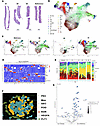 Figure 6
Spatial maps of AS biopsies. (A) Histology micrographs from serially sectioned kidney biopsies from a 3-year-old patient with AS (no. 1), a 36-year-old patient with AS (no. 2), a 42-year-old patient with AS (no. 6), and a 19-year-old patient used as reference were stained for H&E followed by FOV section and CosMx SMI analysis. (B and C) UMAP visualization of cell classification based on the integration of the 4 biopsies (B) and for individual biopsy (C). A total of 29 FOVs were included in the final analysis following QC, distributed among 21 cell types as indicated by color codes. (D) Heatmap showing expression of top 5 markers identifying the renal cell populations classified in B. (E) Cell deconvolution analysis showing the abundance of different cell types in the 29 FOVs from biopsies shown in A. Analysis was based on publicly available RNA-seq experiments compiled into profile matrices by aggregating gene-wise counts of all annotated cell types. (F) Representative glomerulus from nondiseased patient showing cell segmentation and identification of podocytes (orange), GECs (blue), mesangial cells (light blue), and parietal epithelial cells (green). mRNA probe for VEGFA (white dots), KDR (red dots), and FLT1 (green dots) are spatially localized in the podocytes (VEGFA) and in GECs (KDR and FLT1). Cells that failed to pass the QC are represented in black. Scale bar: 25 μm. Images were visualized and captured using Napari 4.0.17 software. (G) Volcano plot showing the DEGs in GECs from all biopsies combined vs. reference (|log2FC| > 0.2; adj. P < 0.05). Statistical analysis was done to determine differential expression by DESeq2 (adj. P < 0.05). ATL, ascending thin limb; TAL, thick ascending limb; B, B lymphocytes; cDC, classical dendritic cells; CNT, connecting tubules; cycMNP, cycling mononuclear phagocytes; DCT, distal convoluted tubules; DTL, descending thin limb; EC, endothelial cells; FIB/aFIB/MyoF, fibroblasts/adaptive fibroblasts/myofibroblasts; IC, intercalated cells; MAC-M2, type 2 macrophages; MAST, mast cells; MC, mesangial cells; MDC, monocyte-derived cells; PC, principal cells; PEC, parietal epithelial cells; PL, plasma cell; POD, podocytes; PT, proximal tubules; T, T lymphocytes.
Based on our stringent QC, which reduced the number of cells available for glomerular analysis, we could not quantify gene expression differences for all comparisons for all glomerular cell types/samples. We could confidently only perform analysis on GECs after combining all 3 AS biopsies versus the reference. Despite these limitations, our data confirmed that AS-GECs presented with loss of endothelial markers (PECAM, CD34, and TEK) and showed upregulation of IL32, FGF13, and MPG (Figure 6G). Interestingly, AS-GECs seem to present strong downregulation of the FLT1 gene, which encodes both VEGFR1 and its soluble form sFLT1. Loss of sFLT1 can induce an unbalanced accumulation of VEGF produced by the podocytes, thus causing glomerular damage. These findings confirm target engagement in human AS glomeruli; for example, miR-93 downregulation and FLT1 gene loss were consistently detected in hGECs. Translationally, this suggests that EVs enriched in miR-93 could restore VEGF signaling homeostasis in the human setting. Identifying primary assays critical for characterizing the final EV product in a therapeutic context is paramount for regulatory approval for clinical translation.
Based on our preclinical in vitro and in vivo work and EV characterization derived from an established clonal population of AFSCs, together with the evidence that the major EV targeting signaling (VEGF/miR-93) is present in human AS glomeruli, we can envision a stable set of parameters for our EVs that can guarantee EV lot production with the same characteristics. We can design identity and purity parameters identified by the expression of specific markers, as in Figure 1, but most importantly, we can define a mechanism of action by a potent assay based on the presence of miR-93 and its capability of regulating VEGF signaling. Finally, we can design a disease-modifying activity that can be assessed by lowering proteinuria and by stabilizing the slope of the estimated glomerular filtration rate in patients with AS.


