
Research ArticleCell biologyOncology
Open Access |  10.1172/jci.insight.197924
Serum starvation drives ALIX-dependent extracellular vesicle biogenesis and determines tumor progression
Xueqiang Peng,1,2,3,4 Jiaxing Liu,1 Guolong Zeng,1,5 Yafei Xiao,1 Zhixiong Hao,1 Guangpeng He,1 Hongyuan Jin,1 Yu Gao,1 Shilei Tang,1,2,3 Shibo Wei,1,2,3 Yan Li,1 Yifan Yu,1,6 Liang Yang,1,2,3 and Hangyu Li2,3,4,7
1Department of General Surgery, The Fourth Affiliated Hospital, China Medical University, Shenyang, Liaoning, China.
2Shenyang Key Laboratory for Biomedical and Intelligent Mesh, Shenyang, Liaoning, China.
3Shenyang Clinical Medical Research Center for Diagnosis, Treatment and Health Management of Early Digestive Cancer, Shenyang, Liaoning, China.
4Liaoning Province-Zimbabwe Belt and Road Joint Laboratory on Biomedical Data Sharing and Cancer Prevention and Control, Jinzhou, Liaoning, China.
5The First Affiliated Hospital of Anhui Medical University, Hefei, Anhui, China.
6Immunology Frontier Research Center, The University of Osaka, Osaka, Japan.
7Department of General Surgery, The First Affiliated Hospital of Jinzhou Medical University, Jinzhou, Liaoning, China.
Address correspondence to: Hangyu Li, The First Affiliated Hospital of Jinzhou Medical University, No. 40, Section 3, Songpo Road, Linghe District Jinzhou, 121001, Liaoning, China. Phone: 189.4025.7002; Email: sj_li_hangyu@sina.com. Or to: Xueqiang Peng or Liang Yang, The Fourth Affiliated Hospital, China Medical University, No. 4, Chongshandong Road, Huanggu District, Shenyang, 110032, Liaoning, China. Phone: 181.3367.7763; Email: xqpeng@cmu.edu.cn (XP). Phone: 13840144884; Email: 20191264@cmu.edu.cn (LY).
Authorship note: XP, JL, and GZ contributed equally to this work.
Find articles by Peng, X. in: PubMed | Google Scholar
1Department of General Surgery, The Fourth Affiliated Hospital, China Medical University, Shenyang, Liaoning, China.
2Shenyang Key Laboratory for Biomedical and Intelligent Mesh, Shenyang, Liaoning, China.
3Shenyang Clinical Medical Research Center for Diagnosis, Treatment and Health Management of Early Digestive Cancer, Shenyang, Liaoning, China.
4Liaoning Province-Zimbabwe Belt and Road Joint Laboratory on Biomedical Data Sharing and Cancer Prevention and Control, Jinzhou, Liaoning, China.
5The First Affiliated Hospital of Anhui Medical University, Hefei, Anhui, China.
6Immunology Frontier Research Center, The University of Osaka, Osaka, Japan.
7Department of General Surgery, The First Affiliated Hospital of Jinzhou Medical University, Jinzhou, Liaoning, China.
Address correspondence to: Hangyu Li, The First Affiliated Hospital of Jinzhou Medical University, No. 40, Section 3, Songpo Road, Linghe District Jinzhou, 121001, Liaoning, China. Phone: 189.4025.7002; Email: sj_li_hangyu@sina.com. Or to: Xueqiang Peng or Liang Yang, The Fourth Affiliated Hospital, China Medical University, No. 4, Chongshandong Road, Huanggu District, Shenyang, 110032, Liaoning, China. Phone: 181.3367.7763; Email: xqpeng@cmu.edu.cn (XP). Phone: 13840144884; Email: 20191264@cmu.edu.cn (LY).
Authorship note: XP, JL, and GZ contributed equally to this work.
Find articles by Liu, J. in: PubMed | Google Scholar
1Department of General Surgery, The Fourth Affiliated Hospital, China Medical University, Shenyang, Liaoning, China.
2Shenyang Key Laboratory for Biomedical and Intelligent Mesh, Shenyang, Liaoning, China.
3Shenyang Clinical Medical Research Center for Diagnosis, Treatment and Health Management of Early Digestive Cancer, Shenyang, Liaoning, China.
4Liaoning Province-Zimbabwe Belt and Road Joint Laboratory on Biomedical Data Sharing and Cancer Prevention and Control, Jinzhou, Liaoning, China.
5The First Affiliated Hospital of Anhui Medical University, Hefei, Anhui, China.
6Immunology Frontier Research Center, The University of Osaka, Osaka, Japan.
7Department of General Surgery, The First Affiliated Hospital of Jinzhou Medical University, Jinzhou, Liaoning, China.
Address correspondence to: Hangyu Li, The First Affiliated Hospital of Jinzhou Medical University, No. 40, Section 3, Songpo Road, Linghe District Jinzhou, 121001, Liaoning, China. Phone: 189.4025.7002; Email: sj_li_hangyu@sina.com. Or to: Xueqiang Peng or Liang Yang, The Fourth Affiliated Hospital, China Medical University, No. 4, Chongshandong Road, Huanggu District, Shenyang, 110032, Liaoning, China. Phone: 181.3367.7763; Email: xqpeng@cmu.edu.cn (XP). Phone: 13840144884; Email: 20191264@cmu.edu.cn (LY).
Authorship note: XP, JL, and GZ contributed equally to this work.
Find articles by Zeng, G. in: PubMed | Google Scholar
1Department of General Surgery, The Fourth Affiliated Hospital, China Medical University, Shenyang, Liaoning, China.
2Shenyang Key Laboratory for Biomedical and Intelligent Mesh, Shenyang, Liaoning, China.
3Shenyang Clinical Medical Research Center for Diagnosis, Treatment and Health Management of Early Digestive Cancer, Shenyang, Liaoning, China.
4Liaoning Province-Zimbabwe Belt and Road Joint Laboratory on Biomedical Data Sharing and Cancer Prevention and Control, Jinzhou, Liaoning, China.
5The First Affiliated Hospital of Anhui Medical University, Hefei, Anhui, China.
6Immunology Frontier Research Center, The University of Osaka, Osaka, Japan.
7Department of General Surgery, The First Affiliated Hospital of Jinzhou Medical University, Jinzhou, Liaoning, China.
Address correspondence to: Hangyu Li, The First Affiliated Hospital of Jinzhou Medical University, No. 40, Section 3, Songpo Road, Linghe District Jinzhou, 121001, Liaoning, China. Phone: 189.4025.7002; Email: sj_li_hangyu@sina.com. Or to: Xueqiang Peng or Liang Yang, The Fourth Affiliated Hospital, China Medical University, No. 4, Chongshandong Road, Huanggu District, Shenyang, 110032, Liaoning, China. Phone: 181.3367.7763; Email: xqpeng@cmu.edu.cn (XP). Phone: 13840144884; Email: 20191264@cmu.edu.cn (LY).
Authorship note: XP, JL, and GZ contributed equally to this work.
Find articles by Xiao, Y. in: PubMed | Google Scholar
1Department of General Surgery, The Fourth Affiliated Hospital, China Medical University, Shenyang, Liaoning, China.
2Shenyang Key Laboratory for Biomedical and Intelligent Mesh, Shenyang, Liaoning, China.
3Shenyang Clinical Medical Research Center for Diagnosis, Treatment and Health Management of Early Digestive Cancer, Shenyang, Liaoning, China.
4Liaoning Province-Zimbabwe Belt and Road Joint Laboratory on Biomedical Data Sharing and Cancer Prevention and Control, Jinzhou, Liaoning, China.
5The First Affiliated Hospital of Anhui Medical University, Hefei, Anhui, China.
6Immunology Frontier Research Center, The University of Osaka, Osaka, Japan.
7Department of General Surgery, The First Affiliated Hospital of Jinzhou Medical University, Jinzhou, Liaoning, China.
Address correspondence to: Hangyu Li, The First Affiliated Hospital of Jinzhou Medical University, No. 40, Section 3, Songpo Road, Linghe District Jinzhou, 121001, Liaoning, China. Phone: 189.4025.7002; Email: sj_li_hangyu@sina.com. Or to: Xueqiang Peng or Liang Yang, The Fourth Affiliated Hospital, China Medical University, No. 4, Chongshandong Road, Huanggu District, Shenyang, 110032, Liaoning, China. Phone: 181.3367.7763; Email: xqpeng@cmu.edu.cn (XP). Phone: 13840144884; Email: 20191264@cmu.edu.cn (LY).
Authorship note: XP, JL, and GZ contributed equally to this work.
Find articles by Hao, Z. in: PubMed | Google Scholar
1Department of General Surgery, The Fourth Affiliated Hospital, China Medical University, Shenyang, Liaoning, China.
2Shenyang Key Laboratory for Biomedical and Intelligent Mesh, Shenyang, Liaoning, China.
3Shenyang Clinical Medical Research Center for Diagnosis, Treatment and Health Management of Early Digestive Cancer, Shenyang, Liaoning, China.
4Liaoning Province-Zimbabwe Belt and Road Joint Laboratory on Biomedical Data Sharing and Cancer Prevention and Control, Jinzhou, Liaoning, China.
5The First Affiliated Hospital of Anhui Medical University, Hefei, Anhui, China.
6Immunology Frontier Research Center, The University of Osaka, Osaka, Japan.
7Department of General Surgery, The First Affiliated Hospital of Jinzhou Medical University, Jinzhou, Liaoning, China.
Address correspondence to: Hangyu Li, The First Affiliated Hospital of Jinzhou Medical University, No. 40, Section 3, Songpo Road, Linghe District Jinzhou, 121001, Liaoning, China. Phone: 189.4025.7002; Email: sj_li_hangyu@sina.com. Or to: Xueqiang Peng or Liang Yang, The Fourth Affiliated Hospital, China Medical University, No. 4, Chongshandong Road, Huanggu District, Shenyang, 110032, Liaoning, China. Phone: 181.3367.7763; Email: xqpeng@cmu.edu.cn (XP). Phone: 13840144884; Email: 20191264@cmu.edu.cn (LY).
Authorship note: XP, JL, and GZ contributed equally to this work.
Find articles by He, G. in: PubMed | Google Scholar
1Department of General Surgery, The Fourth Affiliated Hospital, China Medical University, Shenyang, Liaoning, China.
2Shenyang Key Laboratory for Biomedical and Intelligent Mesh, Shenyang, Liaoning, China.
3Shenyang Clinical Medical Research Center for Diagnosis, Treatment and Health Management of Early Digestive Cancer, Shenyang, Liaoning, China.
4Liaoning Province-Zimbabwe Belt and Road Joint Laboratory on Biomedical Data Sharing and Cancer Prevention and Control, Jinzhou, Liaoning, China.
5The First Affiliated Hospital of Anhui Medical University, Hefei, Anhui, China.
6Immunology Frontier Research Center, The University of Osaka, Osaka, Japan.
7Department of General Surgery, The First Affiliated Hospital of Jinzhou Medical University, Jinzhou, Liaoning, China.
Address correspondence to: Hangyu Li, The First Affiliated Hospital of Jinzhou Medical University, No. 40, Section 3, Songpo Road, Linghe District Jinzhou, 121001, Liaoning, China. Phone: 189.4025.7002; Email: sj_li_hangyu@sina.com. Or to: Xueqiang Peng or Liang Yang, The Fourth Affiliated Hospital, China Medical University, No. 4, Chongshandong Road, Huanggu District, Shenyang, 110032, Liaoning, China. Phone: 181.3367.7763; Email: xqpeng@cmu.edu.cn (XP). Phone: 13840144884; Email: 20191264@cmu.edu.cn (LY).
Authorship note: XP, JL, and GZ contributed equally to this work.
Find articles by Jin, H. in: PubMed | Google Scholar
1Department of General Surgery, The Fourth Affiliated Hospital, China Medical University, Shenyang, Liaoning, China.
2Shenyang Key Laboratory for Biomedical and Intelligent Mesh, Shenyang, Liaoning, China.
3Shenyang Clinical Medical Research Center for Diagnosis, Treatment and Health Management of Early Digestive Cancer, Shenyang, Liaoning, China.
4Liaoning Province-Zimbabwe Belt and Road Joint Laboratory on Biomedical Data Sharing and Cancer Prevention and Control, Jinzhou, Liaoning, China.
5The First Affiliated Hospital of Anhui Medical University, Hefei, Anhui, China.
6Immunology Frontier Research Center, The University of Osaka, Osaka, Japan.
7Department of General Surgery, The First Affiliated Hospital of Jinzhou Medical University, Jinzhou, Liaoning, China.
Address correspondence to: Hangyu Li, The First Affiliated Hospital of Jinzhou Medical University, No. 40, Section 3, Songpo Road, Linghe District Jinzhou, 121001, Liaoning, China. Phone: 189.4025.7002; Email: sj_li_hangyu@sina.com. Or to: Xueqiang Peng or Liang Yang, The Fourth Affiliated Hospital, China Medical University, No. 4, Chongshandong Road, Huanggu District, Shenyang, 110032, Liaoning, China. Phone: 181.3367.7763; Email: xqpeng@cmu.edu.cn (XP). Phone: 13840144884; Email: 20191264@cmu.edu.cn (LY).
Authorship note: XP, JL, and GZ contributed equally to this work.
Find articles by Gao, Y. in: PubMed | Google Scholar
1Department of General Surgery, The Fourth Affiliated Hospital, China Medical University, Shenyang, Liaoning, China.
2Shenyang Key Laboratory for Biomedical and Intelligent Mesh, Shenyang, Liaoning, China.
3Shenyang Clinical Medical Research Center for Diagnosis, Treatment and Health Management of Early Digestive Cancer, Shenyang, Liaoning, China.
4Liaoning Province-Zimbabwe Belt and Road Joint Laboratory on Biomedical Data Sharing and Cancer Prevention and Control, Jinzhou, Liaoning, China.
5The First Affiliated Hospital of Anhui Medical University, Hefei, Anhui, China.
6Immunology Frontier Research Center, The University of Osaka, Osaka, Japan.
7Department of General Surgery, The First Affiliated Hospital of Jinzhou Medical University, Jinzhou, Liaoning, China.
Address correspondence to: Hangyu Li, The First Affiliated Hospital of Jinzhou Medical University, No. 40, Section 3, Songpo Road, Linghe District Jinzhou, 121001, Liaoning, China. Phone: 189.4025.7002; Email: sj_li_hangyu@sina.com. Or to: Xueqiang Peng or Liang Yang, The Fourth Affiliated Hospital, China Medical University, No. 4, Chongshandong Road, Huanggu District, Shenyang, 110032, Liaoning, China. Phone: 181.3367.7763; Email: xqpeng@cmu.edu.cn (XP). Phone: 13840144884; Email: 20191264@cmu.edu.cn (LY).
Authorship note: XP, JL, and GZ contributed equally to this work.
Find articles by Tang, S. in: PubMed | Google Scholar
1Department of General Surgery, The Fourth Affiliated Hospital, China Medical University, Shenyang, Liaoning, China.
2Shenyang Key Laboratory for Biomedical and Intelligent Mesh, Shenyang, Liaoning, China.
3Shenyang Clinical Medical Research Center for Diagnosis, Treatment and Health Management of Early Digestive Cancer, Shenyang, Liaoning, China.
4Liaoning Province-Zimbabwe Belt and Road Joint Laboratory on Biomedical Data Sharing and Cancer Prevention and Control, Jinzhou, Liaoning, China.
5The First Affiliated Hospital of Anhui Medical University, Hefei, Anhui, China.
6Immunology Frontier Research Center, The University of Osaka, Osaka, Japan.
7Department of General Surgery, The First Affiliated Hospital of Jinzhou Medical University, Jinzhou, Liaoning, China.
Address correspondence to: Hangyu Li, The First Affiliated Hospital of Jinzhou Medical University, No. 40, Section 3, Songpo Road, Linghe District Jinzhou, 121001, Liaoning, China. Phone: 189.4025.7002; Email: sj_li_hangyu@sina.com. Or to: Xueqiang Peng or Liang Yang, The Fourth Affiliated Hospital, China Medical University, No. 4, Chongshandong Road, Huanggu District, Shenyang, 110032, Liaoning, China. Phone: 181.3367.7763; Email: xqpeng@cmu.edu.cn (XP). Phone: 13840144884; Email: 20191264@cmu.edu.cn (LY).
Authorship note: XP, JL, and GZ contributed equally to this work.
Find articles by Wei, S. in: PubMed | Google Scholar
1Department of General Surgery, The Fourth Affiliated Hospital, China Medical University, Shenyang, Liaoning, China.
2Shenyang Key Laboratory for Biomedical and Intelligent Mesh, Shenyang, Liaoning, China.
3Shenyang Clinical Medical Research Center for Diagnosis, Treatment and Health Management of Early Digestive Cancer, Shenyang, Liaoning, China.
4Liaoning Province-Zimbabwe Belt and Road Joint Laboratory on Biomedical Data Sharing and Cancer Prevention and Control, Jinzhou, Liaoning, China.
5The First Affiliated Hospital of Anhui Medical University, Hefei, Anhui, China.
6Immunology Frontier Research Center, The University of Osaka, Osaka, Japan.
7Department of General Surgery, The First Affiliated Hospital of Jinzhou Medical University, Jinzhou, Liaoning, China.
Address correspondence to: Hangyu Li, The First Affiliated Hospital of Jinzhou Medical University, No. 40, Section 3, Songpo Road, Linghe District Jinzhou, 121001, Liaoning, China. Phone: 189.4025.7002; Email: sj_li_hangyu@sina.com. Or to: Xueqiang Peng or Liang Yang, The Fourth Affiliated Hospital, China Medical University, No. 4, Chongshandong Road, Huanggu District, Shenyang, 110032, Liaoning, China. Phone: 181.3367.7763; Email: xqpeng@cmu.edu.cn (XP). Phone: 13840144884; Email: 20191264@cmu.edu.cn (LY).
Authorship note: XP, JL, and GZ contributed equally to this work.
Find articles by Li, Y. in: PubMed | Google Scholar
1Department of General Surgery, The Fourth Affiliated Hospital, China Medical University, Shenyang, Liaoning, China.
2Shenyang Key Laboratory for Biomedical and Intelligent Mesh, Shenyang, Liaoning, China.
3Shenyang Clinical Medical Research Center for Diagnosis, Treatment and Health Management of Early Digestive Cancer, Shenyang, Liaoning, China.
4Liaoning Province-Zimbabwe Belt and Road Joint Laboratory on Biomedical Data Sharing and Cancer Prevention and Control, Jinzhou, Liaoning, China.
5The First Affiliated Hospital of Anhui Medical University, Hefei, Anhui, China.
6Immunology Frontier Research Center, The University of Osaka, Osaka, Japan.
7Department of General Surgery, The First Affiliated Hospital of Jinzhou Medical University, Jinzhou, Liaoning, China.
Address correspondence to: Hangyu Li, The First Affiliated Hospital of Jinzhou Medical University, No. 40, Section 3, Songpo Road, Linghe District Jinzhou, 121001, Liaoning, China. Phone: 189.4025.7002; Email: sj_li_hangyu@sina.com. Or to: Xueqiang Peng or Liang Yang, The Fourth Affiliated Hospital, China Medical University, No. 4, Chongshandong Road, Huanggu District, Shenyang, 110032, Liaoning, China. Phone: 181.3367.7763; Email: xqpeng@cmu.edu.cn (XP). Phone: 13840144884; Email: 20191264@cmu.edu.cn (LY).
Authorship note: XP, JL, and GZ contributed equally to this work.
Find articles by Yu, Y. in: PubMed | Google Scholar
1Department of General Surgery, The Fourth Affiliated Hospital, China Medical University, Shenyang, Liaoning, China.
2Shenyang Key Laboratory for Biomedical and Intelligent Mesh, Shenyang, Liaoning, China.
3Shenyang Clinical Medical Research Center for Diagnosis, Treatment and Health Management of Early Digestive Cancer, Shenyang, Liaoning, China.
4Liaoning Province-Zimbabwe Belt and Road Joint Laboratory on Biomedical Data Sharing and Cancer Prevention and Control, Jinzhou, Liaoning, China.
5The First Affiliated Hospital of Anhui Medical University, Hefei, Anhui, China.
6Immunology Frontier Research Center, The University of Osaka, Osaka, Japan.
7Department of General Surgery, The First Affiliated Hospital of Jinzhou Medical University, Jinzhou, Liaoning, China.
Address correspondence to: Hangyu Li, The First Affiliated Hospital of Jinzhou Medical University, No. 40, Section 3, Songpo Road, Linghe District Jinzhou, 121001, Liaoning, China. Phone: 189.4025.7002; Email: sj_li_hangyu@sina.com. Or to: Xueqiang Peng or Liang Yang, The Fourth Affiliated Hospital, China Medical University, No. 4, Chongshandong Road, Huanggu District, Shenyang, 110032, Liaoning, China. Phone: 181.3367.7763; Email: xqpeng@cmu.edu.cn (XP). Phone: 13840144884; Email: 20191264@cmu.edu.cn (LY).
Authorship note: XP, JL, and GZ contributed equally to this work.
Find articles by Yang, L. in: PubMed | Google Scholar
1Department of General Surgery, The Fourth Affiliated Hospital, China Medical University, Shenyang, Liaoning, China.
2Shenyang Key Laboratory for Biomedical and Intelligent Mesh, Shenyang, Liaoning, China.
3Shenyang Clinical Medical Research Center for Diagnosis, Treatment and Health Management of Early Digestive Cancer, Shenyang, Liaoning, China.
4Liaoning Province-Zimbabwe Belt and Road Joint Laboratory on Biomedical Data Sharing and Cancer Prevention and Control, Jinzhou, Liaoning, China.
5The First Affiliated Hospital of Anhui Medical University, Hefei, Anhui, China.
6Immunology Frontier Research Center, The University of Osaka, Osaka, Japan.
7Department of General Surgery, The First Affiliated Hospital of Jinzhou Medical University, Jinzhou, Liaoning, China.
Address correspondence to: Hangyu Li, The First Affiliated Hospital of Jinzhou Medical University, No. 40, Section 3, Songpo Road, Linghe District Jinzhou, 121001, Liaoning, China. Phone: 189.4025.7002; Email: sj_li_hangyu@sina.com. Or to: Xueqiang Peng or Liang Yang, The Fourth Affiliated Hospital, China Medical University, No. 4, Chongshandong Road, Huanggu District, Shenyang, 110032, Liaoning, China. Phone: 181.3367.7763; Email: xqpeng@cmu.edu.cn (XP). Phone: 13840144884; Email: 20191264@cmu.edu.cn (LY).
Authorship note: XP, JL, and GZ contributed equally to this work.
Find articles by Li, H. in: PubMed | Google Scholar
Published June 8, 2026 - More info
JCI Insight. 2026;11(11):e197924. https://doi.org/10.1172/jci.insight.197924.
© 2026 Peng et al. This work is licensed under the Creative Commons Attribution 4.0 International License. To view a copy of this license, visit http://creativecommons.org/licenses/by/4.0/.
Received: July 14, 2025; Accepted: April 14, 2026


-
Results
Serum starvation induces ILV budding and MVB biogenesis. Due to their unregulated growth patterns, tumor cells often reside in microenvironments with severe hypoxia and limited serum component supply at later stages. Prolonged exposure to such conditions frequently leads to the evolution of antiapoptotic capabilities in these tumor cells (4). Tumor cells cultured in vitro exhibit marked alterations in metabolic activity following serum starvation. When stress persists, these cells cease proliferative activity and activate stress response pathways, such as autophagy and endocytosis, to maintain cellular homeostasis (1, 4, 20). At the subcellular level, tumor cells, under nutrient-rich conditions, exhibit well-organized internal structures and intact organelles, such as mitochondria, with rare occurrences of autophagosomes and MVB. However, when exposed to environmental stress for several minutes up to 4 hours, tumor cells rapidly activate processes such as microautophagy, macroautophagy, and the formation of MVB to meet cellular energy demands and sustain survival (1, 21).
To investigate the effect of serum starvation on organelle dynamics in tumor cells, we established a starvation stress model in tumor cell lines. Transmission electron microscopy (TEM) was employed to investigate the ultrastructural changes in HeLa cells. Under nutrient-rich conditions, HeLa cells displayed well-defined endoplasmic reticulum (ER) and mitochondrial structures. In contrast, after 24 hours of serum starvation, there was a marked increase in the number of MVB, a marked enlargement of MVB diameter, and an increased number of ILVs (Figure 1, A and B). To determine whether this stress-induced effect is reversible, we restored nutrient supply to the previously starved cells for 24 hours. The results showed a marked reduction in the number of MVB and a decrease in their diameter and ILV content, indicating a reestablishment of cellular structural homeostasis (Figure 1, A and B). However, when the stress duration was extended to 48 hours or longer, large autolysosomes (2–4 μm in diameter) were observed in tumor cells that had not undergone apoptosis. These large autolysosomes filled the cytoplasm, resulting in nuclear condensation (Figure 1C). TEM analysis indicated that these large autolysosomes likely originate from the fusion of multiple autophagolysosomes. Moreover, contact sites and fusion events between these large autolysosomes and the plasma membrane were observed, leading to the release of membrane vesicles into the extracellular space, consistent with previous reports (21).
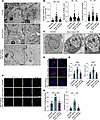 Figure 1
Serum starvation induces ILV budding and MVB biogenesis in tumor cells. (A) TEM of cells cultured with 10% FBS (top), under serum starvation (middle), or recultured with 10% FBS for 24 hours after starvation (bottom). MVB are pseudocolored. Scale bar: 2 μm. Enlarged views are shown at right. (B) Quantification of MVB number per μm2 of cell area (left), MVB diameter (middle), and ILV number per MVB (right) under the indicated conditions. n = 20, 32, and 21 fields (left) and 31, 128, and 39 MVB (middle and right). (C) TEM of cells cultured with 10% FBS or subjected to 48 hours serum starvation. Scale bar: 2 μm. Enlarged views are shown at right. (D) Confocal images of CD63+ vesicles in cells cultured with 10% FBS, under serum starvation, or recultured with 10% FBS after starvation. Nuclei were stained with DAPI. Scale bar: 10 μm. (E) Quantification of CD63+ vesicles in D. n = 20 cells. (F) Polar-SIM images showing CD63 (blue) colocalization in cells stably expressing tandem fluorescent LC3 under the indicated conditions. LC3 (yellow) marks autophagosomes; LC3/CD63 colocalization (white) indicates amphisomes. Scale bar: 10 μm. (G) Quantification of autophagosomes (left) and amphisomes (right) in F. n = 15 cells (left) and 10 cells (right). Data are presented as mean ± SD. Statistical analysis was performed using ordinary 1-way ANOVA followed by Tukey’s multiple-comparison test. *P < 0.05, **P < 0.01, ***P < 0.001.
Furthermore, confocal microscopy was used to examine changes in CD63+ MVB in tumor cells following starvation treatment. Consistent with the TEM results, starvation led to a marked increase in the number of MVB (Figure 1, D and E), suggesting that cells substantially upregulate intracellular vesicle formation in response to microenvironmental stress, thereby adapting to environmental changes (21, 22). Upon restoration of nutrient supply for 24 hours, the number of MVB returned to baseline levels (Figure 1, D and E). It is well established that external environmental cues regulate the fate of different MVB subtypes within the cell. MVB can either fuse with lysosomal compartments for degradation of their contents or be transported to the cell periphery, where they fuse with the plasma membrane to secrete EVs (10, 14, 23). To further elucidate the distribution of MVB under starvation stress, we performed confocal microscopy on HeLa cells transfected with a dual-fluorescent LC3 construct (GFP-RFP-LC3) and examined the colocalization with endogenous CD63. The results showed an increased number of white fluorescent puncta, indicating the colocalization of GFP-RFP-LC3 and CD63, confirming that starvation induces the formation of amphisomes. Notably, after 24 hours of nutrient restoration, the number of amphisomes was pronouncedly reduced (Figure 1, F and G), suggesting that starvation stress promotes organelle fusion events within the cell. These results demonstrate that serum starvation enhances ILV budding and MVB biogenesis in tumor cells.
Serum starvation increases EV secretion. Studies have revealed that serum starvation can affect the heterogeneity of EVs (5, 8, 24). However, the underlying mechanisms of EV biogenesis under serum starvation and their effect on the tumor microenvironment remain unclear. In addition to altering intracellular metabolism and homeostatic mechanisms, serum starvation may also affect the quality and composition of EVs, thereby exerting critical downstream effects on tumor biology (21, 24). To better investigate the differences in the quality and composition of stress-induced EVs from tumor cells, it is essential to ensure that the tumor cells are maintained in a state of stress equilibrium. Excessive apoptosis or necrosis would lead to the release of cell debris and nonsecretory vesicles, which could interfere with the functional analysis of sEVs (16, 21). Therefore, we first performed CCK8 and apoptosis assays to establish a time course, and we selected a treatment window in which the proportion of apoptotic HeLa, Huh7, and HCT116 cells remained below 5% as the optimal period for EV induction (Supplemental Figure 1, A–D; supplemental material available online with this article; https://doi.org/10.1172/jci.insight.197924DS1) (5). Both CCK8 and flow cytometry–based apoptosis assays consistently indicated that apoptosis levels exceeded 5% at 48 hours, whereas a 24-hour induction period was appropriate for maintaining cell viability and minimizing apoptotic interference (Supplemental Figure 1, A–D).
To assess the secretion of EVs from tumor cells following starvation stress, we employed differential ultracentrifugation — a well-established technique for isolating EVs since there is currently no universally optimal method for absolute EV purification. Tumor cells (HeLa, Huh7, and HCT116) were subjected to serum starvation for 24 hours, and EVs were subsequently isolated from the corresponding conditioned media. Western blot analysis confirmed the presence of canonical sEV markers — including tetraspanins (CD63, CD81, CD9) and ESCRT-related proteins (HRS, ALIX, TSG101) — while the ER marker Calnexin was absent (Figure 2, A and B, and Supplemental Figure 2A) (13). These results indicate that serum starvation promotes the release of EVs (Figure 2, A and B, and Supplemental Figure 2A). TEM and cryo-electron microscopy (Cryo-EM) were used to morphologically characterize the isolated EVs, confirming their typical size and morphology of EVs (Figure 2, C and E). In addition, TEM analysis revealed no marked change in the diameter of EVs released from tumor cells following starvation treatment (Figure 2D). Nanoparticle tracking analysis (NTA) showed that the total particle number and the number of EVs (particles < 200 nm in size) derived from serum-starved tumor cells increased. Consistently, NTA results demonstrated no marked difference in the average size of EVs between the control and serum-starved groups (Figure 2F and Supplemental Figure 2, B–E).
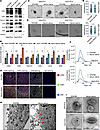 Figure 2
Serum starvation induces EVs secretion. (A) Western blot analysis of EV markers in HeLa-EVs and Huh7-EVs under 10% FBS or serum starvation. CD63, CD81, TSG101, CD9, ALIX, and HRS were used as EV markers; calnexin was used to assess cellular contamination. (B) Quantification of EV marker expression in HeLa-EVs and Huh7-EVs. n = 3. (C) TEM images of HeLa-EVs and Huh7-EVs under 10% FBS or serum starvation. Scale bar: 200 nm. (D) TEM-based diameter distribution of HeLa-EVs (top) and Huh7-EVs (bottom). n = 259 EVs (top) and 177 EVs (bottom). (E) Cryo-EM images of HeLa-EVs and Huh7-EVs. Scale bar: 200 nm. (F) NTA of HeLa-EVs (top) and Huh7-EVs (bottom) showing size distribution and concentration. (G) ExoView analysis of surface CD63 (red), CD81 (green), and CD9 (blue) on EVs under 10% FBS or serum starvation. IgG served as a negative control. (H) TEM of MVB formation in HeLa and Huh7 cells under 10% FBS or serum starvation. MVB are pseudocolored; red arrows indicate MVB-plasma membrane fusion. Scale bar: 1 μm. (I) IEM showing CD63 distribution on EVs using gold-labeled anti-CD63 antibody. Gold particles were mainly localized on EVs, indicating specific CD63 localization. Scale bar: 100 nm. Data are presented as mean ± SD. Comparisons between 2 groups were done with 2-tailed Student’s t test. *P < 0.05, **P < 0.01, ***P < 0.001.
Additionally, we utilized ExoView technology to characterize different EV subpopulations in HeLa cell supernatants. This approach enabled the detection of 3 single-positive EV populations (CD63+, CD81+, CD9+), 3 double-positive populations (CD63+CD81+, CD81+CD9+, CD63+CD9+), and 1 triple-positive population (CD63+CD81+CD9+), with protein expression profiles assessed under different microenvironmental conditions (Figure 2G). Importantly, TEM analysis of membrane structural changes in tumor cells under serum starvation revealed the presence of MVB and potential MVB–plasma membrane fusion and EV secretion events following 24 hours of starvation. These observations indicate that serum starvation stress drives MVB-dependent EV secretion (Figure 2H). This phenomenon has also been observed in the secretion of Wnt7a+ EVs, as recently reported by Gurriaran-Rodriguez et al. (25, 26). Furthermore, to confirm EV specificity, EVs isolated from HeLa and Huh7 cells were shown to be CD63+ (Figure 2I). In sum, these results indicate that serum starvation increases EV secretion in tumor cells.
Proteomic characteristics of EVs induced by serum starvation. To precisely characterize the proteomic profile of EVs under starvation conditions, we employed a 5-dimensional (5D) label-free quantitative proteomics approach. Each sample was analyzed in 3 independent biological replicates. Proteins were considered positively identified if at least 2 unique peptides were detected in 2 or more experiments (14, 27). The results showed that 602 proteins were identified in EVs isolated from control HeLa cells, whereas 481 proteins were identified in EVs derived from serum-starved cells (Figure 3A). Protein expression analysis revealed that, compared with the control group, 63 proteins (13.1%) were pronouncedly altered in EVs under starvation conditions, with 29 proteins (6.0%) downregulated and 34 proteins (7.1%) upregulated. In addition, unique protein compositions were observed in each experimental group, indicating that EVs display pronounced cargo heterogeneity (Figure 3, B and C). We compared our EV proteomics data with the Vesiclepedia database and found that most proteins in our dataset (96.3%) had already been reported in other EV studies (Figure 3B). Although most proteins matched those in existing databases, our study identified several previously unreported proteins. For example, among the 17 proteins found in both the serum starvation and control groups, 3 proteins (CFAP97, TENM1, and CTSL) exhibited marked differences. Six proteins were detected exclusively in the control group — PHB1, SMAP, ATP5F1A, ATP5F1B, TUT4, and MDFIC2. Additionally, 27 proteins, although listed in vesicle databases, were detected only in the serum starvation group, suggesting that these proteins may be involved in specific biological processes. GO enrichment analysis revealed that these 27 proteins are mainly involved in biological pathways such as actin filament organization, apoptotic process, endothelial cell migration, and positive regulation of the epidermal growth factor receptor signaling pathway (Supplemental Table 1).
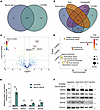 Figure 3
Proteomic characteristics of EVs induced by serum starvation. (A) Venn diagram comparing EV proteins identified under serum starvation and 10% FBS. Numbers indicate shared and unique proteins. (B) Venn diagram showing overlap among proteins from the serum starvation group, DEPs, the 10% FBS group, and Vesiclepedia. (C) Volcano plot of differential EV protein expression under serum starvation versus 10% FBS. (D) GO cellular component enrichment of DEPs shown as a bubble plot. Color indicates fold enrichment, bubble size indicates protein number, and the y axis shows –log10(P value). (E) Relative levels of ANXA3, ANXA1, ANXA5, and ANXA6 in HeLa EVs under 10% FBS or serum starvation based on quantitative proteomics. n = 3. (F) Western blot analysis of ANXA3, ANXA1, ANXA5, and ANXA6 in EVs from HeLa, Huh7, and HCT116 cells under 10% FBS or serum starvation. TSG101 served as an EV marker. Data are presented as mean ± SD. Comparisons between 2 groups were done with 2-tailed Student’s t test. **P < 0.01.
We further focused on the 34 pronouncedly upregulated differential proteins and performed GO enrichment analysis on this subset. The top 10 enriched pathways are ranked by significance (P value) and are presented in Figure 3D. These enriched GO terms are primarily associated with EVs and their membrane structures, including “extracellular exosome,” “extracellular region,” and “focal adhesion.” Notably, “vesicle membrane” exhibited the highest fold enrichment (Fold Enrichment = 64.67, P = 2.92 × 10⁻⁵, FDR < 0.01), suggesting that membrane-associated proteins of vesicles may undergo specific regulatory changes under starvation conditions. Using the WebGestalt database, we further constructed a network diagram of these top 10 enriched terms, highlighting the key role of vesicle membranes in linking vesicles and organelle membranes (Supplemental Figure 3A).
We further analyzed the 4 proteins involved in the “vesicle membrane” category — ANXA1, ANXA3, ANXA5, and ANXA6. Recent studies have demonstrated that the annexin family is critical in cell membrane repair, exosome secretion, and MV release (28, 29). Proteomic sequencing data reveal that ANXA1, ANXA3, ANXA5, and ANXA6 exhibited differential expression in the serum starvation group, with ANXA3 displaying the highest fold change and a pronouncedly greater upregulation compared with the other family members (Figure 3E). This finding was further validated by Western blot analysis of EVs derived from HeLa, Huh7, and HCT116 cells, confirming that ANXA3 protein is highly enriched in the vesicle membrane and likely plays a crucial functional role (Figure 3F and Supplemental Figure 3B). Meanwhile, GSEA revealed that ANXA3, a core vesicle membrane gene, exhibited the highest normalized enrichment score (Supplemental Figure 3C and Supplemental Table 2). ANXA3 is an important member of the annexin family of Ca2+-dependent phospholipid-binding proteins, also known as lipocortin III. It is pronouncedly upregulated in various types of tumors, including hepatocellular carcinoma, lung cancer, prostate cancer, and ovarian cancer. Additionally, ANXA3 is closely associated with the progression of cancer and inflammatory diseases (30–34). To further determine whether serum starvation–induced secretion of ANXA3+ EVs is tumor specific, tumor cells and their corresponding normal cell lines were subjected to serum starvation, followed by isolation of EVs and assessment of ANXA3+ EV levels. Western blot analysis showed that serum starvation pronouncedly increased ANXA3 protein levels in EVs derived from Huh7, HeLa, and HCT116 cells, whereas no pronounced changes were observed in EVs from the corresponding normal cell lines THLE-2, HcerEpic, and NCM460 (Supplemental Figure 3, D and E). These results indicate that serum starvation selectively promotes enrichment of ANXA3 protein in tumor cell–derived EVs, with no pronouncedly regulatory effect observed in normal cells. These findings suggest that ANXA3 may be involved in starvation-induced vesicle-associated biological changes in tumors.
ANXA3 is enriched in starvation-induced EVs. Studies have reported that ANXA3 can be sorted into exosomes (31, 35), where it participates in intercellular communication, thereby promoting tumor progression (31) and facilitating osteoclast differentiation (36). However, the mechanisms underlying ANXA3 sorting remain poorly understood. Although some studies have reported that ANXA3+ EVs fall within the 30–200 nm size range, it remains challenging to distinguish between MVB-dependent EVs and plasma membrane–derived MVs within this size range (31, 35). To clarify the specific EV subpopulation enriched for ANXA3, we carried out the following investigations. First, to examine the expression levels of ANXA3 in EVs after serum starvation, Western blot confirmed that ANXA3 was upregulated in EVs derived from serum-starved HeLa, Huh7, and HCT116 cells (Figure 4A and Supplemental Figure 4A). To further validate the presence of ANXA3 on EVs, immunogold TEM was performed. ANXA3+ gold particles were clearly observed on EVs derived from both Huh7 and HeLa cells, confirming the localization of ANXA3 on EVs (Figure 4B). To further determine the cellular distribution of ANXA3, HeLa cells stably expressing CD63-GFP were generated by transduction with a CD63-GFP lentiviral construct. Confocal microscopy revealed a high degree of colocalization between CD63-GFP and endogenous CD63, confirming the successful establishment of CD63-GFP HeLa cells (Supplemental Figure 4B). To further clarify the subcellular distribution of ANXA3, Polar-SIM imaging showed that serum starvation led to an increased proportion of ANXA3+ MVB, while resupplementation with serum reduced the proportion of ANXA3+ MVB (Figure 4C).
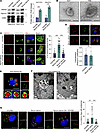 Figure 4
ANXA3 is enriched in starvation-induced EVs. (A) Western blot analysis of ANXA3 in Huh7-EVs and HeLa-EVs, with TSG101 and CD63 as EV markers. Right, quantification relative to the 10% FBS group. n = 3. (B) IEM showing ANXA3 localization in EVs using gold-labeled anti-ANXA3 antibody. Gold particles were mainly detected on EVs, indicating specific ANXA3 enrichment. Scale bar: 100 nm. (C) Polar-SIM images of ANXA3 (red) and CD63-GFP (green) in cells cultured in 10% FBS, under serum starvation, or recultured in 10% FBS after starvation. Nuclei were stained with DAPI (blue). Scale bar: 10 μm. Right, percentage of ANXA3+ MVB among CD63+ MVB. n = 20 cells. (D) Confocal images of ANXA3 (red) and LAMP1 (green); nuclei were stained with DAPI (blue). Bottom, Pearson’s correlation analysis of colocalization. n = 10 cells. (E) Dual-fluorescence imaging of Rab5Q79L (green) and CD63 (red) in HeLa-Rab5Q79L cells showing CD63 accumulation within Rab5Q79L+ endosomal lumens. Scale bar: 10 μm. (F) TEM of HeLa-Rab5Q79L cells showing abnormally enlarged MVB. Scale bars: 500 nm (left) and 2000 nm (right). (G) Polar-SIM images of ANXA3 (red) and Rab5Q79L (green) in HeLa-Rab5Q79L cells under the indicated conditions; nuclei were stained with DAPI (blue). Scale bar: 10 μm. Right, quantification of the percentage of ANXA3+ area within Rab5Q79L+ endosomes under the indicated conditions. n = 31, 27, 35 Rab5Q79L+ endosomes. Data are presented as mean ± SD. Statistical analysis was performed using ordinary 1-way ANOVA followed by Tukey’s multiple-comparison test. Comparisons between 2 groups were done with 2-tailed Student’s t test. **P < 0.01, ***P < 0.001.
In contrast, there was no pronounced change in the colocalization of ANXA3 with LAMP1, a lysosomal marker, under these conditions (Figure 4D). Moreover, our results show that starvation stress induced the formation of amphisomes. Previous studies have also demonstrated that amphisomes and autophagy are involved in EV secretion (21). To determine whether autophagy or amphisome formation participates in ANXA3 secretion under serum starvation, we generated ATG3-knockdown, autophagy-deficient cells. Under starvation conditions, autophagy was pronouncedly impaired in these cells (Supplemental Figure 4C). Western blot indicated that ATG3 does not participate in the secretion of ANXA3+ EVs (Supplemental Figure 4D). This suggests that, under serum starvation, ANXA3 is enriched explicitly in distinct MVB compartments. However, since MVB are rare subcellular compartments, it is challenging to distinguish discrete intraluminal cargo at the resolution of conventional fluorescence microscopy. To address this, we constructed a constitutively active Rab5Q79L model, which induces the formation of enlarged MVB, thereby facilitating the distinction between limiting membranes and the intraluminal compartments of MVB (37, 38). First, we established the HeLa cells model expressing Rab5Q79L and found that CD63 was efficiently enriched in the endosomal compartments (Figure 4E). At the subcellular level, we observed the accumulation of numerous classical endosomal structures, with their lumens filled with ILVs and small acidic vesicles (Figure 4F). Next, we confirmed that starvation stress led to an increased localization of ANXA3 within Rab5Q79L+ endosomal compartments. In contrast, after 24 hours of nutrient restoration, ANXA3 localization within these Rab5Q79L compartments was pronouncedly reduced compared with the starvation group (Figure 4G). Collectively, these data demonstrate that starvation stress promotes the sorting of ANXA3 into MVB, thereby promoting ANXA3+ EV secretion.
Sorting of ANXA3 into MVB is dependent on ALIX. Eukaryotic cells possess a highly conserved system for cargo sorting into MVB (12, 39, 40). The mechanisms for sorting different types of cargo are highly diverse; current studies suggest that even for individual EVs, parallel and distinct sorting pathways may exist. Moreover, the exact sorting mechanism can function in different subcellular compartments, which contributes to the heterogeneity of EV cargo to a certain extent (41). Specifically, ubiquitinated cargoes located at the plasma membrane or within the cytoplasm are sorted into ILVs through both ESCRT-dependent and ESCRT-independent mechanisms (39, 40). To elucidate the mechanism underlying ANXA3 sorting into EVs, we first disrupted major cargo sorting pathways in HeLa and Huh7 cells by silencing ALIX (an ESCRT-associated protein) and HRS (ESCRT-0) using siRNA (Supplemental Figure 5A). Western blot analysis of EVs under different conditions showed that si-ALIX pronouncedly reduced ANXA3, CD63, and TSG101 levels in EVs. In contrast, si-HRS did not substantially alter ANXA3 levels in EVs but decreased levels of CD63 and TSG101, indicating that HRS also plays a critical role in ILV formation (Figure 5A). Returning to the cellular context of serum starvation–induced stress, we used GFP-CD63–expressing HeLa cells to assess the effect of si-ALIX. Returning to the intracellular response under serum starvation stress, in HeLa cells expressing GFP-CD63, confocal fluorescence imaging showed that si-ALIX treatment pronouncedly reduced the number of ANXA3+ MVB following starvation (Figure 5, B and D). In contrast, si-HRS had no marked effect on the number of ANXA3+ MVB (Figure 5, C and D). In HeLa cells expressing Rab5Q79L, we interfered with ALIX and HRS by siRNA and assessed the distribution of ANXA3 after starvation stress. The results showed that si-ALIX impaired the sorting of ANXA3 into the MVB lumen, whereas si-HRS had no marked effect (Figure 5, E and F). These findings suggest that ALIX is the dominant mediator of ANXA3 sorting into ILVs within MVB, whereas HRS is not an important contributor.
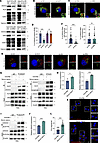 Figure 5
Sorting of ANXA3 into MVB is dependent on ALIX. (A) Western blot analysis of ANXA3 in Huh7-EVs and HeLa-EVs under serum starvation (SS) after siRNA-mediated ALIX or HRS knockdown. CD63 and TSG101 served as EV markers. (B and C) Polar-SIM images of ANXA3 (red) and CD63-GFP (green) in serum-starved cells after ALIX (B) or HRS (C) knockdown. Nuclei were stained with DAPI (blue). Insets show enlarged views. Scale bar: 10 μm. (D) Quantification of ANXA3+ MVB among CD63+ MVB in B and C. n = 10 cells. (E) Polar-SIM images of ANXA3 (red) and Rab5Q79L (green) in serum-starved HeLa-Rab5Q79L cells after siALIX or siHRS transfection. Nuclei were stained with DAPI (blue). Scale bar: 10 μm. (F) Quantification of ANXA3 occupancy in Rab5Q79L+ endosomes in E. n = 61, 48, 45, 45 Rab5Q79L+ endosomes. (G) Reciprocal Co-IP assays in HeLa cells cultured under 10% FBS or SS showing the interaction between ANXA3 and ALIX. Left, IP: ANXA3; right, IP: ALIX. IgG served as a negative control, and whole-cell lysates were used as input. (H) Quantification of Co-IP results in G. Left, ALIX coprecipitated with ANXA3; right, ANXA3 coprecipitated with ALIX, under 10% FBS or SS. n = 3. (I and J) HeLa cells were cotransfected with ALIX-His, and Co-IP (IP: ALIX-His) was performed to detect the ANXA3–ALIX-His interaction under 10% FBS or SS (I). (J) Quantification of ANXA3 coprecipitated with ALIX-His. n = 3. (K and L) PLA showing ALIX–ANXA3 interaction (red puncta) under 10% FBS (left) or SS (right), with nuclei stained by DAPI (blue). Boxed regions are enlarged. Scale bar: 10 μm (K). (L) Quantification of PLA signals. n = 18, 21 cells. Data are presented as mean ± SD. Statistical analysis was performed using ordinary 1-way ANOVA followed by Tukey’s multiple-comparison test. Comparisons between 2 groups were done with 2-tailed Student’s t test. *P < 0.05, ***P < 0.001.
Next, to further clarify the functional interaction between ANXA3 and the sorting protein ALIX, we performed Co-IP experiments to analyze the binding of ANXA3 with HRS and ALIX in HeLa and Huh7 cells under starvation stress. The results show that, compared with the control group, starvation stress pronouncedly induced the association between ALIX and ANXA3 (Figure 5, G and H, and Supplemental Figure 5, B and C). At the same time, there was no apparent interaction between ANXA3 and HRS under the same conditions (Supplemental Figure 5, D and E). By constructing exogenous tagged protein expression vectors for HRS-Myc and ALIX-His, we confirmed that serum starvation induction led to a marked association between ANXA3 and ALIX-His. In contrast, there was no marked interaction between ANXA3 and HRS-Myc (Figure 5, I and J, and Supplemental Figure 5F). These results indicate that serum starvation promotes the binding of ALIX to ANXA3 rather than HRS. Finally, proximity ligation assay (PLA), which detects transient protein-protein interactions at the nanometer scale, revealed a positive signal between ANXA3 and ALIX in the serum starvation group (Figure 5, K and L). In summary, these findings support that ALIX, but not HRS, is necessary for the sorting of ANXA3 into ILVs within MVB under starvation stress.
ANXA3+ EVs promote tumor cell migration and proliferation. There is a high degree of heterogeneity among EVs in the tumor microenvironment, and these vesicles play essential roles in tumor adaptation, survival, and progression (9, 15, 42). The above experimental results confirm that serum starvation reshapes the characteristics of EVs. To further clarify the regulatory effects of these EVs on recipient cells, we used the CRISPR-Cas9 system to knock out the ANXA3 gene, thus generating ANXA3-deficient EVs (Supplemental Figure 6A). ALIX’s proline-rich region (PRR) acts as an autoinhibitory domain through interaction with its BRO1 domain, maintaining ALIX in a closed, self-inhibited conformation (40). We constructed an ALIXΔPRR mutant (deletion of the inhibitory domain facilitates membrane association) to activate the ALIX-dependent sorting pathway (40) to determine whether this activation can promote the sorting of ANXA3 into ILVs. We successfully established an ALIXΔPRR-mCherry cell line (Supplemental Figure 6, B and C). Subsequently, we collected the following types of EVs: NC-EVs, SS-sgCtrl-EVs, SS-sgANXA3-EVs, SS-ALIX-WT-EVs, and SS-ALIXΔPRR-EVs. Western blot analysis showed that the SS-ALIXΔPRR group exhibited the highest expression of ANXA3 (Figure 6A), further highlighting the critical role of ALIX in regulating ANXA3 sorting.
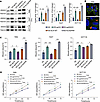 Figure 6
ANXA3+ EVs promote tumor cell migration and proliferation. (A) Western blot analysis of ANXA3 in EVs from HeLa, Huh7, and HCT116 cells under the indicated conditions: NC, SS-sgCtrl, SS-sgANXA3, SS-ALIX-WT, and SS-ALIXΔPRR. TSG101 served as an EV marker. Right, quantification of ANXA3 levels. n = 3. (B) Confocal images of EV uptake by HeLa cells. Cell membranes were labeled with Alexa Fluor 488 (green) and EVs with DiD (red). Insets show enlarged intracellular EVs. Scale bar: 20 µm. (C) Quantification of wound closure at 24 hours in the scratch assay. n = 3. (D) CCK-8 analysis of cell proliferation at 0, 24, 48, and 72 hours (OD450). n = 3. Data are presented as mean ± SD. Statistical analyses were performed using either ordinary 1-way ANOVA followed by Tukey’s multiple-comparison test or 2-way ANOVA followed by Šidák’s multiple-comparison test. *P < 0.05, **P < 0.01, ***P < 0.001.
Subsequently, after prelabeling EVs with DiD and coculturing them with HeLa cells for 24 hours, confocal microscopy demonstrated that the EVs could be taken up by tumor cells (Figure 6B). Wound healing and CCK8 assays were used to evaluate the proliferation and migration abilities of HeLa, Huh7, and HCT116 cells after coculture with the above EVs. The results show that serum starvation–induced EVs promoted tumor cell proliferation and migration, with the SS-ALIXΔPRR-EV group exhibiting a pronouncedly enhanced effect. In contrast, the SS-sgANXA3-EV group displayed reduced proliferative capacity compared with the SS-sgCtrl-EV group (Figure 6, C and D, and Supplemental Figure 6D). These findings highlight ANXA3 as a key cargo responsible for tumor cell migration and the proliferation effect of ALIX-dependent EVs in vitro.
ANXA3+ EVs drive s.c. tumor growth in mice. After establishing s.c. tumor models in BALB/c-nude mice, the tumor-bearing mice received tail vein injections of the various EV preparations described above in separate groups. Twenty-one days later, s.c. tumors were harvested (Figure 7, A and B). Tumor volume (Figure 7C) and mass (Figure 7D) were subsequently analyzed. The results confirmed that enrichment of ANXA3 in EVs promotes tumor growth. Meanwhile, IHC analysis showed that EVs derived from serum starvation stress could induce the expression of ANXA3 and Ki67 in tumors. Specifically, the SS-ALIXΔPRR-EV group exhibited pronouncedly increased ANXA3 and Ki67 expression, while the SS-sgANXA3-EV group showed reduced ANXA3 and Ki67 expression compared with the SS-sgCtrl-EV group. However, the expression level of cleaved Caspase-3 remained unchanged among the groups (Figure 7, E–H). These results demonstrate that enrichment of ANXA3+ EVs induced by starvation stress promotes the progression of s.c. tumors in mice.
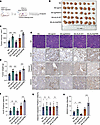 Figure 7
ANXA3+ EVs promote s.c. tumor growth in mice. (A) Schematic of the animal experiment. Huh7 cells were s.c. injected into nude mice. Three days later, EVs from the indicated groups were administered by tail vein injection every 3 days, and tumors were collected on day 21. (B) Representative tumor images from mice treated with EVs from NC, SS-sgCtrl, SS-sgANXA3, SS-ALIX-WT, and SS-ALIXΔPRR groups. (C and D) Quantification of tumor volume (C) and tumor weight (D). n = 8. (E) Representative IHC images of tumor tissues, including H&E, Ki-67, cleaved caspase-3, and ANXA3 staining. Scale bar: 100 μm. (F) Quantification of Ki-67+ cells in tumor tissues. n = 8. (G) Quantification of cleaved caspase-3+ cells in tumor tissues. n = 8. (H) Quantification of ANXA3 staining intensity in tumor tissues. n = 8. Data are presented as mean ± SD. Statistical analysis was performed using ordinary 1-way ANOVA followed by Tukey’s multiple-comparison test. *P < 0.05, **P < 0.01, ***P < 0.001.
To further validate whether the tumor-promoting effects of SS-EVs depend on the ANXA3/ALIX axis, s.c. tumor models were established using cancer cells with genetic KO of ALIX or ANXA3, which was confirmed by Western blotting (Supplemental Figure 6A and Supplemental Figure 7A). Tumor-bearing mice were treated with NC-EVs or SS-EVs. As expected, SS-EVs markedly promoted tumor growth in control cells, whereas ALIX KO pronouncedly suppressed tumor growth, as reflected by reduced tumor size, weight, and volume, even in the presence of SS-EVs (Supplemental Figure 7, B–D). IHC analyses revealed reduced Ki-67 expression in tumors derived from the ALIX-KO group (Supplemental Figure 7, E and F). Similarly, ANXA3 KO pronouncedly inhibited tumor growth and largely weakened the tumor-promoting effects of SS-EVs (Supplemental Figure 7, G–I), with consistently reduced Ki-67 expression (Supplemental Figure 7, J and K). Collectively, these findings demonstrate that the protumorigenic effects of serum starvation–induced EVs are critically dependent on ANXA3 and ALIX, confirming the functional importance of the ANXA3–ALIX–EV axis in tumor progression.
ANXA3+ EVs promote CRC organoid formation. Organoids are 3-dimensional, self-renewing cultures that can recapitulate the complexity of organ tissues in vitro (43). We performed multidimensional characterization to assess the authenticity and stability of colorectal cancer (CRC) organoids, including representative bright-field images of continuous growth on days 1, 3, and 5 (Supplemental Figure 8A). Serial paraffin sections were used for H&E staining and immunohistochemical (IHC) analysis to evaluate the histopathological features of organoids in comparison with their corresponding tumor tissues (Supplemental Figure 8B). IHC was performed for Ki67 and characteristic CRC markers, including CK20, CDX-2, Villin, and CK7. The results showed that the organoids cultured in vitro exhibited a high degree of similarity to patient-derived tumor tissues (Supplemental Figure 8C). Meanwhile, confocal imaging showed the expression of Ki67, CK20, and CDX-2 in CRC organoids, confirming their colorectal origin (Supplemental Figure 8D). TME further revealed the ultrastructural features of cell clusters within the organoids, demonstrating characteristic properties of CRC cells, including abundant microvilli structures (Supplemental Figure 8E). To further evaluate the effects of starvation-induced EVs on CRC organoid formation and growth, we cocultured CRC organoids with different EV preparations (Figure 8A). After labeling HCT116 cell–derived EVs with DiD dye and coculturing them with organoids for 24 hours, confocal imaging revealed that the CRC organoids had taken up the EVs (Figure 8B). Subsequently, we isolated 5 groups of EVs derived from HCT116 cells: NC, SS-sgCtrl, SS-sgANXA3, SS-ALIX-WT, and SS-ALIXΔPRR. These different EVs were cocultured with CRC organoids, and morphological changes were recorded after 72 hours. The results showed that enrichment of ANXA3 in EVs pronouncedly promoted the growth of CRC organoids (Figure 8, C and D). Next, organoids derived from Patient1 were cocultured with 5 groups of HCT116 cell–derived EVs (NC, SS-sgCtrl, SS-sgANXA3, SS-ALIX-WT, SS-ALIXΔPRR), and IHC staining was performed to detect changes in the proliferation marker Ki67. The results showed that EVs from serum starvation stress could induce Ki67 expression in organoids, with the SS-ALIXΔPRR-EV group showing the most marked increase. In contrast, the SS-sgANXA3-EV group exhibited reduced Ki67 expression compared with the SS-sgCtrl-EV group (Figure 8E). Taken together, our study demonstrates that ANXA3+ EVs secreted under serum starvation conditions serve as key “survival signals” released in tumor cells in response to stress.
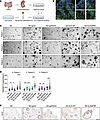 Figure 8
ANXA3+ EVs promote the growth of CRC organoids. (A) Schematic of organoid preparation and EV coculture. CRC tissues were digested to establish organoids, which were then cocultured with EVs. (B) Confocal images showing EV uptake by organoids. Cell membranes were labeled with Alexa Fluor 488 (green) and EVs with DiD (red). Insets show intracellular EVs. Scale bar: 50 μm. (C) Representative bright-field images of organoids from 3 patients cocultured with EVs from NC, SS-sgCtrl, SS-sgANXA3, SS-ALIX-WT, and SS-ALIXΔPRR groups. Scale bar: 100 μm. (D) Quantification of organoid diameter in the 3 patient-derived organoids under the indicated conditions. n = 150 organoids. (E) IHC analysis of Ki67 in Patient 1-derived CRC organoids after coculture with HCT116-derived EVs from the 5 indicated groups. Scale bar: 200 μm. Data are presented as mean ± SD. Statistical analysis was performed using ordinary 1-way ANOVA followed by Tukey’s multiple-comparison test. *P < 0.05, **P < 0.01, ***P < 0.001.


