
Research ArticleGastroenterologyImmunology
Open Access |  10.1172/jci.insight.199827
Plant-based enteral nutrition outperforms ultra-processed formulas in mitigating consequences of antibiotic-induced dysbiosis
Mona Chatrizeh,1,2 Jianmin Tian,1,2 Matthew Rogers,1,2 Firuz Feturi,1,2 Guojun Wu,1,2 Brian Firek,1,2 Roman Nikonov,1,2 Lauren Cass,1,2 Alexandra Sheppeck,1,2 Lavnish Ojha,1,2 Ali Carroll,1,2 Matthew Henkel,2,3 Justin Azar,2,4 Rajesh K. Aneja,2,4 Brian Campfield,2,3 Dennis Simon,2,3,4 and Michael J. Morowitz1,2
1Department of Surgery, University of Pittsburgh School of Medicine, Pittsburgh, Pennsylvania, USA.
2UPMC Children’s Hospital of Pittsburgh, Pittsburgh, Pennsylvania, USA.
3Division of Pediatric Infectious Diseases, Department of Pediatrics, University of Pittsburgh School of Medicine, Pittsburgh, Pennsylvania, USA.
4Department of Critical Care Medicine, University of Pittsburgh, Pittsburgh, Pennsylvania, USA.
5Division of Pediatric Critical Care Medicine, Safar Center for Resuscitation Research, UPMC Children’s Hospital of Pittsburgh, University of Pittsburgh, Pittsburgh, Pennsylvania, USA.
Address correspondence to: Michael J. Morowitz, Department of Surgery, University of Pittsburgh School of Medicine, 200 Lothrop Street, Pittsburgh, Pennsylvania 15213, USA. Phone: 412.692.9236; Email: michael.morowitz@chp.edu.
Find articles by Chatrizeh, M. in: PubMed | Google Scholar
1Department of Surgery, University of Pittsburgh School of Medicine, Pittsburgh, Pennsylvania, USA.
2UPMC Children’s Hospital of Pittsburgh, Pittsburgh, Pennsylvania, USA.
3Division of Pediatric Infectious Diseases, Department of Pediatrics, University of Pittsburgh School of Medicine, Pittsburgh, Pennsylvania, USA.
4Department of Critical Care Medicine, University of Pittsburgh, Pittsburgh, Pennsylvania, USA.
5Division of Pediatric Critical Care Medicine, Safar Center for Resuscitation Research, UPMC Children’s Hospital of Pittsburgh, University of Pittsburgh, Pittsburgh, Pennsylvania, USA.
Address correspondence to: Michael J. Morowitz, Department of Surgery, University of Pittsburgh School of Medicine, 200 Lothrop Street, Pittsburgh, Pennsylvania 15213, USA. Phone: 412.692.9236; Email: michael.morowitz@chp.edu.
Find articles by Tian, J. in: PubMed | Google Scholar
1Department of Surgery, University of Pittsburgh School of Medicine, Pittsburgh, Pennsylvania, USA.
2UPMC Children’s Hospital of Pittsburgh, Pittsburgh, Pennsylvania, USA.
3Division of Pediatric Infectious Diseases, Department of Pediatrics, University of Pittsburgh School of Medicine, Pittsburgh, Pennsylvania, USA.
4Department of Critical Care Medicine, University of Pittsburgh, Pittsburgh, Pennsylvania, USA.
5Division of Pediatric Critical Care Medicine, Safar Center for Resuscitation Research, UPMC Children’s Hospital of Pittsburgh, University of Pittsburgh, Pittsburgh, Pennsylvania, USA.
Address correspondence to: Michael J. Morowitz, Department of Surgery, University of Pittsburgh School of Medicine, 200 Lothrop Street, Pittsburgh, Pennsylvania 15213, USA. Phone: 412.692.9236; Email: michael.morowitz@chp.edu.
Find articles by Rogers, M. in: PubMed | Google Scholar
1Department of Surgery, University of Pittsburgh School of Medicine, Pittsburgh, Pennsylvania, USA.
2UPMC Children’s Hospital of Pittsburgh, Pittsburgh, Pennsylvania, USA.
3Division of Pediatric Infectious Diseases, Department of Pediatrics, University of Pittsburgh School of Medicine, Pittsburgh, Pennsylvania, USA.
4Department of Critical Care Medicine, University of Pittsburgh, Pittsburgh, Pennsylvania, USA.
5Division of Pediatric Critical Care Medicine, Safar Center for Resuscitation Research, UPMC Children’s Hospital of Pittsburgh, University of Pittsburgh, Pittsburgh, Pennsylvania, USA.
Address correspondence to: Michael J. Morowitz, Department of Surgery, University of Pittsburgh School of Medicine, 200 Lothrop Street, Pittsburgh, Pennsylvania 15213, USA. Phone: 412.692.9236; Email: michael.morowitz@chp.edu.
Find articles by Feturi, F. in: PubMed | Google Scholar
1Department of Surgery, University of Pittsburgh School of Medicine, Pittsburgh, Pennsylvania, USA.
2UPMC Children’s Hospital of Pittsburgh, Pittsburgh, Pennsylvania, USA.
3Division of Pediatric Infectious Diseases, Department of Pediatrics, University of Pittsburgh School of Medicine, Pittsburgh, Pennsylvania, USA.
4Department of Critical Care Medicine, University of Pittsburgh, Pittsburgh, Pennsylvania, USA.
5Division of Pediatric Critical Care Medicine, Safar Center for Resuscitation Research, UPMC Children’s Hospital of Pittsburgh, University of Pittsburgh, Pittsburgh, Pennsylvania, USA.
Address correspondence to: Michael J. Morowitz, Department of Surgery, University of Pittsburgh School of Medicine, 200 Lothrop Street, Pittsburgh, Pennsylvania 15213, USA. Phone: 412.692.9236; Email: michael.morowitz@chp.edu.
Find articles by Wu, G. in: PubMed | Google Scholar
1Department of Surgery, University of Pittsburgh School of Medicine, Pittsburgh, Pennsylvania, USA.
2UPMC Children’s Hospital of Pittsburgh, Pittsburgh, Pennsylvania, USA.
3Division of Pediatric Infectious Diseases, Department of Pediatrics, University of Pittsburgh School of Medicine, Pittsburgh, Pennsylvania, USA.
4Department of Critical Care Medicine, University of Pittsburgh, Pittsburgh, Pennsylvania, USA.
5Division of Pediatric Critical Care Medicine, Safar Center for Resuscitation Research, UPMC Children’s Hospital of Pittsburgh, University of Pittsburgh, Pittsburgh, Pennsylvania, USA.
Address correspondence to: Michael J. Morowitz, Department of Surgery, University of Pittsburgh School of Medicine, 200 Lothrop Street, Pittsburgh, Pennsylvania 15213, USA. Phone: 412.692.9236; Email: michael.morowitz@chp.edu.
Find articles by Firek, B. in: PubMed | Google Scholar
1Department of Surgery, University of Pittsburgh School of Medicine, Pittsburgh, Pennsylvania, USA.
2UPMC Children’s Hospital of Pittsburgh, Pittsburgh, Pennsylvania, USA.
3Division of Pediatric Infectious Diseases, Department of Pediatrics, University of Pittsburgh School of Medicine, Pittsburgh, Pennsylvania, USA.
4Department of Critical Care Medicine, University of Pittsburgh, Pittsburgh, Pennsylvania, USA.
5Division of Pediatric Critical Care Medicine, Safar Center for Resuscitation Research, UPMC Children’s Hospital of Pittsburgh, University of Pittsburgh, Pittsburgh, Pennsylvania, USA.
Address correspondence to: Michael J. Morowitz, Department of Surgery, University of Pittsburgh School of Medicine, 200 Lothrop Street, Pittsburgh, Pennsylvania 15213, USA. Phone: 412.692.9236; Email: michael.morowitz@chp.edu.
Find articles by Nikonov, R. in: PubMed | Google Scholar
1Department of Surgery, University of Pittsburgh School of Medicine, Pittsburgh, Pennsylvania, USA.
2UPMC Children’s Hospital of Pittsburgh, Pittsburgh, Pennsylvania, USA.
3Division of Pediatric Infectious Diseases, Department of Pediatrics, University of Pittsburgh School of Medicine, Pittsburgh, Pennsylvania, USA.
4Department of Critical Care Medicine, University of Pittsburgh, Pittsburgh, Pennsylvania, USA.
5Division of Pediatric Critical Care Medicine, Safar Center for Resuscitation Research, UPMC Children’s Hospital of Pittsburgh, University of Pittsburgh, Pittsburgh, Pennsylvania, USA.
Address correspondence to: Michael J. Morowitz, Department of Surgery, University of Pittsburgh School of Medicine, 200 Lothrop Street, Pittsburgh, Pennsylvania 15213, USA. Phone: 412.692.9236; Email: michael.morowitz@chp.edu.
Find articles by Cass, L. in: PubMed | Google Scholar
1Department of Surgery, University of Pittsburgh School of Medicine, Pittsburgh, Pennsylvania, USA.
2UPMC Children’s Hospital of Pittsburgh, Pittsburgh, Pennsylvania, USA.
3Division of Pediatric Infectious Diseases, Department of Pediatrics, University of Pittsburgh School of Medicine, Pittsburgh, Pennsylvania, USA.
4Department of Critical Care Medicine, University of Pittsburgh, Pittsburgh, Pennsylvania, USA.
5Division of Pediatric Critical Care Medicine, Safar Center for Resuscitation Research, UPMC Children’s Hospital of Pittsburgh, University of Pittsburgh, Pittsburgh, Pennsylvania, USA.
Address correspondence to: Michael J. Morowitz, Department of Surgery, University of Pittsburgh School of Medicine, 200 Lothrop Street, Pittsburgh, Pennsylvania 15213, USA. Phone: 412.692.9236; Email: michael.morowitz@chp.edu.
Find articles by Sheppeck, A. in: PubMed | Google Scholar
1Department of Surgery, University of Pittsburgh School of Medicine, Pittsburgh, Pennsylvania, USA.
2UPMC Children’s Hospital of Pittsburgh, Pittsburgh, Pennsylvania, USA.
3Division of Pediatric Infectious Diseases, Department of Pediatrics, University of Pittsburgh School of Medicine, Pittsburgh, Pennsylvania, USA.
4Department of Critical Care Medicine, University of Pittsburgh, Pittsburgh, Pennsylvania, USA.
5Division of Pediatric Critical Care Medicine, Safar Center for Resuscitation Research, UPMC Children’s Hospital of Pittsburgh, University of Pittsburgh, Pittsburgh, Pennsylvania, USA.
Address correspondence to: Michael J. Morowitz, Department of Surgery, University of Pittsburgh School of Medicine, 200 Lothrop Street, Pittsburgh, Pennsylvania 15213, USA. Phone: 412.692.9236; Email: michael.morowitz@chp.edu.
Find articles by Ojha, L. in: PubMed | Google Scholar
1Department of Surgery, University of Pittsburgh School of Medicine, Pittsburgh, Pennsylvania, USA.
2UPMC Children’s Hospital of Pittsburgh, Pittsburgh, Pennsylvania, USA.
3Division of Pediatric Infectious Diseases, Department of Pediatrics, University of Pittsburgh School of Medicine, Pittsburgh, Pennsylvania, USA.
4Department of Critical Care Medicine, University of Pittsburgh, Pittsburgh, Pennsylvania, USA.
5Division of Pediatric Critical Care Medicine, Safar Center for Resuscitation Research, UPMC Children’s Hospital of Pittsburgh, University of Pittsburgh, Pittsburgh, Pennsylvania, USA.
Address correspondence to: Michael J. Morowitz, Department of Surgery, University of Pittsburgh School of Medicine, 200 Lothrop Street, Pittsburgh, Pennsylvania 15213, USA. Phone: 412.692.9236; Email: michael.morowitz@chp.edu.
Find articles by Carroll, A. in: PubMed | Google Scholar
1Department of Surgery, University of Pittsburgh School of Medicine, Pittsburgh, Pennsylvania, USA.
2UPMC Children’s Hospital of Pittsburgh, Pittsburgh, Pennsylvania, USA.
3Division of Pediatric Infectious Diseases, Department of Pediatrics, University of Pittsburgh School of Medicine, Pittsburgh, Pennsylvania, USA.
4Department of Critical Care Medicine, University of Pittsburgh, Pittsburgh, Pennsylvania, USA.
5Division of Pediatric Critical Care Medicine, Safar Center for Resuscitation Research, UPMC Children’s Hospital of Pittsburgh, University of Pittsburgh, Pittsburgh, Pennsylvania, USA.
Address correspondence to: Michael J. Morowitz, Department of Surgery, University of Pittsburgh School of Medicine, 200 Lothrop Street, Pittsburgh, Pennsylvania 15213, USA. Phone: 412.692.9236; Email: michael.morowitz@chp.edu.
Find articles by Henkel, M. in: PubMed | Google Scholar
1Department of Surgery, University of Pittsburgh School of Medicine, Pittsburgh, Pennsylvania, USA.
2UPMC Children’s Hospital of Pittsburgh, Pittsburgh, Pennsylvania, USA.
3Division of Pediatric Infectious Diseases, Department of Pediatrics, University of Pittsburgh School of Medicine, Pittsburgh, Pennsylvania, USA.
4Department of Critical Care Medicine, University of Pittsburgh, Pittsburgh, Pennsylvania, USA.
5Division of Pediatric Critical Care Medicine, Safar Center for Resuscitation Research, UPMC Children’s Hospital of Pittsburgh, University of Pittsburgh, Pittsburgh, Pennsylvania, USA.
Address correspondence to: Michael J. Morowitz, Department of Surgery, University of Pittsburgh School of Medicine, 200 Lothrop Street, Pittsburgh, Pennsylvania 15213, USA. Phone: 412.692.9236; Email: michael.morowitz@chp.edu.
Find articles by Azar, J. in: PubMed | Google Scholar
1Department of Surgery, University of Pittsburgh School of Medicine, Pittsburgh, Pennsylvania, USA.
2UPMC Children’s Hospital of Pittsburgh, Pittsburgh, Pennsylvania, USA.
3Division of Pediatric Infectious Diseases, Department of Pediatrics, University of Pittsburgh School of Medicine, Pittsburgh, Pennsylvania, USA.
4Department of Critical Care Medicine, University of Pittsburgh, Pittsburgh, Pennsylvania, USA.
5Division of Pediatric Critical Care Medicine, Safar Center for Resuscitation Research, UPMC Children’s Hospital of Pittsburgh, University of Pittsburgh, Pittsburgh, Pennsylvania, USA.
Address correspondence to: Michael J. Morowitz, Department of Surgery, University of Pittsburgh School of Medicine, 200 Lothrop Street, Pittsburgh, Pennsylvania 15213, USA. Phone: 412.692.9236; Email: michael.morowitz@chp.edu.
Find articles by Aneja, R. in: PubMed | Google Scholar
1Department of Surgery, University of Pittsburgh School of Medicine, Pittsburgh, Pennsylvania, USA.
2UPMC Children’s Hospital of Pittsburgh, Pittsburgh, Pennsylvania, USA.
3Division of Pediatric Infectious Diseases, Department of Pediatrics, University of Pittsburgh School of Medicine, Pittsburgh, Pennsylvania, USA.
4Department of Critical Care Medicine, University of Pittsburgh, Pittsburgh, Pennsylvania, USA.
5Division of Pediatric Critical Care Medicine, Safar Center for Resuscitation Research, UPMC Children’s Hospital of Pittsburgh, University of Pittsburgh, Pittsburgh, Pennsylvania, USA.
Address correspondence to: Michael J. Morowitz, Department of Surgery, University of Pittsburgh School of Medicine, 200 Lothrop Street, Pittsburgh, Pennsylvania 15213, USA. Phone: 412.692.9236; Email: michael.morowitz@chp.edu.
Find articles by Campfield, B. in: PubMed | Google Scholar
1Department of Surgery, University of Pittsburgh School of Medicine, Pittsburgh, Pennsylvania, USA.
2UPMC Children’s Hospital of Pittsburgh, Pittsburgh, Pennsylvania, USA.
3Division of Pediatric Infectious Diseases, Department of Pediatrics, University of Pittsburgh School of Medicine, Pittsburgh, Pennsylvania, USA.
4Department of Critical Care Medicine, University of Pittsburgh, Pittsburgh, Pennsylvania, USA.
5Division of Pediatric Critical Care Medicine, Safar Center for Resuscitation Research, UPMC Children’s Hospital of Pittsburgh, University of Pittsburgh, Pittsburgh, Pennsylvania, USA.
Address correspondence to: Michael J. Morowitz, Department of Surgery, University of Pittsburgh School of Medicine, 200 Lothrop Street, Pittsburgh, Pennsylvania 15213, USA. Phone: 412.692.9236; Email: michael.morowitz@chp.edu.
Find articles by Simon, D. in: PubMed | Google Scholar
1Department of Surgery, University of Pittsburgh School of Medicine, Pittsburgh, Pennsylvania, USA.
2UPMC Children’s Hospital of Pittsburgh, Pittsburgh, Pennsylvania, USA.
3Division of Pediatric Infectious Diseases, Department of Pediatrics, University of Pittsburgh School of Medicine, Pittsburgh, Pennsylvania, USA.
4Department of Critical Care Medicine, University of Pittsburgh, Pittsburgh, Pennsylvania, USA.
5Division of Pediatric Critical Care Medicine, Safar Center for Resuscitation Research, UPMC Children’s Hospital of Pittsburgh, University of Pittsburgh, Pittsburgh, Pennsylvania, USA.
Address correspondence to: Michael J. Morowitz, Department of Surgery, University of Pittsburgh School of Medicine, 200 Lothrop Street, Pittsburgh, Pennsylvania 15213, USA. Phone: 412.692.9236; Email: michael.morowitz@chp.edu.
Find articles by Morowitz, M. in: PubMed | Google Scholar
Published April 9, 2026 - More info
JCI Insight. 2026;11(9):e199827. https://doi.org/10.1172/jci.insight.199827.
© 2026 Chatrizeh et al. This work is licensed under the Creative Commons Attribution 4.0 International License. To view a copy of this license, visit http://creativecommons.org/licenses/by/4.0/.
Received: September 2, 2025; Accepted: March 10, 2026

-
Results
PBEN mitigates antibiotic-induced dysbiosis in mice. The composition and function of the microbiome are shaped by antibiotic use and diet. We used 16S rRNA gene sequencing to monitor temporal response to antibiotic and dietary interventions. Mice received a cocktail of broad-spectrum oral antibiotics (ABX; described in Methods) for 7 days, followed by a recovery period in which they were randomized to receive either plant-based enteral nutrition (PBEN) or AEN for an additional 7 days (Figure 1A). Sequencing data revealed a significant decline in α-diversity, measured by Chao1 and Shannon diversity indices, in all antibiotic-exposed animals indicating a reduction in microbial richness and diversity (Figure 1B, Supplemental Figure 1A, and Supplemental Tables 1 and 2). α-Diversity collapsed from baseline (Chao1 PBEN: 76.3 ± 5.6; AEN: 79.4 ± 7.0) after ABX treatment (PBEN: 14.4 ± 5.6; AEN: 18.7 ± 5.4). Importantly, PBEN-fed animals demonstrated significant recovery after 7 days of diet (Chao1: 33.4 ± 7.1) compared with AEN-fed animals (4.9 ± 0.6; P = 0.011) (Supplemental Figure 1A and Supplemental Table 2), suggesting superior microbiota restoration with plant-based nutrition. Importantly, AEN feeding alone also significantly reduced α-diversity even in the absence of ABX, with day 14 Chao1 richness substantially lower in AEN-fed mice (53.6 ± 10.0) compared with PBEN (125.4 ± 20.9; P = 0.008) (Supplemental Figure 1B and Supplemental Table 2). Two additional experimental iterations varied diets during ABX and recovery phases: all animals received AEN instead of normal chow during ABX (Supplemental Figure 1B), or half received PBEN and half received AEN during ABX treatment (Supplemental Figure 1C). In both cases, PBEN was consistently superior in maintaining α-diversity and mitigating dysbiosis compared with AEN, suggesting that PBEN supports microbiota richness whereas AEN leads to diversity loss both independently and after ABX perturbation.
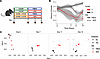 Figure 1
PBEN is superior to AEN in restoring microbial diversity following ABX exposure. (A) Experimental schematic. (B) α-Diversity (Shannon index) of stool microbiota from mice across dietary and antibiotic conditions (n = 4–5 per group). (C) Weighted UniFrac–based β-diversity showing clustering of microbial communities; each point represents 1 mouse. Samples with fewer than 1,000 reads were excluded from β-diversity analysis.
β-Diversity analyses of community composition demonstrated similar baseline fecal microbiota across groups prior to dietary or antibiotic intervention (Figure 1C). Weighted UniFrac Principle Coordinates Analysis (PCoA) showed that PC1 and PC2 explained 16% and 10% of the variation, respectively. Permutational multivariate ANOVA (PERMANOVA) confirmed significant effects of time (R2 = 0.147, P = 0.001), antibiotic treatment (R2 = 0.085, P = 0.001), and diet (R2 = 0.037, P = 0.001) on microbial community composition (Supplemental Table 3). ABX-treated animals clustered separately from animals that did not receive ABX. During recovery, PBEN and AEN mice clustered distinctly from antibiotic-naive and antibiotic-treated groups (Figure 1C). Notably, the gut microbiota of PBEN-fed mice recovering from ABX showed greater similarity to that of ABX-naive animals, whereas AEN-fed mice remained persistently perturbed (Figure 1C). These results show that ABX alter gut microbial communities and diet shapes recovery.
We also observed diet-dependent taxonomic differences in gut microbial profiles (Figure 2). In the absence of ABX, PBEN-fed animals harbored more short-chain fatty acid–producing commensals, including Bacteroidetes, Ruminococcaceae, and Lachnospiraceae. AEN samples were enriched in taxa with pathogenic or mucus-degrading potential, such as Erysipelotrichaceae and Verrucomicrobiaceae, previously shown to bloom with fiber-deficient diets (27–30). After 1 week of ABX treatment, PBEN and AEN communities were both disrupted, but PBEN-randomized mice showed more favorable recovery with restoration of beneficial commensals, whereas AEN-randomized samples were almost uniformly dominated by Enterobacteriaceae (Figure 2). Confirmation experiments in an independent cohort also revealed pathogens in post-antibiotic AEN samples (Enterobacteriaceae and Enterococcaceae) (Supplemental Figure 2). Thus, diet critically determines post-ABX microbial recovery, with PBEN promoting reconstitution of beneficial commensals and AEN contributing to a pathogen-dominated dysbiotic state.
 Figure 2
Diet shapes taxonomic composition following antibiotic exposure. Relative abundance of dominant bacterial families in fecal samples from mice receiving PBEN or AEN with or without antibiotic treatment (n = 4–5 per group). Each column represents an individual mouse.
AEN sustains GI inflammation during recovery from ABX treatment and promotes bacterial dissemination. GI distress is a well-documented consequence of antibiotic treatment in rodents and humans (3, 31). In our experiments, antibiotic-treated animals exhibited intestinal distress similar to that seen in colitis models. Intestinal inflammation severity was assessed using a modified disease activity index (DAI) scoring weight loss, stool consistency, and hematochezia. Regardless of diet, animals exposed to ABX uniformly had increased DAI scores (Figure 3A). Mice receiving PBEN during washout experienced an improvement in symptoms, whereas disease severity persisted in AEN-fed animals (DAI PBEN: 4.00 ± 0.32; AEN: 6.25 ± 0.25; P = 0.0011). Building on prior observations that ABX increase cecal size and weight (31), we demonstrate that this response is diet dependent. AEN animals showed greater cecal/body weight ratios (5.6% ± 0.4%) than PBEN-fed animals (3.8% ± 0.4%; P = 0.022) (Figure 3B). As also reported by others, histologic examination of colonic tissue revealed no overt intestinal damage after ABX (not shown). However, enlarged submucosal lymphoid aggregates were observed after gut recolonization, particularly in AEN-fed mice (Supplemental Figure 3A) (32). Such lymphoid structures are associated with inflammatory bowel disease and suggest a gut-specific immune response (33–35). Finally, we measured fecal lipocalin-2 (Lcn2) as a biomarker of intestinal inflammation (36). Previous studies have shown that ABX treatment decreases LCN2 levels (37, 38). We extend these observations by demonstrating that during recolonization, LCN2 levels are diet dependent, with AEN-fed animals exhibiting higher LCN2 (day 14: 92.8 ± 12.0 pg/mg stool) than PBEN-fed (46.7 ± 8.9 pg/mg stool; P = 0.0062) (Figure 3C). This pattern suggests that post-antibiotic intestinal inflammation is influenced by diet and is more pronounced with AEN.
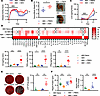 Figure 3
PBEN but not AEN mitigates signs of intestinal inflammation due to ABX exposure. (A) Disease activity index (DAI) following antibiotic treatment and dietary intervention (n = 5 per group). (B) Cecal/body weight ratio in PBEN (n = 5) versus AEN (n = 4) mice with representative cecal images. (C) Fecal Lcn2 levels (n = 11 per group). (D) Heatmap of relative expression of 32 cytokines from colon tissue lysates (n = 6–11 per group); X denotes undetectable cytokines. Selected cytokines (IL-6, TNF-α, IFN-γ) are shown as pg/mg protein. (E) Splenic bacterial burden (n = 5–7 per group) with representative images. (F) Ileal Reg3g protein and mRNA expression (n = 5–11 per group). Data represent mean ± SEM. Significance: 2-tailed Student’s t test comparing ABX-naive vs. ABX-treated and PBEN vs. AEN after ABX. *P < 0.05, **P < 0.01, ***P < 0.001, ****P < 0.0001.
To assess ABX-induced intestinal inflammation and diet-dependent recovery, we performed multiplex Luminex analysis quantifying protein expression of 32 cytokines in colon tissue lysates. In some cases, e.g., IL-6 and TNF-α, we observed modest increases in proinflammatory cytokines immediately after completion of ABX. During recovery, AEN-fed mice exhibited global cytokine surge across all inflammatory and regulatory pathways, including G-CSF, GM-CSF, IFN-γ, TNF-α, IL-10, and IL-6, consistent with a dysregulated post-antibiotic immune response (Figure 3D). Interestingly, leukemia inhibitory factor (LIF), an IL-6 superfamily cytokine secreted by inflamed gut epithelium, was undetectable in all samples except AEN samples collected during the washout period (Figure 3D) (39, 40). To test whether microbiome reestablishment contributes to the post-antibiotic inflammatory response, we developed a coculture system in which immortalized HT29 epithelial cells were incubated with fecal samples from antibiotic-treated mice during PBEN or AEN washout and IL-8 expression, a mediator of GI inflammatory response, was analyzed (41–43). After 1 week of recovery, both diets induced IL-8 expression, suggesting that recolonization is proinflammatory. IL-8 expression was higher with AEN samples than PBEN, although this did not reach statistical significance. Coculturing HT29 with heat-killed bacteria from the same stool reduced this difference (Supplemental Figure 3B), suggesting that viable bacteria mediate the observed diet-dependent effects.
Gut inflammation and antibiotic-induced microbiota depletion both compromise intestinal barrier integrity, facilitating translocation of bacteria and their by-products (44–50). We therefore quantified bacterial colony-forming units (CFU) recovered within the spleens of antibiotic-treated animals before and after dietary randomization. As expected, only minimal bacterial CFU were recovered from spleens of ABX-naive or ABX-treated animals. However, we observed substantial bacterial growth in spleens collected 1 week after ABX cessation. AEN-fed animals during washout exhibited heavy splenic bacterial burdens (4.73 × 10⁵ ± 1.06 × 10⁵ CFU/g), exceeding those seen in PBEN-fed animals (0.663 × 10⁵ ± 0.151 × 10⁵ CFU/g; P = 0.0048) (Figure 3E). These data confirm prior reports that gut bacterial translocation peaks after ABX cessation and indicate that diet modulates its magnitude (46, 50). Given the known role of Muc2 and Reg3g as regulators of mucosal immunity and intestinal inflammation, we hypothesized that their expression would be altered by ABX-induced microbiome changes. In line with observations by other groups that ABX disrupt the colonic mucus barrier, we found that ABX decreased colonic MUC2 expression, with no diet-dependent differences during recovery (Supplemental Figure 3C) (51, 52). Similarly, we confirmed previous findings that ABX treatment decreases ileal REG3G expression (Figure 3F) (53). As with fecal lipocalin, the increase in REG3G was more substantial with AEN (17.7 ± 1.0 ng/mL) during the washout period compared with PBEN (14.4 ± 0.9 ng/mL; P = 0.0314), likely reflecting microbial blooms during recolonization given the bactericidal activity of Reg3.
AEN sustains an expansion of myeloid cells and contraction of lymphoid cells in the bone marrow after ABX. Previous studies demonstrate that broad-spectrum ABX disrupt steady-state hematopoiesis by impairing basal Stat1 signaling in the bone marrow niche, leading to reduced cellularity and skewing lineage development (54). Consistent with these findings, we observed a reduction in total bone marrow cellularity following ABX exposure (Figure 4A). In the absence of ABX, PBEN and AEN diets alone did not significantly differ in bone marrow cellularity (Supplemental Figure 4A). During ABX recovery, however, PBEN-fed mice exhibited significantly higher bone marrow cellularity (2.47 × 10⁷ ± 0.10 × 10⁷ cells) compared with AEN-fed (2.22 × 10⁷ ± 0.06 × 10⁷; P = 0.0333) (Figure 4A). CD11b staining of bone marrow cells by flow cytometry revealed increased myeloid cell frequency immediately following ABX treatment. Importantly, PBEN more effectively mitigated this increase during recovery compared with AEN (PBEN: 50.7% ± 2.7%; AEN: 63.5% ± 4.3%; P = 0.020) (Figure 4B). To assess lymphoid populations, we broadly gated on CD11b– cells and evaluated B220, CD4, and CD8 expression, consistent with the approach used by Josefsdottir et al. (54). This gating strategy replicated published methods, enabling direct comparison with established ABX-induced hematopoietic changes. Using this approach, we observed that ABX reduced B cell frequency (CD11b–B220+) and the CD4/CD8 (CD11b–CD4+/CD8+) ratio in bone marrow cells, as previously reported (Figure 4, C and D) (54). During recovery, PBEN mice exhibited improved B cell restoration (34.7% ± 3.0%) compared with AEN (22.6% ± 3.7%; P = 0.020) (Figure 4C). The CD4/CD8 ratio was normalized in PBEN-fed mice (0.77 ± 0.07) but increased significantly in the AEN group (1.02 ± 0.07; P = 0.023) (Figure 4D). Together, these findings propose that post-ABX bone marrow composition is diet dependent, with PBEN partially restoring hematopoietic balance and AEN exacerbating ABX-induced dysregulation.
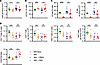 Figure 4
AEN sustains bone marrow myeloid expansion after ABX. (A) Bone marrow cellularity. (B) CD11b+ myeloid cell frequency. (C) B cell frequency and count. (D) CD4+ and CD8+ T cell frequencies, counts, and CD4/CD8 ratio (n = 7–14). Data represent mean ± SEM. Significance: 2-tailed Student’s t test comparing ABX-naive vs. ABX-treated and PBEN vs. AEN after ABX. *P < 0.05, **P < 0.01, ***P < 0.001, ****P < 0.0001.
PBEN is superior to AEN in rescuing ABX-induced anemia and leukopenia. Clinicians have long recognized that some patients develop cytopenias during antibiotic treatment, but underlying mechanisms remained unclear until recent studies linked the microbiome and hematopoiesis (31, 54–57). Therefore, we assessed whether bone marrow immune cell shifts were reflected in peripheral blood counts (Figure 5A). In the absence of ABX, PBEN- and AEN-fed animals had similar complete blood count (CBC) profiles (Supplemental Figure 4B). As reported previously, antibiotic-induced dysbiosis led to anemia and leukopenia (Figure 5B) (54). However, mice fed PBEN during the recovery phase exhibited improved anemia, evidenced by higher hemoglobin levels (12.9 ± 0.1 g/dL) than in AEN-fed mice (11.8 ± 0.2 g/dL; P < 0.0001) (Figure 5B). ABX treatment also resulted in neutrophilia and leukopenia, resulting in a higher neutrophil-to-lymphocyte ratio (NLR), a marker of increased ICU mortality (58–61). While lymphocyte counts during washout were comparable between PBEN- and AEN-fed mice, AEN mice exhibited higher neutrophil counts and elevated NLR (AEN: 0.27 ± 0.04; PBEN: 0.15 ± 0.04; P = 0.036) (Figure 5B).
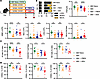 Figure 5
PBEN is superior to AEN in rescuing ABX-induced anemia and leukopenia. (A) Experimental schematic. (B) Peripheral blood profiles including differential, hemoglobin, total WBC, neutrophil (NEU), and lymphocyte (LYM) counts, and neutrophil-to-lymphocyte ratio. (C) Flow cytometric analysis of lymphocytes showing B cells, CD4/CD8 ratio, and natural killer (NK) cells with CD62L+ naive lymphocyte proportions (n = 8–15 per group). Data represent mean ± SEM. Significance: 2-tailed Student’s t test comparing ABX-naive vs. ABX-treated and PBEN vs. AEN after ABX. *P < 0.05, **P < 0.01, ***P < 0.001, ****P < 0.0001.
As in bone marrow analyses, we used flow cytometry to assess peripheral blood lymphocyte subsets within the CD11b– fraction and found that ABX treatment decreased B (CD11b–B220+) and natural killer (NK; CD11b–NK1.1+) cells. As previously reported, CD4 (CD11b–CD4+) T cells decreased while CD8 (CD11b–CD8a+) T cells increased, resulting in a lower CD4/CD8 ratio (Figure 5C) (54). During recovery from ABX, PBEN mitigated most antibiotic-induced derangements, restoring lymphoid cells with higher B (PBEN: 48.4% ± 2.2%; AEN: 31.7% ± 3.4%; P = 0.0003), NK (PBEN: 9.1% ± 0.7%; AEN: 6.9% ± 0.5%; P = 0.0209), and CD4/CD8 ratios (PBEN: 1.20 ± 0.10; AEN: 0.94 ± 0.07; P = 0.0351) than AEN. We further investigated the activation state of these lymphocytes using CD62L (L-selectin), a marker of naive lymphocytes shed during homing to inflamed tissues (62–64). ABX treatment decreased the proportion of naive NK, CD4+, and CD8+ T cells, indicated by reduced CD62L+ population (Figure 5D). During recovery, PBEN was superior in restoring these naive populations in comparison with AEN-fed mice, which had lower proportions of naive NK, CD4+, and CD8+ T cells (Figure 5D). Collectively, these findings show that ABX disrupt peripheral immunity, favoring granulocytes over lymphocytes and altering naive-effector balance. PBEN was more effective than AEN in mitigating these effects and promoting hematologic recovery.
PBEN minimizes severity of post-antibiotic vancomycin-resistant Enterococcus faecalis and Klebsiella pneumoniae GI infections but not Klebsiella-induced pneumonia. We used murine models to test whether antibiotic- and diet-induced changes in peripheral blood and bone marrow influence susceptibility to infectious and inflammatory challenges relevant to humans receiving ABX and enteral nutrition. Using an established model of antibiotic-induced dysbiosis and gut barrier disruption, we tested PBEN and AEN effects on bacterial clearance and systemic translocation (65). PBEN- and AEN-fed mice were treated with neomycin and vancomycin, then inoculated with Klebsiella pneumoniae 396 (KP) by gastric gavage. Intestinal inflammation was induced 14 days post-infection (dpi) using dextran sulfate sodium (DSS) in ABX-treated animals. DSS was omitted in ABX-naive animals to isolate diet effects on an undisturbed microbiome. Fecal samples were collected to monitor KP colonization, and animals were sacrificed 3 days after DSS to assess splenic dissemination. Fecal KP burdens were similar in PBEN and AEN mice at 3 dpi. At 15 dpi, fecal KP burden and splenic translocation were significantly higher in AEN-fed than in PBEN-fed mice regardless of ABX exposure (Figure 6A). Interestingly, the protection offered by PBEN was not conferred in a KP-induced pneumonia. In this model, AEN-fed mice had more favorable outcomes than PBEN-fed (Supplemental Figure 6), suggesting that protection is limited to GI infections.
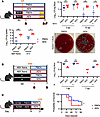 Figure 6
PBEN minimizes severity of post-ABX GI infections. (A) K. pneumoniae–DSS model schematic; K. pneumoniae 396 (KP) burden was quantified by qPCR in stool at 3 and 5 days post-infection (dpi) (n = 5–8 per group) and spleen at sacrifice (n = 5 per group). Representative spleen culture images demonstrate dissemination. (B) Vancomycin-resistant Enterococcus faecalis (VRE) model schematic; cecal VRE burden was assessed at 1 and 7 dpi (n = 4–9 per group). (C) Lipopolysaccharide (LPS) challenge schematic; Kaplan-Meier comparison of survival of PBEN- versus AEN-fed mice (n = 21 mice per diet), analyzed using the log-rank (Mantel-Cox) test. All other data represent mean ± SEM. Significance: 2-tailed Student’s t test comparing PBEN vs. AEN. *P < 0.05, **P < 0.01, ***P < 0.001.
We next tested whether PBEN protection extends to another common nosocomial gut pathogen. Mice were randomized into 4 groups receiving either PBEN or AEN with or without ampicillin for 7 days. After ABX cessation, animals continued PBEN or AEN during a 7-day washout. After washout, all groups were gavaged with 105 CFU of vancomycin-resistant Enterococcus faecalis (VRE) (66). While both ABX-naive PBEN and AEN groups had colonization and similar VRE burden at 1 dpi, PBEN-randomized animals had cleared the infection, whereas AEN mice had high VRE burdens (8.30 × 10⁴ ± 4.95 × 10⁴ CFU/g stool) at 7 dpi. With ABX pretreatment, PBEN-fed mice had significantly lower VRE burdens (5.49 × 10⁶ ± 1.00 × 10⁶ CFU/g stool) than AEN-randomized mice (3.39 × 10⁸ ± 0.78 × 10⁸ CFU/g stool) (Figure 6B). These results suggest that PBEN is superior to AEN in promoting clearance of intestinal VRE.
In a third evaluation of diet-dependent post-ABX inflammatory responses, mice received ABX for 2 weeks followed by 1 week of recovery on PBEN or AEN. On the final day of recovery, they received a potentially lethal dose of lipopolysaccharide (LPS) and were monitored for survival. Over the course of 3 separate cohorts, PBEN-fed mice demonstrated reproducibly increased survival compared with AEN-fed (Figure 6C). PBEN resulted in 37.5% mortality with survivors remaining healthy, while AEN resulted in 62.5% mortality with a median survival time of only 48 hours, illustrating that PBEN offers a protective effect against LPS-induced lethality. Overall, these data suggest that PBEN after antibiotic treatment offers a distinct advantage in inflammatory recovery and bacterial clearance in mouse models.
Dietary intervention with pediatric PBEN promotes microbiome recovery and improved peripheral blood profile in critically ill children. We previously demonstrated severe ICU dysbiosis in critically ill patients and separately showed that open-label conversion from AEN to PBEN in pediatric outpatients promotes commensal anaerobes and reduces gut pathogen colonization (19, 20, 67–69). Here, we conducted a small pilot study of children admitted to a single quaternary-care pediatric intensive care unit (PICU). All subjects were initiated on enteral feeds via feeding tube as part of routine clinical care, with no other changes to management. After consent, children were randomized 1:1 to commercially available pediatric PBEN (Nourish) or AEN (PediaSure) with the primary goal of comparing temporal changes in the gut microbiome between groups.
Thirty-two patients were enrolled, with 14 randomized to PediaSure and 18 to Nourish. Of these, 28 completed the study (13 PediaSure, 15 Nourish). Timing of enteral feed initiation was determined by clinicians without input from the research study team. Baseline characteristics, including race, sex, body mass index, comorbidities, and Pediatric Index of Mortality 3 (PIM-3) score, were similar (Table 1). Children randomized to PediaSure were younger (3.1 ± 2.3 vs. 6.1 ± 4.2 years; P = 0.03). There were no group differences in antibiotic exposure, positive cultures, or parenteral nutrition use. PICU and hospital length of stay (LOS) differed significantly between groups, with children receiving PBEN exhibiting longer LOS than those receiving AEN (Table 1). However, LOS in this small pilot study was highly variable and was influenced by a small number of patients with prolonged, complex hospital courses unrelated to diet. Importantly, all subjects received clinician-prescribed ABX, with no differences in exposure between PBEN and AEN groups.
Metagenomic sequencing of fecal samples and rectal swabs confirmed similar baseline microbial diversity across groups. By contrast, at the conclusion of feeding, microbiome profiles differed markedly between groups (Supplemental Figure 7, A and B). Although pathogens such as Candida albicans remained detectable in both groups, the most abundant in PBEN samples included Bacteroides ovatus and Phocaeicola vulgatus (previously B. vulgatus), commensal anaerobes that degrade plant fiber to generate metabolites such as N-methylserotonin and short-chain fatty acids associated with protective intestinal inflammatory responses (70–72). In contrast, the most abundant taxa in AEN samples were the potential pathogens Candida albicans and Streptococcus (Figure 7A). Short-chain fatty acid–producing Bacteroidetes including Bacteroides ovatus, Phocaeicola vulgatus, and Phocaeicola dorei were far less prevalent in AEN fecal samples (Figure 7A). To characterize microbial functional capacity, we used the Carbohydrate-Active enZYmes database (CAZy) to identify diet-dependent carbohydrate metabolism enzymes. Overall, CAZy genes were highly upregulated (i.e., higher total gene counts) in PBEN patients compared with AEN (Figure 7B). Enriched CAZy genes in PBEN samples included polygalacturonase, a pectin-degrading enzyme, and β-glucosidase, which converts cellobiose to glucose during fiber hydrolysis (Figure 7C) (73, 74). These findings demonstrate that PBEN promotes microbiome recovery, reduces potential pathogens, and enhances beneficial commensals in critically ill children.
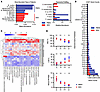 Figure 7
PBEN promotes microbiome recovery and improved blood profiles in critically ill children. (A) Most abundant taxa and relative abundance of microbes in PBEN versus AEN patients. (B) CAZy genes enriched in both diets (gene counts >250). (C) Polygalacturonase and β-glucosidase enrichment in PBEN versus AEN samples. (D) Neutrophil (NEU) and lymphocyte (LYM) percentages and NEU/LYM ratio at admission, feed initiation/termination, and discharge. Data represent mean and mean ± SEM. Statistical comparisons of microbial community composition were performed using PERMANOVA on Bray-Curtis distances. Complete blood count values were compared using unpaired Student’s t tests. *P < 0.05, **P < 0.01.
Although microbiome changes were the primary focus, we also analyzed CBC values in the pediatric cohort. These tests were ordered as part of routine care, and values were retrospectively extracted from medical records after study completion. There were no differences in WBC count, platelet count, or C-reactive protein at admission (Supplemental Figure 7C). There were also no differences in lymphocytes or neutrophils at admission or study diet initiation between groups. However, PBEN patients had a higher percentage of lymphocytes (PBEN: 32.23% ± 3.68%; AEN: 20.08% ± 2.48%; P = 0.0132) and a lower percentage of neutrophils (PBEN: 54.31% ± 4.39%; AEN: 67.92% ± 3.65%; P = 0.0270) among WBCs after the 2-week dietary intervention at feed termination (Figure 7D). Collectively, these results suggest that diet can influence microbiome composition and peripheral blood immune populations in critically ill patients.


-
Methods
Further information can be found in Supplemental Methods.
Sex as a biological variable. Male C57BL/6 mice were used, as prior studies demonstrate sex-specific differences in gut microbiome composition and immune responses. Both sexes were enrolled in the clinical trial; however, given the limited sample size, the study was not powered to assess sex-specific differences, and sex was not considered a variable.
Mice. Male C57BL/6 mice (8–10 weeks, 20–30 g; The Jackson Laboratory) were housed under standard 12-hour light/12-hour dark cycles. Mice were randomized to standard chow, PBEN, or AEN, with or without ABX (ABX: ampicillin 1 g/L, vancomycin 0.5 g/L, neomycin 1 g/L, and metronidazole 1 g/L, supplemented with Splenda [Heartland Food Products Group] 4 g/L) administered via drinking water or liquid diet. Liquid diets included the standard adult polymeric formula Vital (Abbott Laboratories; AEN) and Liquid Hope (Functional Formularies; PBEN), with nutritional composition detailed in Supplemental Table 4. To avoid social isolation effects on microbiome and immunity, mice were group-housed with cage-level feeding. PBEN was diluted 4:5 to match AEN caloric density. Each cage received 50 mL daily; complete cage-level consumption was verified. Individual mouse intake was not monitored, but body weights remained equivalent across groups (Supplemental Figure 8).
Human samples. Thirty-two critically ill children admitted to the PICU at UPMC Children’s Hospital of Pittsburgh were randomized 1:1 to receive pediatric PBEN (Nourish, Functional Formularies) or AEN (PediaSure, Abbott Laboratories). Three patients withdrew, and 28 competed the study (13 AEN, 15 PBEN) (Figure 8). Nourish was diluted 4:1 with sterile water to prevent feeding tube obstruction. Decisions regarding enteral feeding (timing, route, and rate) were made by the treating clinical team. Nutritional consultation ensured adequate intake with both formulas. Exclusion criteria included vasopressor use; allergy or intolerance to either formula, whey protein, or gluten; and medical conditions requiring specialized nutrition (e.g., ketogenic diet for epilepsy).
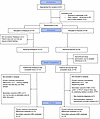 Figure 8
Modified CONSORT diagram. Flowchart of participants’ disposition throughout the study. ECMO, extracorporeal membrane oxygenation; PO, per os.
Fecal samples and rectal swabs were collected at feed initiation and days 5–7 and 14 from patients remaining on enteral nutrition using BD BBL Culture Swabs and frozen at –80°C for batch processing as previously described (69). Demographic data, length of stay, positive cultures, study diet utilization, and CBC results were extracted from the medical records. Antibiotic coverage was scored from 0 to 4 based on coverage of anaerobic Gram-positive/negative and aerobic/anaerobic coverage. The study diet goal rate × hours was calculated as (actual volume of study diet administered / goal volume) × 24 to determine the amount of study diet received normalized to the goal rate set by the treating physicians.
Patients were enrolled by convenience sampling February 2018 to September 2019 with a target enrollment of 40 patients. Prior laboratory studies and clinical trials indicated that this sample size would provide adequate power to detect differences in gut microbial abundance between Nourish (PBEN) and PediaSure (AEN). A prior pilot study of enteral nutrition–dependent children transitioning from AEN to PBEN demonstrated that significant microbiome changes could be detected using baseline and post-intervention sampling, a design replicated here for the primary outcome (20). Secondary outcomes (CBC values, clinical metrics) were monitored but not powered for formal analysis. For secondary CBC analyses, 2 patients were excluded as outliers (ROUT and Grubbs’s tests): one with newly diagnosed leukemia and one with marked stress response to extracorporeal membrane oxygenation. No study-related harms occurred.
16S rRNA gene sequencing and analysis. DNA extraction and 16S rRNA gene sequencing were performed at Microbiome Insights or Wright Labs. DNA was extracted using the QIAGEN PowerSoil kit. Amplicon PCR targeted the V3–V4 region of the 16S rRNA gene (515F/806R primers), followed by Illumina MiSeq sequencing (v2 chemistry, paired-end 250 bp reads). Sequences were processed using QIIME 2 (94). Amplicon sequence variants (ASVs) were generated with DADA2 (https://github.com/benjjneb/dada2) after trimming of 22 bp from read ends. Taxonomy was assigned using a naive Bayes classifier trained on the 515F/806R Greengenes database (v13.5) (95). A phylogenetic tree was generated using FastTree (96). ASV table, taxonomy, sequences, and trees were exported in hd5, tsv, fasta, and newick formats, respectively. Taxonomic assignments and metadata were combined with the ASV table into a single BIOM object using BIOM tools (https://biom-format.org/). This BIOM file along with the tree of ASVs was imported into R as a phyloseq object using the R phyloseq library (97).
Samples were rarefied for α- and β-diversity analyses using phyloseq and vegan R libraries (98). α-Diversity was measured using Chao1 and Shannon diversity metrics. Significance was tested using pairwise Wilcoxon’s tests. β-Diversity used weighted UniFrac and Bray-Curtis metrics, assessed with Adonis2 and PERMDISP algorithms in the vegan R library. Taxonomic abundances were compared using Analysis of Composition of Microbiomes 2 (ANCOM2) (99).
Metagenomic sequencing. DNA for metagenomic sequencing was extracted from stool and swab samples using a QIAGEN DNeasy 96 PowerSoil Pro QIAcube HT kit. Library preparation and sequencing were performed at Wright Labs on Illumina HiSeq (paired-end 150 bp reads). Reads were processed with cutadapt (primer removal) and Trimmomatic (quality trimming) and aligned against the human genome using Burrows-Wheeler Aligner (BWA); unmapped reads were returned (100–102). On average, 2.04 million reads per sample (standard deviation 1.9 million) were obtained. Taxonomic and functional profiles were generated using Kraken 2 with standard database (2022 build) (103). Kraken results were converted to a BIOM-format operational taxonomic unit (OTU) table using the kraken2biom script, and then the BIOM file was imported into phyloseq. Samples with fewer than 100,000 reads were removed from downstream analysis. α-Diversity was calculated using only the Shannon entropy metric, since, owing to the nature of shallow metagenomic data, OTU abundance tends to be overestimated. β-Diversity distances were calculated using only the Bray-Curtis metric, as UniFrac methods require a phylogenetic tree, which would require a universal marker between OTUs.
Metagenomic assembly. For each sample, an assembly of metagenomic reads were assembled with the MEGAHIT metagenomic assembler (104) using a range of k-mer sizes (21, 29, 39, 59, 79, 99, 119, and 141). Contigs from each assembly were assigned taxonomy using Kraken 2. To estimate the abundance of each contig, BWA was used to map the sample reads back to the contigs, and SAMtools was used to produce depth of reads per contig (105). Abundance per contig was normalized to library size and contig length in an equivalent sense to fragments per kilobase per million bases (FPKM) occasionally used in transcriptomic experiments.
CAZyme annotation. The CAZy gene–encoding contigs from the metadata were identified and classified based on the carbohydrate-active enzymes (CAZymes) database by the CAZymes Analysis Toolkit (CAT) (105). A combination of DIAMOND and HMMER predictions was used to annotate contigs encoding CAZymes (106, 107).
Putative plant cell wall polysaccharide-degrading enzymes belonging to different CAZy families were identified and classified based on sequence-based annotation. The CAZyme-encoding contigs were analyzed manually for different classes of CAZymes: glycoside hydrolases, glycoside transferases, carboxyesterases, carboxy-binding module family, and polysaccharide lyases. Subsequently, the CAZy results obtained were analyzed manually to determine the proportions of the different CAZymes present in the rumen metagenome data. Differential abundance testing of CAZymes was performed on reads per kilobase per million mapped reads (RPKM) values using multiple Wilcoxon’s tests. As many patients had only one sample, we selected one representative sample from each patient. Where multiple samples were present we chose samples that occurred multiple days after the diet started.
Complete blood counts. Peripheral blood was collected via cardiac puncture into EDTA tubes and analyzed using VetScan HM5 (Zoetis).
Flow cytometry. Mouse bone marrow was obtained by femur flushing. Blood and bone marrow cells were processed to remove red blood cells. Cell counts and viability were assessed using a Cellometer (Nexcelom). Surface staining was analyzed on a Cytek Aurora flow cytometer (Cytek Biosciences). After gating strategy for identification of populations (Supplemental Figure 5), data were analyzed using FlowJo.
Lipocalin and REG3G ELISA. Fecal samples (lipocalin) and ileal tissue (REG3G) were snap-frozen at –80°C. Samples were homogenized in PBS with protease/phosphatase inhibitors; supernatants were used for ELISA per the manufacturer’s instructions (Supplemental Key Resources Table). Assays were performed in duplicate; average values were used for data analysis.
Luminex. Colon tissue was snap-frozen in liquid nitrogen and stored at –80°C. Frozen samples were homogenized in RIPA buffer; protein concentrations were determined by bicinchoninic acid assay. Equal protein amounts were used for Luminex (Thermo Fisher Scientific) multiplex analysis on a MAGPIX instrument (Luminex Corporation).
RNA extraction and qPCR. RNA was isolated using QIAzol; concentration and integrity were assessed by NanoDrop (Thermo Fisher Scientific). Normalized RNA was transcribed to cDNA. qPCR was performed on QuantStudio 3 (Thermo Fisher Scientific) with SYBR Green Master Mix. Relative expression was calculated using ΔΔCt method normalized to GAPDH or β-actin.
Spleen culture. Spleens were aseptically collected, weighed, snap-frozen, and stored at –80°C. Thawed spleens were punctured and homogenized by vortexing with 1.4 mm ceramic beads in PBS (1 mL/g) for 10 minutes. Homogenates were serially diluted and plated on blood agar for 48 hours at 37°C. Colony counts were quantified per group.
LPS inflammatory challenge. Mice received ABX in PBEN or AEN for 2 weeks, followed by 1-week recovery on respective diets without ABX. Mice were then challenged intraperitoneally with LPS (E. coli O111:B4) at 10 mg/kg. Mortality was monitored twice daily for 1 week.
Vancomycin-resistant Enterococcus infection. An overnight culture of vancomycin-resistant Enterococcus faecalis strain 34-10-S (VRE; a gift from the Van Tyne Lab, University of Pittsburgh) was grown to saturation in BHI medium with 10 μg/mL vancomycin. Inocula of VRE were prepared for gavage by dilution to 5 × 10⁶ CFU/mL in sterile PBS. Mice were infected by gavage with 105 CFU of VRE after being exposed to 7 days of ampicillin (1 g/L). Bacterial counts were determined by plating of serial dilutions of stool samples on agar plates with vancomycin. VRE colonies were identified by their ability to grow on vancomycin-treated bile-esculin agar plates.
Klebsiella pneumoniae–colonized model of DSS-induced colitis. Mice were randomized to receive PBEN or AEN for 3 days. Half in each group then received vancomycin (2.5 g/L) and neomycin (5 g/L) for 72 hours. On day 7, all mice were colonized with Klebsiella pneumoniae 396 (KP) via gavage (1 × 10⁸ CFU in 0.1 mL per mouse). Colitis was induced on day 19 with 4% dextran sulfate sodium (DSS) in drinking water. After 3 days of DSS treatment (day 22), mice were euthanized for tissue collection. Stool and spleens were collected throughout and at sacrifice. K. pneumoniae burden was quantified by qPCR using KP-specific primers (108).
Statistics. α-Diversity (Chao1 and Shannon indices) was compared using Mann-Whitney U tests for between-group comparisons and Wilcoxon’s signed-rank test for paired temporal comparisons. β-Diversity was assessed using weighted UniFrac (analyzed with Adonis2 and PERMDISP). Differential taxonomic abundance was assessed using ANCOM2. Murine experiments used unpaired 2-tailed Student’s t tests unless otherwise indicated. Survival was analyzed using log-rank (Mantel-Cox) tests. For the clinical study, microbial community composition was compared using PERMANOVA on Bray-Curtis distances; CBC values used Student’s t tests. Outliers were identified using ROUT and Grubbs’s analyses. P < 0.05 was considered significant.
Study approval. Mouse experiments were approved by the University of Pittsburgh IACUC (22040920) and Institutional Biosafety Committee (IBC201900106). The human study was approved by the University of Pittsburgh IRB (19080289) and registered at ClinicalTrials.gov (NCT03414775). Written informed consent was obtained from parents/legal guardians prior to enrollment.
Data availability. This study did not generate new unique reagents. Sequencing data have been deposited and are publicly available under BioProject PRJNA1200130. An Excel file titled Supporting Data Values, containing all supporting data for the main article and supplemental material, including raw data underlying all graphs, bar plots, scatterplots, and reported means, is provided. Additional information required to reproduce or reanalyze the findings is available upon request.


